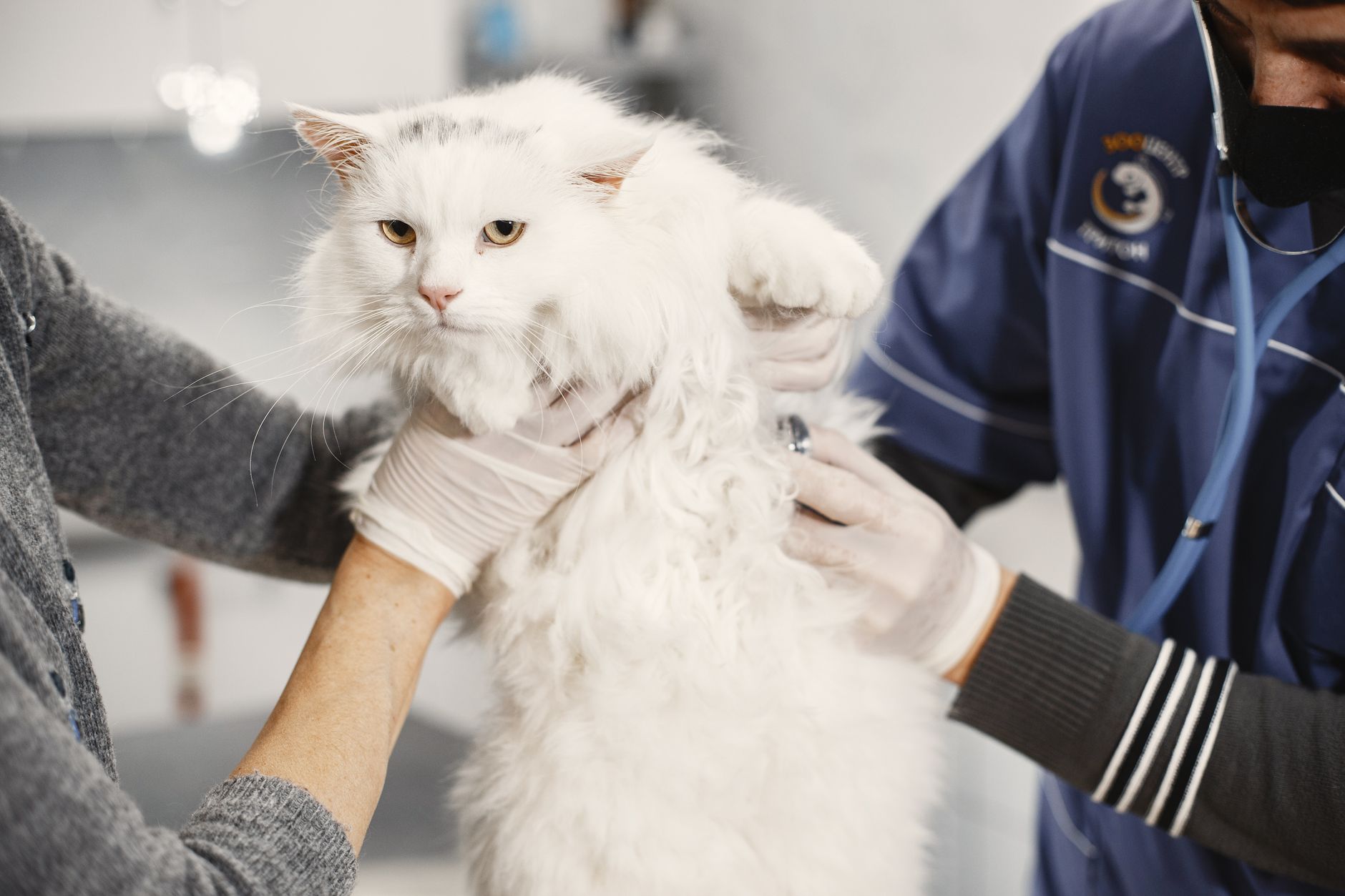
Cats are skilled at hiding discomfort, which means health problems can sometimes go unnoticed until they become more serious. Unlike dogs that may show obvious signs of illness, many cats continue normal routines even when something is wrong.
Knowing when to take a cat to the veterinarian helps owners address problems earlier, improve treatment outcomes, and prevent minor issues from developing into emergencies. The right timing depends on the severity of symptoms, changes in behavior, and the cat’s overall condition.
Routine Vet Visits Are Important Even for Healthy Cats
A veterinary visit is not only necessary when a cat appears sick. Regular checkups allow veterinarians to monitor weight, dental health, vaccinations, parasite prevention, and early signs of disease.
Adult cats typically benefit from routine wellness examinations, while kittens, senior cats, and cats with existing health conditions may require more frequent monitoring.
| Cat Life Stage | Why Veterinary Visits Matter |
|---|---|
| Kittens | Vaccinations, parasite control, growth monitoring, and early health assessments. |
| Adult cats | Preventive care, weight management, dental checks, and disease screening. |
| Senior cats | Monitoring age-related conditions such as kidney disease, arthritis, and other chronic problems. |
Signs Your Cat Should See a Veterinarian Soon
Some changes may not look urgent but can indicate underlying medical problems. Cats often compensate for illness, so unusual behavior should be taken seriously.
- Changes in appetite: Eating significantly less, refusing food, or sudden increases in hunger can indicate health issues.
- Unexplained weight changes: Rapid weight loss or gain may signal metabolic, digestive, or other medical concerns.
- Changes in drinking or urination: Increased thirst, frequent urination, or difficulty urinating can be associated with serious conditions.
- Behavior changes: Hiding more often, unusual aggression, reduced interaction, or excessive vocalization may indicate pain or stress.
- Grooming changes: A cat that stops grooming or develops a poor coat condition may be experiencing discomfort or illness.
- Vomiting or diarrhea: Occasional digestive upset can happen, but repeated or severe episodes require evaluation.
Emergency Situations That Require Immediate Veterinary Care
Certain symptoms should not wait for a regular appointment. Rapid medical attention can be critical in emergencies.
- Difficulty breathing or open-mouth breathing.
- Collapse, extreme weakness, or inability to stand.
- Severe bleeding or major injuries.
- Suspected poisoning or ingestion of harmful substances.
- Straining to urinate or inability to pass urine, especially in male cats.
- Seizures or sudden neurological changes.
- Severe pain, distress, or unusual crying.
Delaying care in these situations can increase the risk of complications.
Common Reasons Cat Owners Schedule Veterinary Visits
Veterinary care covers more than treating illness. Many visits involve preventive measures that help maintain long-term health.
- Vaccinations and booster schedules.
- Flea, tick, and intestinal parasite prevention.
- Spaying or neutering procedures.
- Dental examinations and oral health treatment.
- Nutrition and weight management advice.
- Behavior concerns such as inappropriate urination or aggression.
How to Decide Whether a Symptom Can Wait
Owners often struggle with deciding whether a symptom is serious enough for a veterinary visit. A useful approach is to consider three factors: severity, duration, and change from normal behavior.
- Severity: Symptoms that affect breathing, mobility, consciousness, or basic functions require faster attention.
- Duration: A problem that continues for more than a short period is more concerning than a brief, isolated change.
- Behavior change: A cat acting noticeably different from its normal personality may be showing an early warning sign.
Preparing for a Veterinary Appointment
Providing accurate information can help a veterinarian diagnose problems more effectively. Before the visit, consider recording:
- When symptoms first appeared.
- Changes in eating, drinking, urination, or bowel movements.
- Any changes in behavior or activity level.
- Recent diet changes, medications, or possible exposure to toxins.
- Videos of unusual behaviors when possible.
Cats can behave differently in a clinic environment, so observations from home are often valuable.
Why Early Veterinary Care Often Makes a Difference
Many feline health problems are easier to manage when detected early. Regular examinations and timely attention to warning signs can help identify diseases before they become more difficult or expensive to treat.
Taking a cat to the vet does not always mean something serious is wrong. Often, it is simply a way to confirm that a change is harmless or to address a problem before it affects the cat’s quality of life.
The Best Time to Call Is When Something Feels Different
There is no single checklist that applies to every cat. Age, medical history, lifestyle, and symptoms all influence when veterinary care is needed.
The most important guideline is to pay attention to changes from your cat’s normal habits. When appetite, behavior, movement, or daily routines change noticeably, contacting a veterinarian is often the safest choice.