Dogs are now found in homes, farms, workplaces, and communities around the world, but their history began far from modern human environments. The domestic dog is the result of a long evolutionary relationship between humans and ancient wolf populations that developed over thousands of years.
Understanding where dogs come from helps explain why they can perform so many different roles today, from companionship and assistance to hunting and protection. Although breeds vary greatly in appearance and behavior, they all share a common origin.
Dogs Did Not Begin as Household Animals
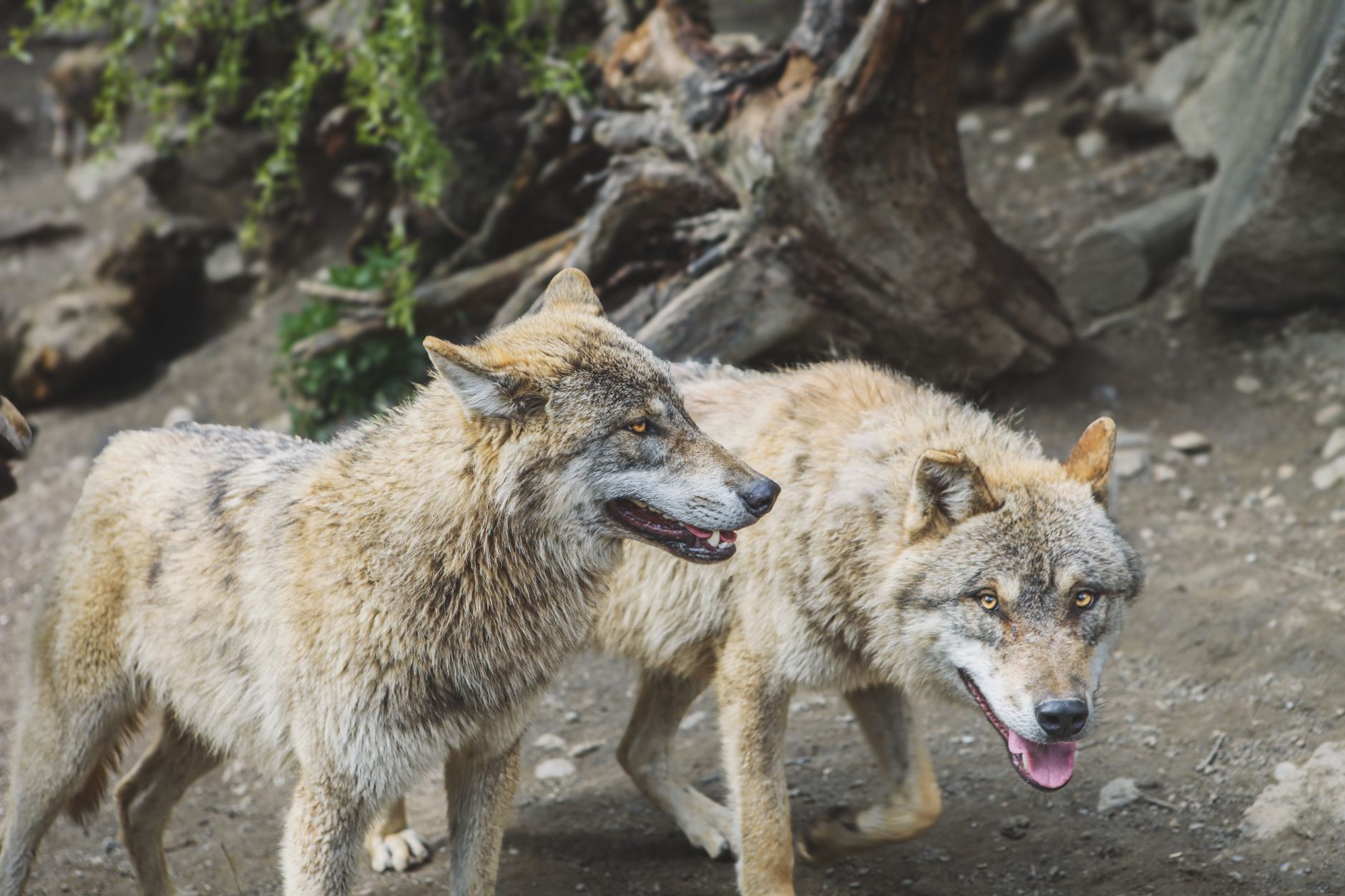
The ancestors of modern dogs were wild wolves. Scientists identify domestic dogs as a subspecies of the gray wolf, known scientifically as Canis lupus familiaris. However, today’s dogs are not simply domesticated versions of the wolves people see in the wild.
Domestication was a gradual process. Early wolves that showed greater tolerance toward humans were more likely to live near human settlements. Over many generations, these animals developed traits that made them increasingly suited for cooperation with people.
The Beginning of the Human-Dog Relationship
Thousands of years ago, humans and wolves began interacting around shared resources. Human camps provided food opportunities, while wolves could offer advantages such as improved awareness of danger and assistance during hunting.
The wolves that were less fearful and less aggressive had a better chance of remaining close to humans. As these traits were passed down, a population of increasingly human-friendly animals developed.
- More social wolves were easier for humans to tolerate and interact with.
- Humans benefited from animals with useful abilities such as alertness and tracking.
- The animals benefited from access to food and a safer environment.
Over time, this mutual relationship transformed wild animals into the first domesticated dogs.
How Early Dogs Changed Through Domestication
Domestication changed more than just a dog’s relationship with humans. Physical and behavioral differences gradually appeared compared with their wolf ancestors.
Domesticated dogs developed characteristics that supported life around people, including greater social behavior, improved ability to understand human communication, and differences in appearance such as coat variation and body shape.
These changes did not happen quickly. They occurred through many generations as humans and dogs continued influencing each other’s development.
Why There Are Hundreds of Different Dog Breeds Today
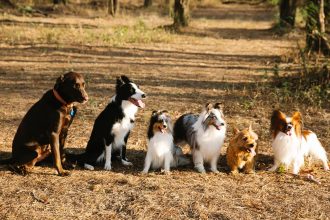
Modern dog breeds exist because humans intentionally selected certain traits for specific purposes. Once dogs became domesticated, people began breeding them for abilities that matched different needs.
| Type of Dog | Traits Developed Through Breeding |
|---|---|
| Herding dogs | High intelligence, responsiveness, and ability to control livestock movement. |
| Hunting dogs | Strong scent detection, endurance, and tracking skills. |
| Guarding dogs | Alertness, confidence, and protective instincts. |
| Companion dogs | Social behavior and adaptability to human environments. |
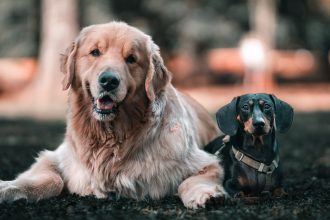
Selective breeding explains why a small companion breed and a large working breed can look completely different while still being part of the same species.
Do All Dogs Share the Same Ancestor?
Yes. Despite their differences in size, shape, and temperament, all domestic dogs trace their ancestry back to ancient wolf populations.
A modern dog breed’s appearance does not mean it has a separate origin. The differences between breeds are the result of human-guided selection over generations rather than separate evolutionary beginnings.
What Makes Dogs Different From Wolves Today?
Dogs and wolves still share genetic similarities, but thousands of years of domestication have created important differences. Dogs are generally more comfortable living with humans and have developed stronger abilities to communicate and cooperate with people.
Their behavior is also shaped by their environment. A dog’s genetics influence tendencies, but training, socialization, and daily experiences play major roles in how an individual dog behaves.
The Evolutionary Success of Dogs
The history of dogs is an example of how two species can influence each other’s development. Humans shaped dogs through breeding and care, while dogs provided companionship and practical support that helped them become one of the most widespread domesticated animals on Earth.
From ancient wolves living near human camps to today’s diverse range of breeds, the journey of the dog reflects thousands of years of adaptation and cooperation between humans and animals.