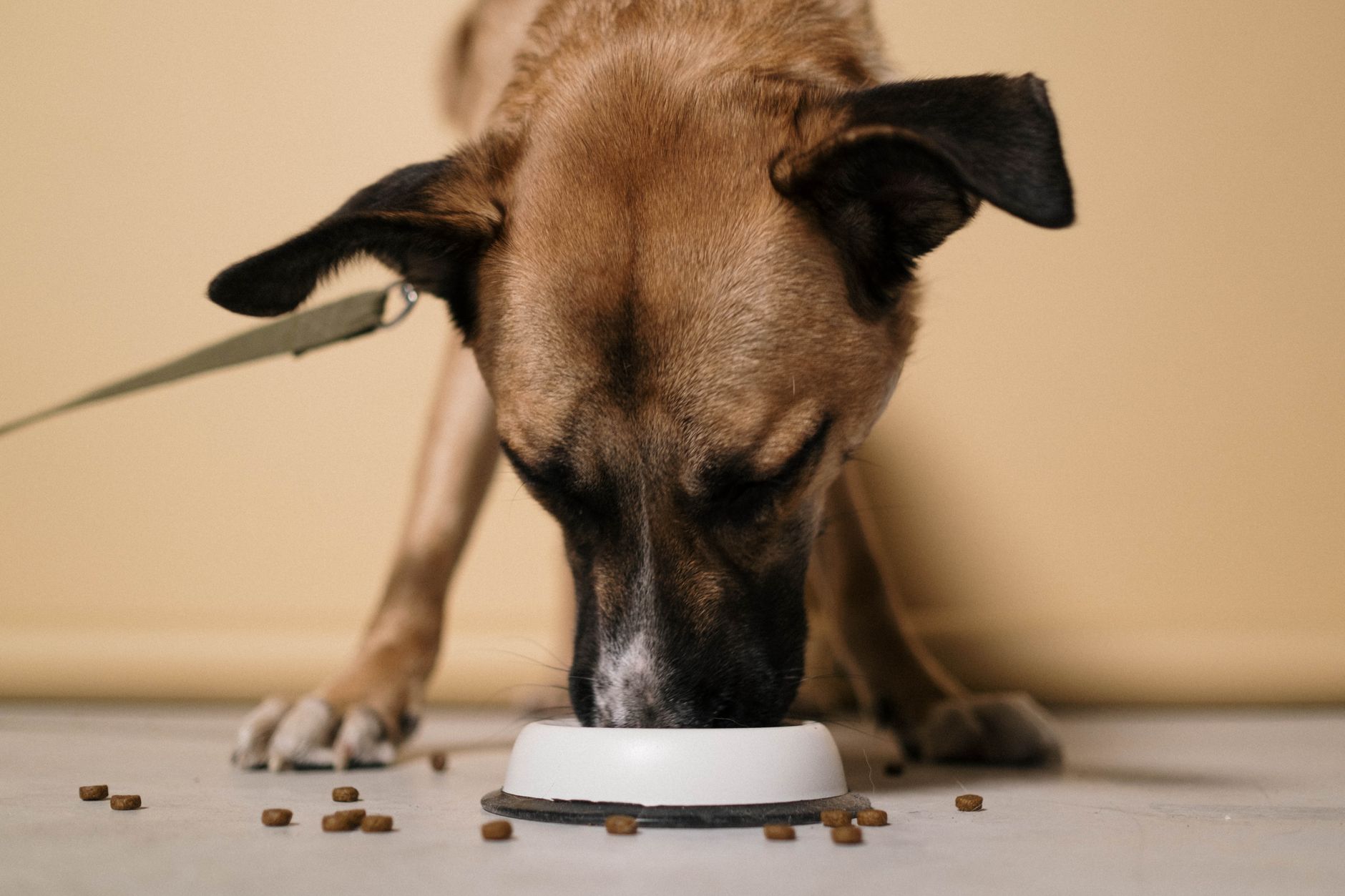
Caring for a dog involves much more than providing food and shelter. Dogs depend on consistent care, proper nutrition, regular health monitoring, mental stimulation, and a safe environment to maintain a good quality of life. Understanding these responsibilities helps owners create routines that support both physical health and emotional well-being.
Every dog has different needs based on age, breed, size, activity level, and health condition. A care routine that works for one dog may not be suitable for another, so responsible ownership requires attention to individual needs.
Start With the Basics: Food, Water, and a Safe Environment
Proper nutrition is one of the foundations of dog care. Dogs require a balanced diet that provides appropriate amounts of protein, fats, carbohydrates, vitamins, and minerals. The right food depends on factors such as life stage, body size, activity level, and any health conditions.
Fresh water should always be available because hydration affects many essential body functions. Dogs that do not drink enough water may face health problems, especially during hot weather or after physical activity.
A safe living environment is equally important. Owners should provide:
- A comfortable sleeping area away from hazards
- Protection from extreme heat and cold
- Safe toys suitable for the dog’s size and chewing habits
- Secure outdoor areas to prevent accidental escapes
Regular Health Care Helps Prevent Problems
Preventive care allows owners to detect health issues before they become more serious. Routine veterinary visits help monitor overall health, vaccinations, parasite prevention, and changes related to aging.
Important areas of dog health care include:
| Care Area | Why It Matters |
|---|---|
| Veterinary checkups | Help identify health concerns early and maintain preventive care. |
| Vaccinations | Reduce the risk of certain infectious diseases. |
| Dental care | Helps prevent dental disease and discomfort caused by poor oral health. |
| Parasite prevention | Protects dogs from issues caused by fleas, ticks, and other parasites. |
Grooming Is About Health, Not Just Appearance
Grooming helps maintain a dog’s comfort and can reveal early signs of health problems. The frequency of grooming depends on coat type, breed, and lifestyle.
Basic grooming routines may include:
- Brushing the coat to remove loose hair and prevent matting
- Bathing when necessary using products designed for dogs
- Trimming nails to maintain comfortable movement
- Checking ears for dirt, irritation, or unusual odor
- Maintaining dental hygiene
Regular handling during grooming also helps dogs become comfortable with physical checks, making future health examinations easier.
Exercise and Mental Stimulation Keep Dogs Balanced
Dogs need physical activity not only for fitness but also for behavioral health. A lack of exercise can contribute to boredom, excessive barking, destructive behavior, and restlessness.
The amount of exercise required depends on the individual dog. Active breeds generally need more physical activity, while older dogs or dogs with certain medical conditions may require gentler routines.
Mental stimulation is also important. Activities such as training exercises, puzzle toys, scent games, and interactive play can help keep a dog’s mind engaged.
Training Builds Communication and Trust
Training is not only about teaching commands. It creates communication between dogs and their owners and helps dogs understand expectations in daily life.
Effective training usually focuses on:
- Consistent rules and routines
- Positive reinforcement for desired behaviors
- Short, regular training sessions
- Patience when learning new skills
Socialization is another important part of development, especially for puppies. Positive experiences with people, environments, and other animals can help dogs become more confident.
Pay Attention to Changes in Behavior
Dogs often communicate health problems through changes in their normal habits. Owners who understand their dog’s typical behavior are more likely to notice warning signs early.
Changes worth monitoring include:
- Reduced appetite
- Sudden changes in energy levels
- Unusual aggression or withdrawal
- Changes in sleeping patterns
- Difficulty walking or moving normally
- Changes in drinking habits
Persistent or concerning changes should be discussed with a veterinarian rather than ignored.
Common Mistakes New Dog Owners Should Avoid
Many dog care problems happen because owners underestimate long-term responsibilities. Providing occasional attention is not enough; dogs require consistent care throughout their lives.
Common mistakes include:
- Feeding inappropriate human foods
- Skipping routine veterinary care
- Ignoring dental hygiene
- Allowing insufficient exercise
- Using inconsistent training methods
- Leaving dogs alone for extended periods without preparation
Responsible Dog Care Is a Long-Term Commitment
Caring for a dog requires attention to physical needs, emotional well-being, and daily routines. Good ownership is built through small actions performed consistently, from providing balanced meals to recognizing changes in behavior.
A well-cared-for dog is more likely to remain healthy, confident, and comfortable. By understanding the responsibilities involved and adapting care to each dog’s needs, owners can build a stronger relationship with their pets while supporting their overall quality of life.