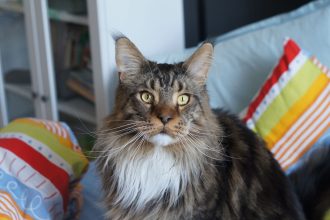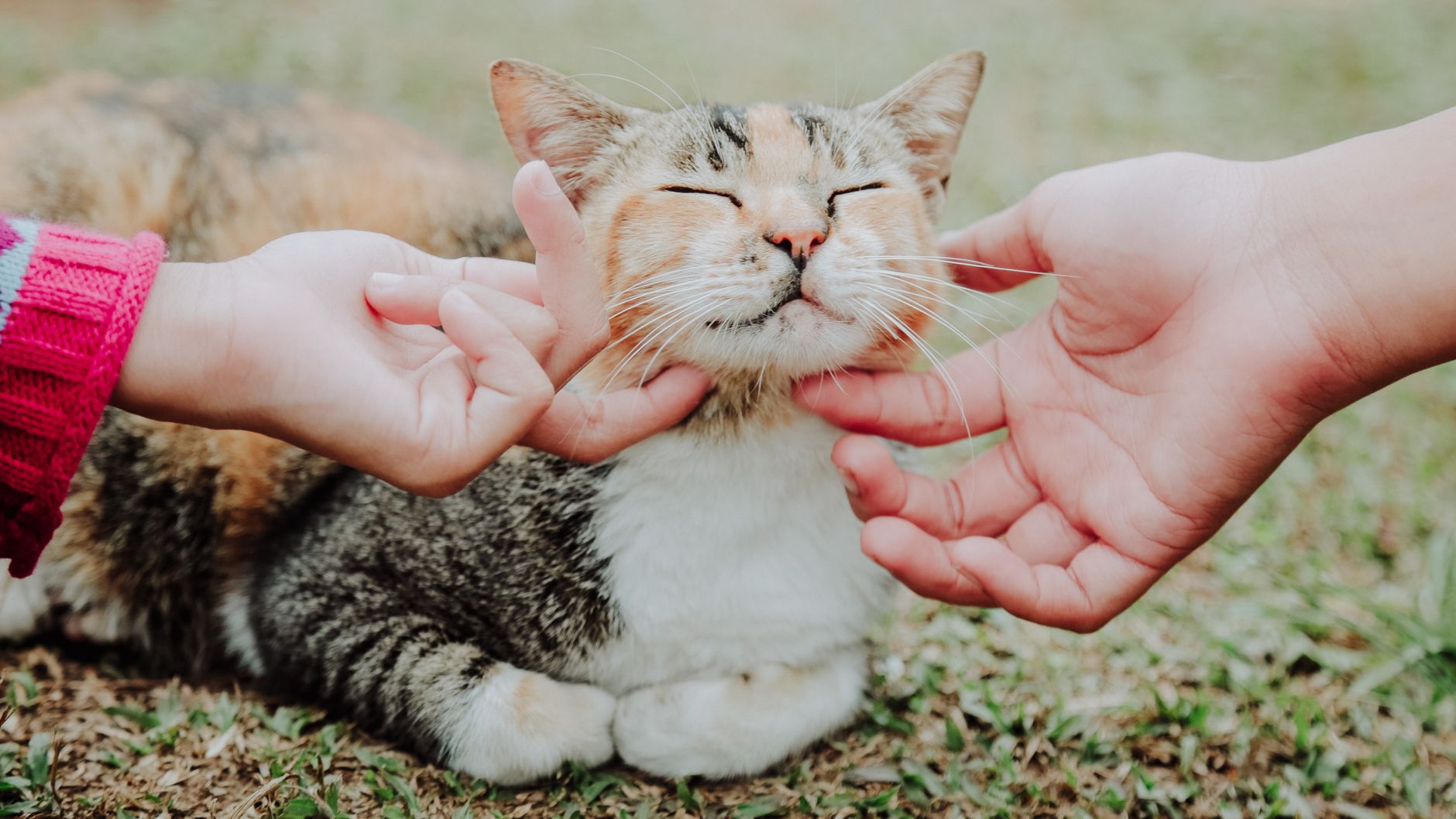
If you live with a cat, you’ve seen it countless times.
They brush against your legs.
They press their face into furniture corners.
They glide their body along walls, bags, and shoes.
From a pawrent’s point of view, it looks affectionate—but there’s much more happening.
The simple answer is this:
Cats like to rub against materials that hold scent well, feel comfortable on their skin, and allow them to mark territory safely.
Let’s break down which materials cats prefer, why they choose them, and what this behavior means.
The Short Pawrent Answer (Up Front)
Cats most often rub against:
-
Fabric (clothing, blankets, upholstery)
-
Wood (furniture, door frames)
-
Leather and faux leather
-
Cardboard
-
Human skin
-
Textured but stable surfaces
These materials support scent marking, comfort, and social bonding.
Why Cats Rub Against Things at All
Before materials, it helps to understand the behavior.
Cats rub to:
-
Deposit facial pheromones
-
Mark territory
-
Communicate familiarity
-
Self-soothe
-
Strengthen social bonds
Rubbing is communication, not random affection.
Facial Scent Glands: The Real Reason Behind Rubbing
Cats have scent glands located:
-
Around the cheeks
-
Under the chin
-
On the forehead
-
Along the body
When cats rub, they transfer pheromones that signal:
-
Safety
-
Ownership
-
Comfort
Materials that hold scent well become favorites.
Fabric: A Top-Tier Favorite
Why Cats Love Fabric
Fabric:
-
Absorbs scent easily
-
Feels soft and safe
-
Retains familiar smells
Common fabric targets include:
-
Clothing
-
Blankets
-
Couch arms
-
Bedding
From a pawrent’s POV, this is why your cat chooses your laundry over expensive furniture.
Clothing: Why Your Cat Rubs on You (and Your Stuff)
Cats love rubbing against:
-
Pants
-
Socks
-
Sweaters
-
Jackets
Because:
-
Your scent is strongest there
-
The material holds pheromones
-
Movement encourages interaction
It’s both bonding and marking.
Wood Surfaces: Door Frames, Tables, and Furniture
Cats often rub against:
-
Door frames
-
Table legs
-
Cabinets
Wood is appealing because:
-
It’s solid and stable
-
It retains scent without absorbing too deeply
-
Corners allow facial gland contact
This makes wood ideal for territorial marking.
Leather and Faux Leather
Leather is another favorite.
Cats enjoy it because:
-
It’s smooth but textured
-
It retains scent oils
-
It doesn’t shift or collapse
This explains face rubbing on:
-
Leather couches
-
Bags
-
Shoes
Cardboard: The Unexpected Favorite
Cats adore cardboard for many reasons.
When rubbing, cardboard:
-
Holds scent strongly
-
Offers resistance
-
Provides texture
Boxes and scratchers often become multi-purpose scent stations.
Plastic Bags and Synthetic Materials
Some cats rub against:
-
Plastic bags
-
Backpacks
-
Raincoats
This can be due to:
-
Unique smells
-
Crinkly sound associations
-
Static texture
Always supervise—some plastics pose safety risks.
Human Skin: The Ultimate Favorite
From a pawrent’s perspective, this one feels personal—and it is.
Cats rub against humans because:
-
We’re social partners
-
Our scent is comforting
-
Skin warmth feels safe
Face rubs and leg weaving are signs of trust and attachment.
Why Cats Prefer Stable Objects Over Soft, Moving Ones
Cats tend to avoid rubbing against:
-
Unstable items
-
Objects that wobble
-
Noisy or shifting surfaces
Stability allows:
-
Full body contact
-
Controlled marking
-
Confidence
That’s why walls and furniture edges are popular.
Texture Matters More Than Appearance
Cats don’t choose materials based on looks.
They respond to:
-
Surface texture
-
Scent retention
-
Resistance
A scratched table leg beats a brand-new cat tree—every time.
Why Cats Rub Against Corners and Edges
Edges allow:
-
Facial gland contact
-
Precise scent placement
-
Controlled pressure
Corners maximize marking efficiency.
Emotional Rubbing vs Territorial Rubbing
Not all rubbing means the same thing.
-
On people: bonding and affection
-
On objects: territory marking
-
On new items: scent familiarization
Context matters.
Why Cats Rub Against New Objects
When you bring something new home:
-
Your cat rubs immediately
This behavior:
-
Neutralizes unfamiliar smells
-
Claims the item as safe
-
Reduces anxiety
It’s not curiosity—it’s security.
Rubbing vs Scratching: Different Purposes
Rubbing:
-
Transfers scent
-
Communicates familiarity
Scratching:
-
Marks visually
-
Maintains claws
-
Releases stress
Cats often use both on the same object.
Should You Encourage Rubbing?
Yes.
Rubbing:
-
Is healthy communication
-
Indicates comfort
-
Reduces stress
Discourage only if the object is unsafe.
When Rubbing Becomes Excessive
Excessive rubbing may indicate:
-
Stress
-
Anxiety
-
Skin irritation
-
Allergies
If behavior changes suddenly, a vet check is wise.
How Pawrents Can Use This Knowledge
You can:
-
Place scent-friendly items near resting areas
-
Introduce new furniture gradually
-
Use pheromone diffusers if stress is present
-
Provide stable, textured surfaces for rubbing
Understanding reduces frustration.
Why Cats Don’t Rub Against Everything
Cats avoid materials that:
-
Don’t hold scent
-
Feel sharp or cold
-
Move unpredictably
Preference is about comfort and control.
Pawrent Perspective: What Rubbing Really Means
When your cat rubs against something, they’re saying:
“This is safe. This is mine. I belong here.”
It’s not random—it’s reassurance.
Final Pawrent Perspective: What Materials Do Cats Like to Rub Against?
From a pawrent’s point of view:
Cats prefer:
-
Fabrics
-
Wood
-
Leather
-
Cardboard
-
Humans
They choose materials that support scent marking, comfort, and connection.
So when your cat rubs against you or your couch, they’re not being annoying—they’re being secure.
And that’s a good thing.