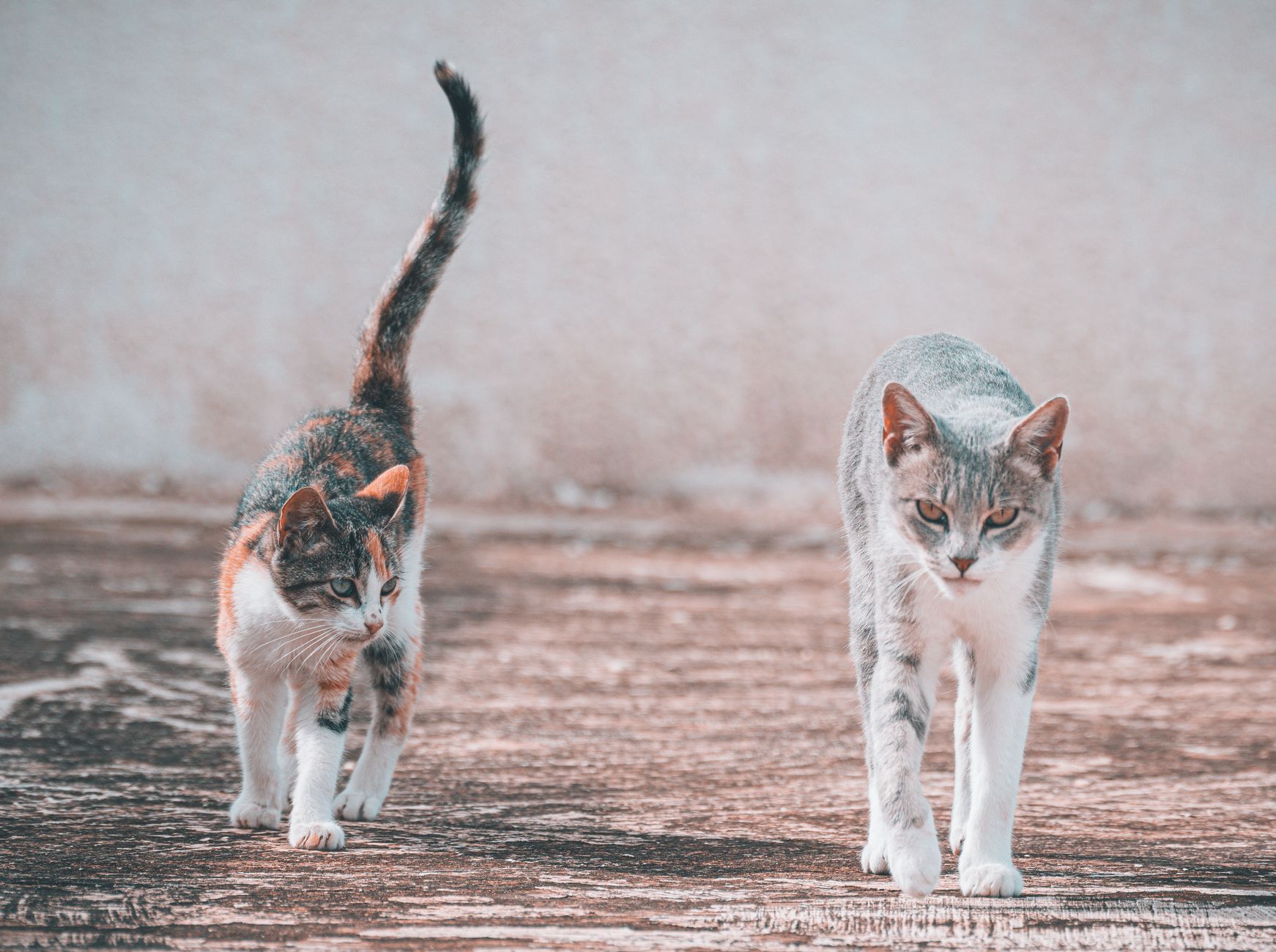
Cats shake their tails to communicate heightened emotion such as excitement, anticipation, irritation, or focused intent. Tail shaking is a normal part of feline body language and reflects emotional arousal rather than happiness alone.
What Tail Shaking Means in Cat Body Language
A cat’s tail acts as an emotional barometer. Unlike dogs, cats do not shake or wag their tails to signal friendliness.
Tail shaking indicates that a cat’s emotional state is elevated and shifting.
Tail Shaking vs Tail Swishing
Tail shaking and tail swishing are related but distinct behaviors.
Shaking tends to be faster, tighter, and more vertical, while swishing is broader and side-to-side.
Why Cats Shake Their Tails
1. Excitement or Anticipation
Cats often shake their tails when they are about to receive food, attention, or play.
This is commonly seen when a cat greets a person or waits for a meal.
2. Focused Hunting or Play Mode
During stalking or intense play, the tail may tremble or quiver.
This reflects high concentration and readiness to pounce.
3. Mild Irritation or Frustration
Short, sharp tail shaking can signal irritation, especially during unwanted handling.
This behavior often precedes stronger warnings such as tail lashing.
4. Emotional Overstimulation
When sensory input becomes overwhelming, tail shaking may appear alongside skin rippling or ear rotation.
Tail Quivering While Standing Upright
A vertical tail with rapid shaking is often a friendly greeting signal.
This behavior commonly occurs when a cat is happy to see a trusted person.
Does Tail Shaking Mean Spraying?
Not always. While tail quivering can occur during urine marking, context matters.
If tail shaking happens near walls or furniture with backing-up posture, spraying should be considered.
When Tail Shaking Signals You Should Stop Interacting
Rapid, stiff tail shaking combined with flattened ears or tense posture means the cat needs space.
Stopping interaction at this stage prevents bites or scratches.
Can Tail Shaking Indicate Pain or Illness?
Occasionally, unusual or persistent tail shaking may indicate discomfort.
Veterinary evaluation is recommended if shaking occurs at rest or alongside appetite loss, hiding, or aggression.
Indoor vs Outdoor Cats
Outdoor cats shake their tails more frequently due to constant stimulation.
Indoor cats show this behavior most often during play, feeding routines, or social interactions.
How to Respond to a Shaking Tail
Observe the context before responding.
Positive, loose body language allows continued interaction. Tight, rapid movement signals a need for space.
Long-Term Behavioral Outlook
Tail shaking is a normal and valuable communication signal.
Learning to interpret it improves safety and strengthens human-cat relationships.
Veterinary Disclaimer and Next Steps
This article is for educational purposes only and does not replace professional veterinary advice.
If tail behavior changes suddenly or is paired with signs of pain, schedule a veterinary exam.