Many cat owners are familiar with the rhythmic motion of a cat pressing its paws against a blanket, pillow, or even a person’s lap. This behavior, often called “kneading” or “making biscuits,” is one of the most recognizable habits in domestic cats.
Although kneading can look like a simple movement, it is connected to several feline instincts and forms of communication. Cats may knead when they feel comfortable, when they are seeking security, or when they are expressing behaviors inherited from kittenhood.
Kneading Begins During Kittenhood
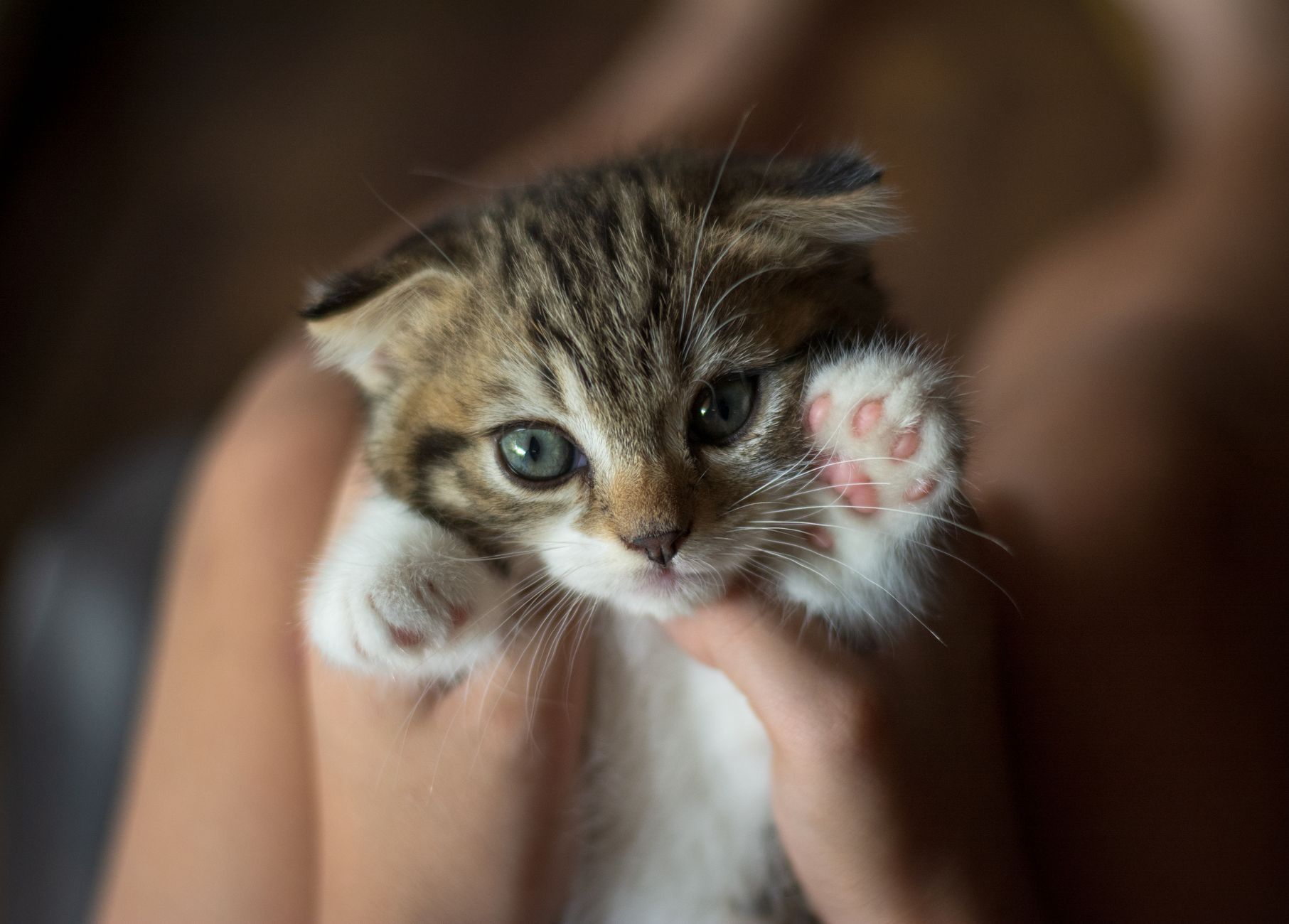
One of the earliest reasons cats knead is related to nursing. Newborn kittens press their paws against their mother’s abdomen while feeding. This movement helps stimulate milk flow and becomes associated with warmth, safety, and nourishment.
As cats grow older, the physical purpose of kneading disappears, but the behavior can remain as a comforting habit. This is why many adult cats knead when they are relaxed or preparing to rest.
What Does It Mean When a Cat Kneads?
Kneading does not have only one meaning. Cats use this behavior in different situations, and the surrounding context usually provides the best clue.
| Possible Reason | Explanation |
|---|---|
| Feeling comfortable | Kneading often happens when cats are relaxed and content, such as when resting with a trusted person. |
| Self-soothing behavior | The repetitive motion may help cats feel secure because it is connected to early experiences with their mother. |
| Marking territory | Cats have scent glands in their paw pads and may leave their scent while kneading. |
| Nesting instinct | The movement may be related to preparing a comfortable sleeping area, similar to behaviors used by wild ancestors. |
| Stretching | Kneading can also involve extending muscles in the paws, shoulders, and legs. |
Why Cats Knead on People
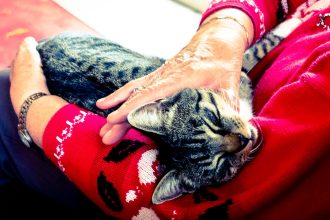
When a cat chooses your lap, clothing, or body as a kneading surface, it is usually a sign of trust. Cats are vulnerable when they relax, so choosing physical contact often indicates that they feel safe around you.
Some cats may also knead because your scent and warmth remind them of a secure environment. The behavior is not necessarily a request for food or attention, but it often occurs during moments of bonding.
The Connection Between Kneading and Territory
Cats communicate through scent as well as body language. Their paw pads contain scent glands that release chemical signals. When a cat kneads an object or person, it may leave behind its scent as a way of identifying familiar territory.
This behavior is usually subtle and does not mean the cat is being possessive in a negative way. It is simply part of how cats interact with their surroundings.
Why Some Cats Knead More Than Others
The frequency of kneading varies between individual cats. Some cats knead every day, while others rarely do it. Differences can depend on personality, early experiences, and comfort levels.
- Social cats that enjoy close interaction may knead frequently.
- Cats that are more independent may show the behavior less often.
- Cats separated from their mother early may display more repetitive comfort behaviors, although this is not true for every cat.
- Relaxed cats are more likely to knead when they feel secure.
Is Cat Kneading a Sign of Happiness?
In many cases, kneading is associated with positive emotions. A cat that kneads while purring, relaxing its body, or settling down is usually showing comfort and satisfaction.
However, kneading alone does not provide a complete picture of a cat’s emotional state. Owners should consider other signals, including body posture, facial expression, vocalization, and overall behavior.
When Kneading Becomes Uncomfortable for Owners
Although kneading is natural, some cats extend their claws during the movement. This can become painful, especially when the cat kneads on bare skin.
Instead of stopping the behavior completely, owners can make it more comfortable by:
- Placing a blanket between the cat’s paws and skin.
- Keeping claws trimmed safely if needed.
- Redirecting the cat gently rather than pushing it away.
- Providing soft surfaces where the cat can knead comfortably.
Should You Stop a Cat From Kneading?
In most cases, there is no reason to stop a cat from kneading. It is a normal feline behavior that can indicate comfort, attachment, and relaxation.
The behavior only becomes a concern if it appears alongside signs of stress, compulsive behavior, or other unusual changes. A sudden increase in repetitive behaviors may sometimes indicate that a cat is seeking comfort because of environmental changes or anxiety.
The Simple Explanation Behind “Making Biscuits”
Cats knead because the behavior connects several important parts of their biology: kitten instincts, communication, comfort, and territory marking. What looks like a simple paw movement is actually a behavior shaped by both early development and feline evolution.
For most cats, kneading is a normal expression of feeling safe. When a cat chooses to knead near you, it is often a small but meaningful sign that it feels comfortable in its environment.