One day your cat is sprinting through the house at midnight—and the next, they hesitate before jumping onto the couch.
From a pawrent’s point of view, the shift into “senior cat” life isn’t marked by a birthday. It shows up in subtle changes, quieter routines, and small moments that make you pause and wonder:
“Are you getting old?”
The short, honest answer is this:
Most cats are considered seniors around 7 years old, but how “senior” they actually feel depends on health, lifestyle, and genetics.
This article explains when a cat is considered a senior, why that age exists, how aging really works in cats, and what pawrents can expect—without turning aging into something scary.
The Quick Pawrent Answer (Before We Go Deeper)
Most veterinarians classify cats as:
-
Adult: 1–6 years
-
Senior: 7–10 years
-
Geriatric: 11+ years
So yes—at 7 years old, your cat officially enters the senior stage, even if they still act young.
Why Cats Are Considered Seniors So “Early”
To pawrents, 7 years doesn’t sound old. But cats age faster than humans—especially in the early years.
Rough human-age comparisons:
-
1 cat year ≈ 15 human years
-
2 cat years ≈ 24 human years
-
Each year after ≈ 4 human years
By age 7, your cat is roughly equivalent to a 44–48-year-old human.
Not elderly—but definitely middle-aged.
Veterinary Life Stages Explained Simply
Veterinarians group cats into life stages to guide preventive care, not to label them as “old.”
Kitten: 0–1 year
-
Rapid growth
-
Immune development
Adult: 1–6 years
-
Physical peak
-
Stable health
Senior: 7–10 years
-
Gradual aging changes
-
Increased disease risk
Geriatric: 11+ years
-
Slower metabolism
-
Higher medical needs
Senior doesn’t mean fragile—it means monitor more closely.
What Changes Around 7 Years (Pawrent POV)
Many pawrents don’t notice dramatic changes at 7—but subtle ones begin.
You might see:
-
Slightly longer naps
-
Hesitation before big jumps
-
Less tolerance for chaos
-
More preference for routine
These are signs of maturity, not decline.
When a Cat Feels Senior vs When They Are Senior
From experience, there’s a difference between:
-
Being classified as senior
-
Acting like a senior
Some cats at 10:
-
Still zoom
-
Still climb
-
Still act young
Others at 7:
-
Slow down noticeably
Health and genetics matter more than the number.
Indoor Cats vs Outdoor Cats: Aging Differences
Indoor cats:
-
Often age more slowly
-
Experience fewer injuries
-
Live longer overall
Outdoor cats:
-
Age faster due to stress
-
Face more illness and trauma
An indoor 10-year-old may feel younger than an outdoor 7-year-old.
Breed Differences in Aging
Some breeds age differently.
Longer-Lived Breeds
-
Siamese
-
Burmese
-
Ragdolls
Often remain playful well into their teens.
Larger or Stockier Breeds
-
Maine Coons
-
Bengals
May show joint changes earlier due to size and activity.
Breed influences how aging shows, not when it starts.
Behavioral Changes That Signal Senior Status
As cats enter senior years, pawrents may notice:
-
Less interest in rough play
-
Increased affection or clinginess
-
More vocalizing at night
-
Sensitivity to changes
These shifts are common and manageable.
Physical Signs of a Senior Cat
Common physical signs include:
-
Slight muscle loss
-
Weight changes (gain or loss)
-
Reduced flexibility
-
Changes in coat quality
None of these mean something is “wrong”—they mean aging is happening.
Health Changes That Become More Common After 7
Senior cats are more prone to:
-
Dental disease
-
Kidney disease
-
Hyperthyroidism
-
Arthritis
This is why vets recommend twice-yearly checkups after age 7.
Why Early Senior Care Matters
The senior stage is when:
-
Preventive care has the biggest impact
-
Early detection saves lives
-
Small changes make huge differences
Catching issues early keeps senior cats comfortable and active longer.
Nutrition Changes for Senior Cats
Around 7–10 years, many cats benefit from:
-
Higher-quality protein
-
Easier-to-digest formulas
-
Joint-support nutrients
Switching food isn’t automatic—it’s based on individual needs.
Mobility and Joint Health
Many pawrents miss early arthritis signs because cats hide pain well.
Subtle clues:
-
Sleeping more
-
Avoiding high jumps
-
Stiffness after rest
Supporting joints early improves long-term comfort.
Mental Aging vs Physical Aging
Cognitive changes usually happen later than physical ones.
Signs may include:
-
Disorientation
-
Altered sleep cycles
-
Increased vocalization
Most cats don’t show these signs until very late in life, if at all.
Emotional Shifts in Senior Cats
Many pawrents notice:
-
Increased attachment
-
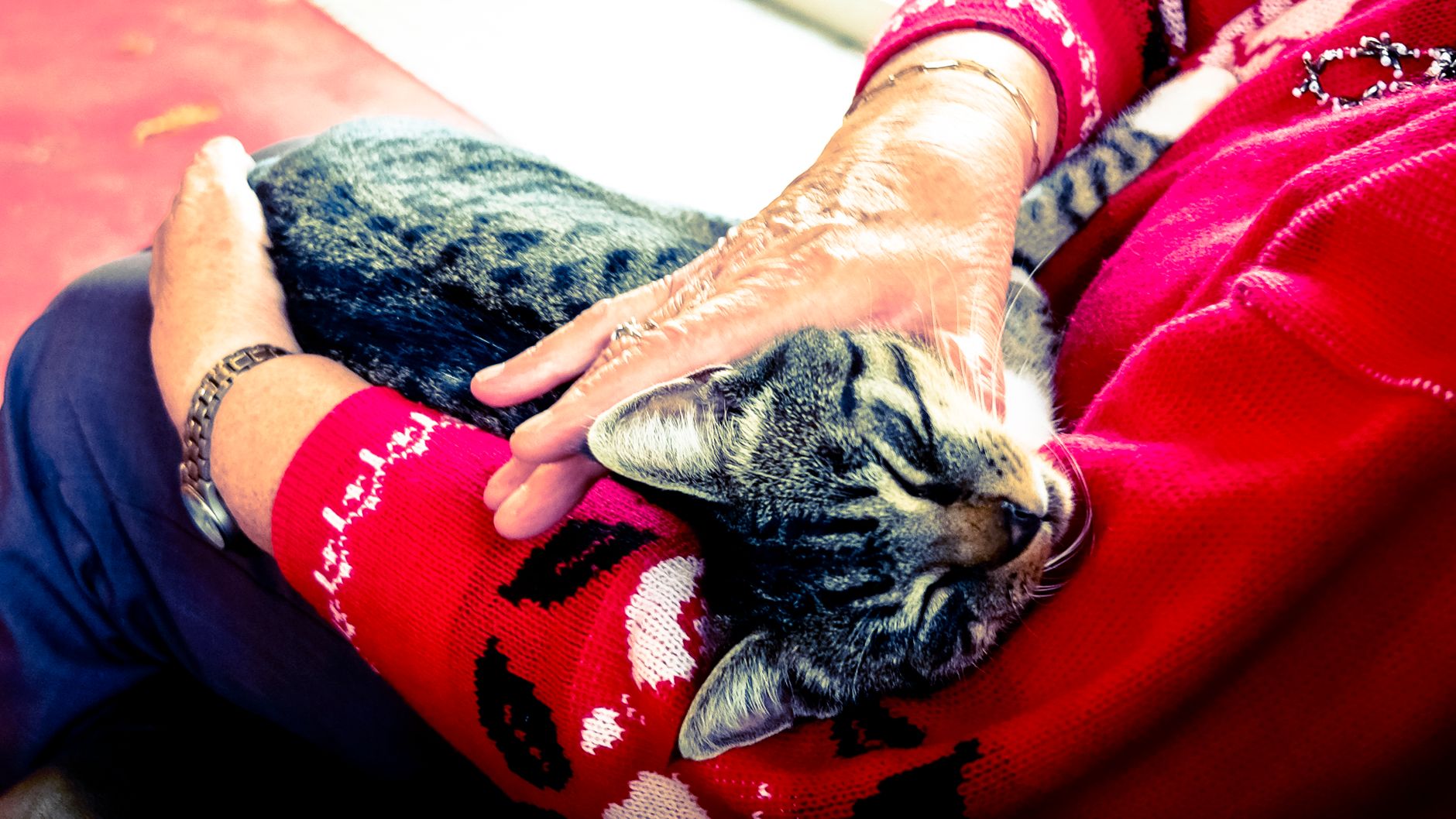
Desire for quiet companionship
-
More predictable routines
Senior cats often become emotionally deeper and more connected.
Why “Senior” Is Not a Bad Word
Senior does not mean:
-
Frail
-
Sick
-
Near the end
It means:
-
A new care phase
-
More awareness
-
More appreciation
Many cats live well into their late teens or twenties.
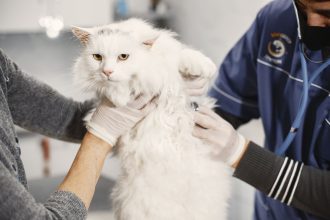
What Changes at the Vet When Your Cat Is a Senior
Veterinary care often includes:
-
Bloodwork monitoring
-
Blood pressure checks
-
Dental assessments
These aren’t signs of trouble—they’re proactive tools.
Pawrent Fears About the Senior Label
Many pawrents worry:
“Does this mean time is running out?”
In reality:
-
Many cats live 10+ years after becoming “seniors”
-
Senior care improves lifespan and quality of life
A 7-year-old cat is often just entering middle age.
Creating a Senior-Friendly Home
Simple adjustments include:
-
Lower litter box sides
-
Extra soft bedding
-
Easy-access perches
These changes support comfort without limiting independence.
When a Cat Is Considered Geriatric
Cats typically enter the geriatric stage at:
-
11–12 years old
This stage requires:
-
Closer monitoring
-
Adjusted nutrition
-
Environmental support
But many geriatric cats still enjoy full, happy lives.
Pawrent Perspective: The Moment You Realize Your Cat Is a Senior
For many pawrents, it’s not the age—it’s the moment:
-
They pause before jumping
-
They choose naps over play
-
They seek your presence more
That’s when you realize:
“You’re not old… but you’re not young anymore.”
Final Pawrent Perspective: When Is a Cat Considered a Senior?
From a pawrent’s point of view:
-
Cats are considered seniors around 7 years old
-
This marks a shift in care, not a decline
-
Many cats thrive for many years after this stage
-
Aging is gradual, subtle, and manageable
Senior years aren’t about loss.
They’re about slowing down together.