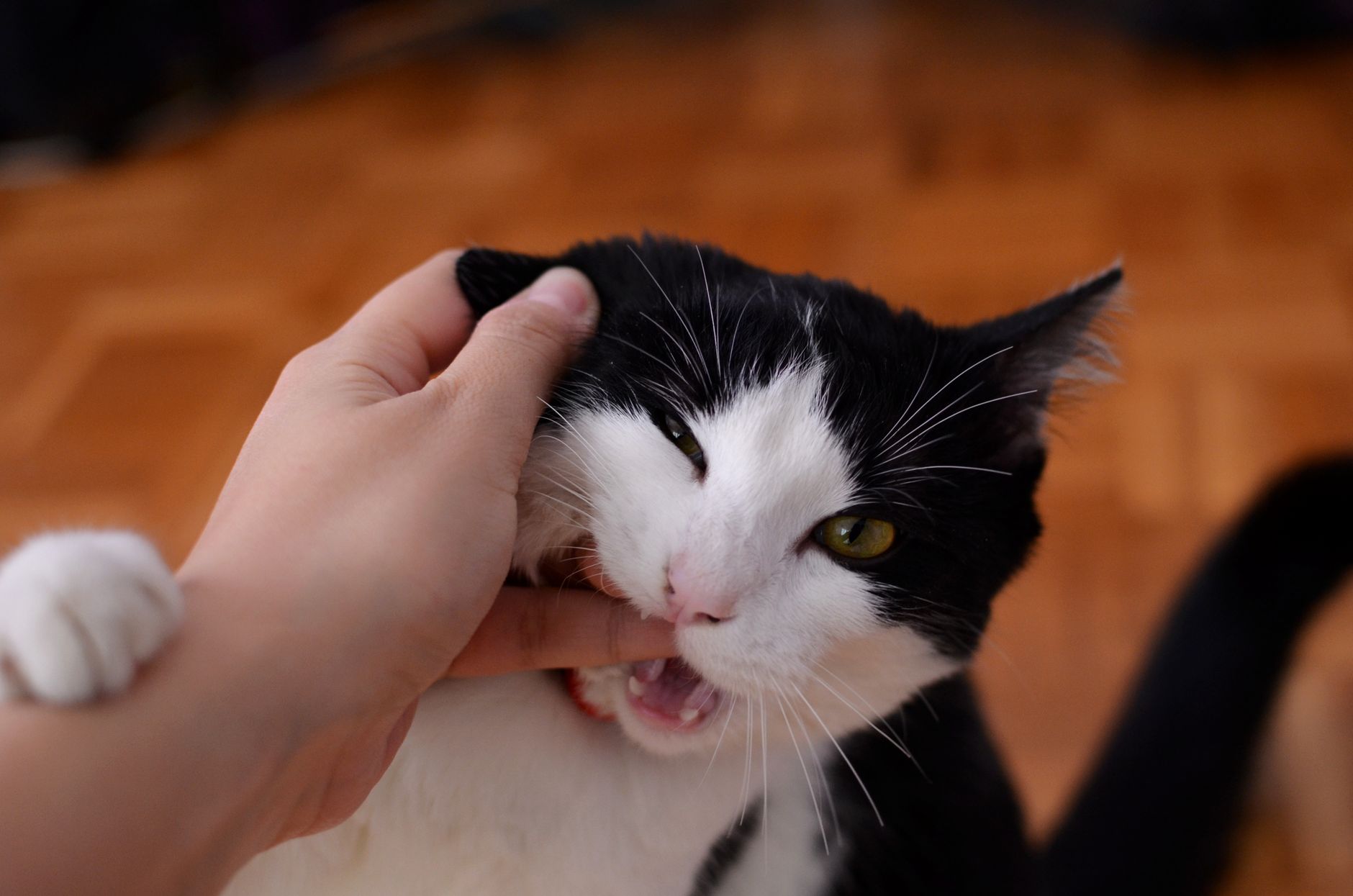
Your cat bites you and then licks you because it is experiencing a combination of affection, overstimulation, and instinctual grooming behavior. This behavior—often called a love bite—is a normal form of feline communication and usually does not indicate aggression.
Understanding Cat Communication Patterns
Cats communicate primarily through behavior rather than vocal language. Biting and licking are deliberate signals that convey emotional state, comfort level, and social bonding.
The Meaning Behind Licking in Cats
Licking is a social grooming behavior that originates in kittenhood and continues into adulthood.
Reasons Cats Lick Humans
- Bonding: Your cat considers you part of its social group.
- Affection: Licking mimics maternal grooming behavior.
- Scent Marking: Saliva transfers familiar scent for comfort.
Why Cats Bite After Licking
Biting after licking happens when stimulation exceeds your cat’s tolerance threshold. The nervous system shifts from pleasure to irritation within seconds.
Primary Causes of Lick-Then-Bite Behavior
- Overstimulation: Repetitive touch overwhelms nerve endings.
- Play Instinct Activation: Grooming transitions into hunting behavior.
- Boundary Communication: The bite signals “stop.”
Love Bites vs Aggressive Bites
Not all bites indicate aggression. Understanding the difference prevents unnecessary concern.
Key Differences
- Love Bite: Gentle pressure, no broken skin, relaxed posture.
- Aggressive Bite: Hard pressure, skin puncture, tense body language.
Overstimulation During Petting
Petting aggression is the most common reason cats bite after licking. Most cats tolerate petting for only a limited duration.
Common Overstimulation Zones
- Lower back
- Belly
- Base of the tail
Grooming as a Social Bonding Behavior
Allogrooming strengthens social bonds. When your cat grooms you, it treats you like a trusted companion.
Maternal Instincts and Kitten Behavior
Some adult cats retain maternal grooming patterns. Gentle biting often mimics how mother cats guide kittens.
Play Behavior That Turns Into Biting
Cats are natural predators. Grooming can quickly escalate into play-driven biting if hands are mistaken for toys.
Why Hands Trigger Play Aggression
- Movement resembles prey
- Scent familiarity increases comfort
- Lack of toy redirection
Redirected Energy and Mild Aggression
Excess energy often manifests as biting. Licking acts as a calming behavior until energy overflows.
Sensory Thresholds in Cats
Cats have highly sensitive nerve endings. Repetitive stimulation overloads their sensory system faster than humans expect.
How Cat Body Language Predicts Biting
Body language provides clear warnings before a bite.
Warning Signals to Watch For
- Tail flicking
- Ears turning sideways
- Skin rippling
- Sudden stillness
Is This a Sign of Affection?
Yes, in most cases. Licking indicates affection, while the bite signals emotional overflow—not rejection.
When This Behavior Becomes a Problem
Intervention is needed when biting escalates.
Problematic Signs
- Bites break skin
- Aggression increases
- Behavior becomes unpredictable
How to Respond When Your Cat Bites Then Licks
Your response determines whether the behavior continues.
Correct Response Steps
- Freeze your hand
- Slowly withdraw
- Redirect attention to a toy
What NOT to Do After a Cat Bite
Punishment worsens aggression.
Actions to Avoid
- Yelling
- Hitting or pushing
- Sudden jerking away
Training Techniques to Reduce Biting
Consistent training reduces biting within 2–4 weeks.
Effective Techniques
- Use toys instead of hands
- Limit petting duration
- Reward calm behavior
Environmental Enrichment to Prevent Overstimulation
Mental and physical stimulation lowers bite frequency.
Recommended Enrichment
- 15–30 minutes of daily play
- Scratching posts
- Puzzle feeders
When to Consult a Veterinarian or Behaviorist
Sudden behavior changes may indicate medical issues.
Seek Professional Help If
- Biting begins abruptly
- Your cat shows pain symptoms
- Touch intolerance increases
Final Takeaways
Your cat bites you and then licks you because it trusts you, feels affectionate, and becomes overstimulated. This behavior is normal feline communication and can be managed with awareness and proper response.