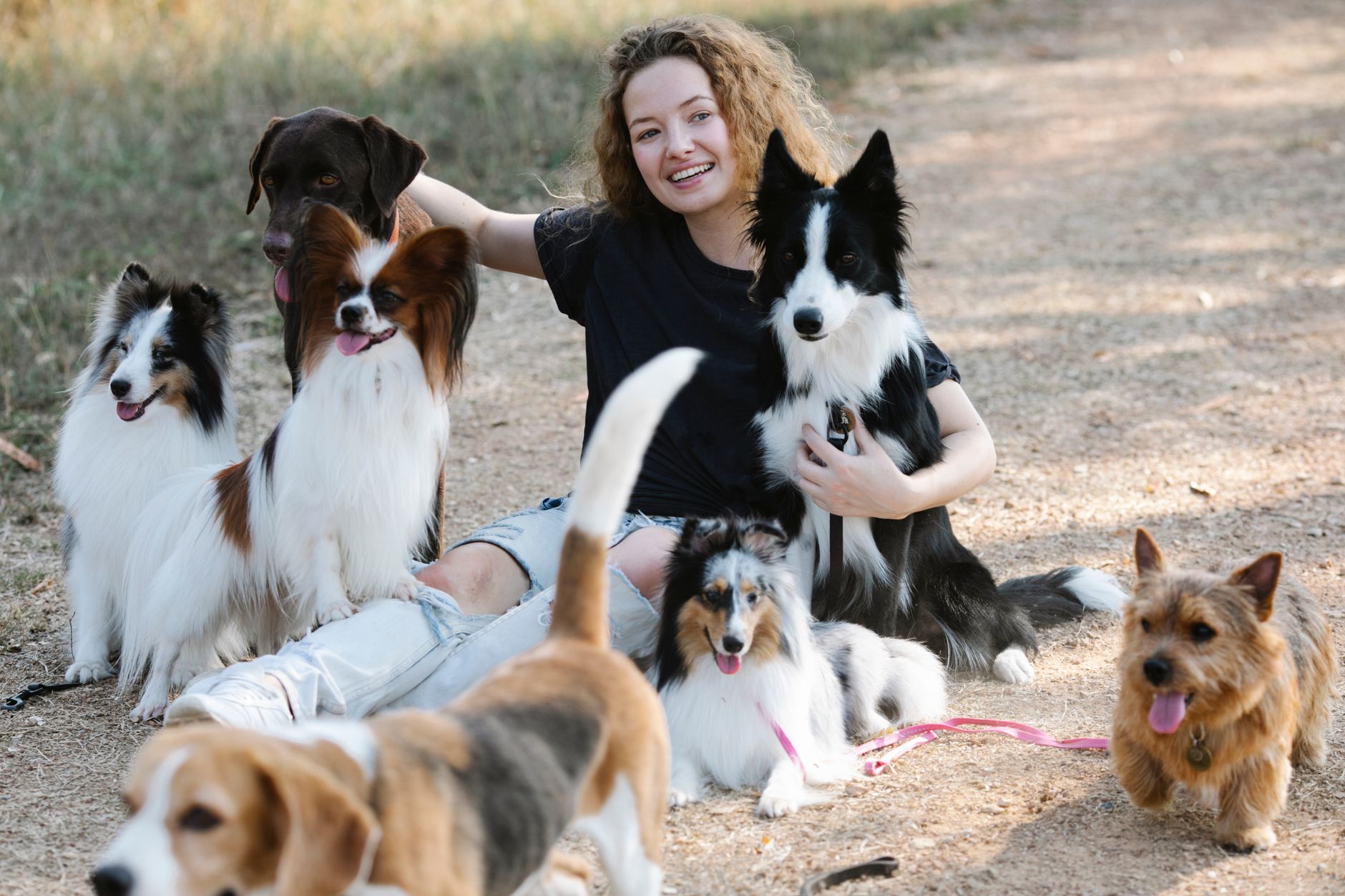
The right dog is not determined by popularity, appearance, or online trends. A good match comes from understanding how a dog’s natural behavior fits with your daily routine, living situation, and ability to provide care. Every breed has different needs, and choosing a dog that aligns with your lifestyle can make the relationship easier and more rewarding for both owner and pet.
Before deciding which dog matches you, consider what kind of companion you are looking for. Some people want an energetic partner for outdoor activities, while others need a calm dog that enjoys relaxed time at home. The best choice depends on compatibility rather than simply choosing a breed that looks appealing.
Your Daily Routine Should Guide Your Choice
A dog’s exercise needs, temperament, and independence level should match the amount of time you can realistically provide. A mismatch between owner and dog often leads to frustration, behavioral problems, or an unhappy pet.
| Your Lifestyle | Dog Characteristics to Consider |
|---|---|
| Active and outdoors frequently | High-energy breeds that enjoy exercise, training, and mental stimulation. |
| Busy work schedule | Dogs that can adapt better to alone time with proper training and enrichment. |
| Quiet home environment | Calmer breeds that prefer companionship and moderate activity. |
| First-time owner | Breeds known for adaptability and easier training requirements. |
If You Enjoy an Active Lifestyle
People who spend a lot of time outdoors may prefer dogs that enjoy movement and challenges. These breeds often have strong working instincts and need regular physical and mental activities.
- Border Collie: Highly intelligent and often needs activities that challenge both its body and mind.
- Australian Shepherd: A working breed that generally benefits from structured exercise and training.
- Labrador Retriever: A social and energetic companion that often suits owners who enjoy outdoor activities.
These dogs can become difficult to manage if their energy is not directed into appropriate activities.
If You Prefer a Calm Companion
Not every owner wants a dog that constantly needs activity. Some people are looking for companionship, affection, and a calmer presence at home.
- Cavalier King Charles Spaniel: Often enjoys close interaction and human companionship.
- French Bulldog: Usually has lower exercise demands compared with many active working breeds.
- Greyhound: Despite its racing history, many individuals are known for being relaxed indoors.
Calm breeds still require attention, training, and regular care. Lower energy does not mean no responsibility.
Families, Singles, and Experienced Owners May Need Different Dogs
For Families With Children
Families often benefit from dogs with social personalities and patience. However, supervision and teaching children how to interact with pets remain important regardless of breed.
- Golden Retriever
- Labrador Retriever
- Poodle
For People Living Alone
A person living alone may value a dog that provides companionship while fitting their schedule. Consider whether the dog is comfortable with your work hours and how much interaction it requires.
For Experienced Dog Owners
Owners with previous experience may enjoy breeds that require more training, stronger leadership, or specialized care. Intelligent and independent dogs can be excellent companions but often demand more consistency.
Size Does Not Always Predict Personality
A common mistake is assuming small dogs are always easier or large dogs are always more demanding. A small breed may have high energy and strong barking tendencies, while a larger breed may be relaxed and adaptable.
Instead of focusing only on size, evaluate:
- Exercise requirements
- Noise level
- Training difficulty
- Grooming needs
- Social behavior
Important Factors Beyond Breed
Breed information provides general guidance, but every dog is an individual. Genetics, early experiences, training, and socialization influence personality and behavior.
When choosing a dog, consider these questions:
- How much time can I spend exercising and interacting with my dog?
- Can my home environment support this dog’s needs?
- Am I prepared for grooming, healthcare, and long-term expenses?
- Do I want a companion, a working partner, or a family pet?
Mixed Breeds Can Be the Right Match Too
A dog’s suitability is not limited to purebred animals. Mixed-breed dogs can have excellent temperaments and may fit an owner’s lifestyle just as well. Spending time with a specific dog often reveals more than appearance or breed labels alone.
The Best Match Is Based on Compatibility
Finding a dog that matches you requires looking beyond looks and trends. The ideal companion is one whose needs, personality, and energy level fit naturally with your everyday life.
A thoughtful choice creates a stronger bond and reduces the chance of problems caused by incompatible expectations. The goal is not finding the most popular dog, but finding the dog that can thrive with you.