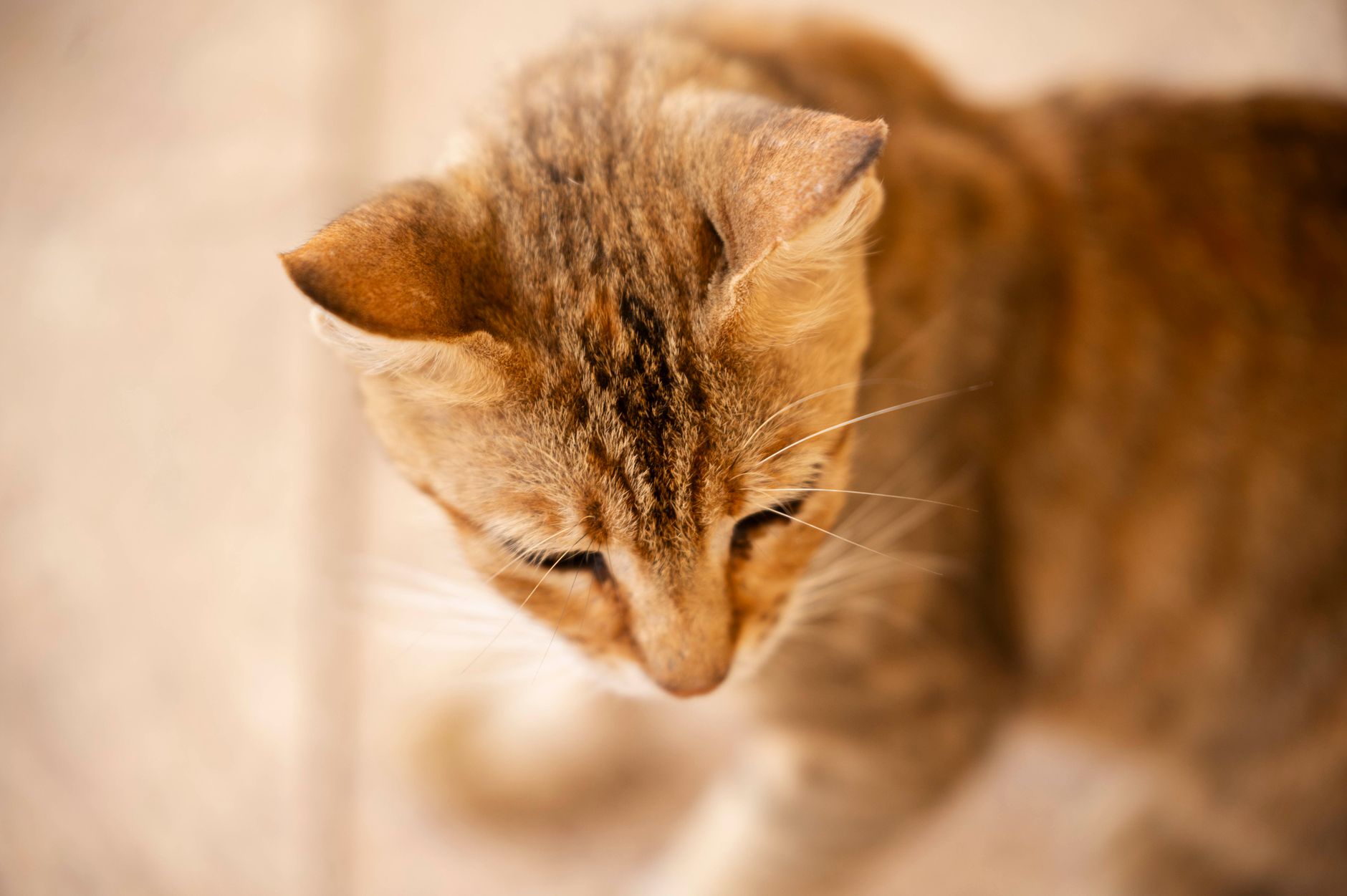
Many cat owners notice that their pet’s ears feel warmer than expected and immediately wonder whether something is wrong. In most cases, warm cat ears are not automatically a sign of illness. A cat’s ears naturally respond to changes in blood circulation, activity, and the surrounding environment.
However, unusually warm ears can sometimes appear alongside symptoms that require attention. Knowing what is normal and what is concerning can help owners make better decisions about their cat’s health.
Why a Cat’s Ears Can Feel Warmer Than the Rest of the Body
A cat’s ears have a unique structure that makes temperature changes easier to notice. The skin on the ears is relatively thin and contains many small blood vessels near the surface. These vessels help regulate body heat by increasing or decreasing blood flow.
When more blood reaches the ears, they may feel warm to the touch. This can happen after playing, exercising, resting in a sunny area, or being exposed to a warm room. Once the cat cools down, the ear temperature often returns to normal.
Common Reasons Your Cat’s Ears Feel Warm
| Cause | Why It Happens | What to Check |
|---|---|---|
| Environmental heat | Warm surroundings can increase surface temperature, especially in areas with less fur. | Check whether your cat has been near sunlight, heating devices, or warm bedding. |
| Recent activity | Movement increases circulation and produces more body heat. | The ears should cool after the cat rests. |
| Normal body regulation | The ears help release or conserve heat depending on the body’s needs. | Look at overall behavior rather than ear temperature alone. |
| Stress or excitement | Temporary changes in circulation can occur during emotional situations. | Observe whether the warmth disappears once the cat relaxes. |
| Health-related issues | Inflammation, infection, or fever may increase warmth. | Look for additional symptoms such as discomfort or behavioral changes. |
When Warm Ears May Point to an Ear Problem
Warm ears become more concerning when they are accompanied by signs of irritation or discomfort. Problems affecting the ear canal or surrounding tissue can cause increased blood flow and inflammation.
Possible warning signs include:
- Frequent scratching around the ears.
- Repeated head shaking.
- Redness or swelling.
- Unusual odor from the ears.
- Dark debris or discharge.
- Avoiding touch around the ears.
Conditions such as ear infections, allergies, or ear mites can cause irritation that makes the ears appear warmer than usual.
Can Warm Cat Ears Mean a Fever?
Feeling a cat’s ears with your hand is not a reliable way to determine whether the animal has a fever. The ears can feel warm even when the cat’s internal body temperature is normal.
A fever is more likely to be suspected when warm ears occur together with broader signs of illness, including:
- Reduced appetite.
- Lack of energy or unusual sleepiness.
- Hiding more than usual.
- Changes in drinking habits.
- Signs of pain or discomfort.
A veterinarian can confirm whether a cat has a fever and identify the underlying cause through a proper examination.
Why You Should Look at Behavior Instead of Ear Temperature Alone
Cats naturally have temperature differences between body areas. Their ears, paws, and nose may feel cooler or warmer depending on circulation and environmental conditions.
The more useful question is not simply “Are my cat’s ears warm?” but rather “Is my cat acting differently?”
Pay attention to changes such as:
- Loss of interest in food or water.
- Reduced activity or unusual tiredness.
- Changes in grooming habits.
- Difficulty using the litter box.
- Signs of pain or stress.
A healthy cat with warm ears but normal behavior usually does not require immediate concern. A cat with warm ears and noticeable behavior changes should be monitored more carefully.
How to Check Your Cat’s Ears Safely at Home
Regular ear checks can help owners notice problems early. Examine the outside of the ears in a calm environment and avoid inserting objects into the ear canal unless instructed by a veterinarian.
- Compare both ears for unusual differences.
- Look for visible dirt, redness, or swelling.
- Notice whether your cat reacts negatively when touched.
- Monitor changes over time instead of relying on a single observation.
When to Contact a Veterinarian
Warm ears by themselves are usually not an emergency. Veterinary advice is recommended when the warmth is persistent or appears with other concerning symptoms.
Schedule a veterinary consultation if your cat shows:
- Persistent ear warmth combined with illness symptoms.
- Ear discharge or strong odor.
- Frequent scratching or head shaking.
- Changes in appetite or energy.
- Signs of discomfort or pain.
The Key Is Understanding Your Cat’s Normal Condition
A cat’s warm ears are often simply a result of normal body regulation. Temperature can change throughout the day based on activity, environment, and circulation.
The best way to judge whether something is wrong is to consider the complete picture: your cat’s behavior, appetite, comfort level, and any additional symptoms. Knowing what is normal for your own cat makes it easier to recognize when professional veterinary care may be needed.