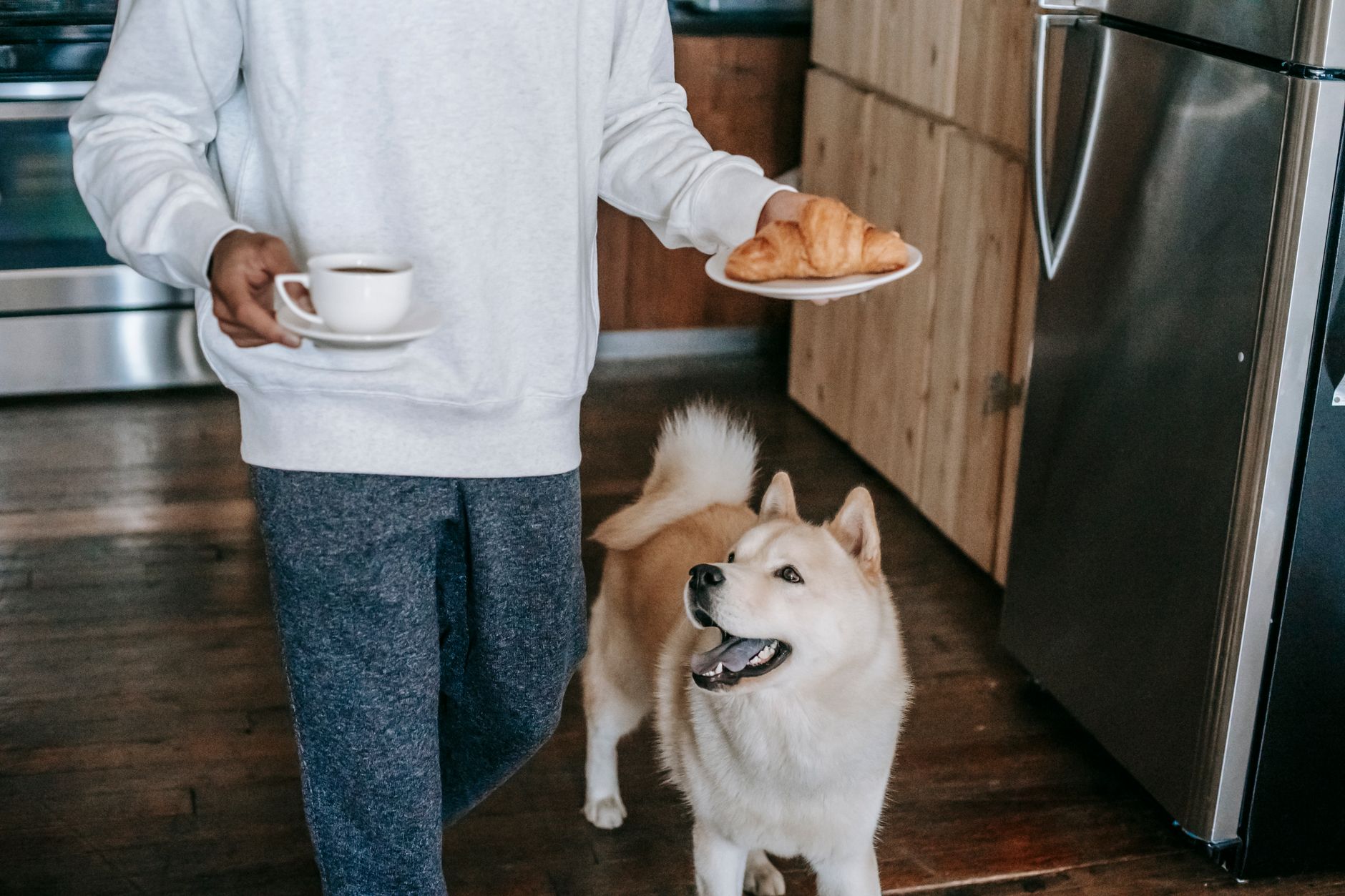
Dogs are naturally curious about food, especially when they see their owners eating. However, a snack that is harmless for people may create serious health risks for dogs. Their bodies process certain ingredients differently, and some everyday foods can affect the digestive system, nervous system, or internal organs.
Understanding which foods are bad for dogs is an important part of responsible pet care. Preventing accidental ingestion is often much easier than dealing with the effects after a dog becomes sick.
Why Some Foods Are Unsafe for Dogs
Dogs are not simply smaller versions of humans. Their metabolism, digestive system, and nutritional requirements are different. Certain compounds that humans can tolerate may be difficult or dangerous for dogs to process.
The level of risk depends on several factors, including the type of food, the quantity eaten, the dog’s size, age, and overall health. A small amount of one food may only cause mild discomfort, while another ingredient may require urgent veterinary attention.
Foods That Should Never Be Given to Dogs
| Food | Why It Can Be Dangerous |
|---|---|
| Chocolate | Contains compounds that can affect a dog’s heart, nervous system, and digestion. |
| Grapes and raisins | Can cause severe reactions, including kidney-related complications in some dogs. |
| Onions, garlic, and related foods | May damage red blood cells and contribute to anemia. |
| Xylitol | A sweetener that can cause dangerous changes in blood sugar levels. |
| Alcohol | Can interfere with brain function and normal body processes. |
| Caffeine | Can overstimulate a dog’s nervous system. |
| Macadamia nuts | Associated with illness symptoms in dogs after consumption. |
Common Kitchen Foods That Create Hidden Risks
Chocolate and Cocoa Products
Chocolate is one of the most recognized foods dogs should avoid. The concern comes from naturally occurring compounds in cocoa that dogs cannot break down as efficiently as humans. Dark chocolate and baking chocolate generally contain higher concentrations than milk chocolate.
Grapes and Raisins
Grapes and raisins may appear like harmless fruit snacks, but they are not considered safe for dogs. Some dogs have experienced serious health effects after eating them, and individual sensitivity can vary.
Onions, Garlic, and Seasoned Foods
Many cooked meals contain onion or garlic as flavoring ingredients. These foods can be problematic for dogs, including when they are added in powdered or concentrated forms. Pet owners should be careful with leftovers because seasoning is often overlooked.
Sugar-Free Products Containing Xylitol
Xylitol is a sweetener found in some sugar-free products such as certain gums, candies, and other packaged foods. Even small amounts can be dangerous for dogs, making ingredient checks important before offering any processed human food.
Other Foods Dogs Should Avoid or Eat With Caution
- Fatty foods: Greasy leftovers can upset digestion and may contribute to more serious health issues in some dogs.
- Cooked bones: Bones can break into sharp pieces that may injure the mouth or digestive tract.
- Raw yeast dough: Dough can expand after being eaten and may create dangerous digestive problems.
- Large amounts of salt: Excessive salt intake can negatively affect a dog’s health.
- Some fruit pits and seeds: Certain seeds, pits, and large pieces can create choking hazards or contain harmful substances.
Symptoms That May Indicate a Food Problem
If a dog eats something unsafe, symptoms can appear differently depending on the ingredient involved. Owners should watch for changes such as:
- Vomiting or diarrhea
- Loss of appetite
- Unusual tiredness or weakness
- Trembling or changes in movement
- Excessive thirst or changes in urination
- Signs of discomfort or distress
Some toxic reactions may not appear immediately, so waiting for symptoms is not always the safest approach when a known harmful food has been consumed.
What to Do If Your Dog Eats Something Dangerous
The appropriate response depends on what the dog ate, how much was consumed, and the dog’s condition. Owners should avoid giving unverified home treatments, as some responses can make certain situations worse.
Contacting a veterinarian is the most reliable option when there is concern. Information such as the food type, approximate amount, packaging details, and time of consumption can help determine the next steps.
Building Safer Eating Habits for Dogs
The easiest way to prevent food-related problems is to create clear boundaries around human meals. Keep unsafe foods stored securely, avoid sharing unknown ingredients, and choose treats designed specifically for canine nutrition.
Dogs can enjoy occasional treats, but their main diet should remain balanced and appropriate for their nutritional needs. Knowing what foods are bad for dogs allows owners to provide affection without accidentally putting their pets at risk.