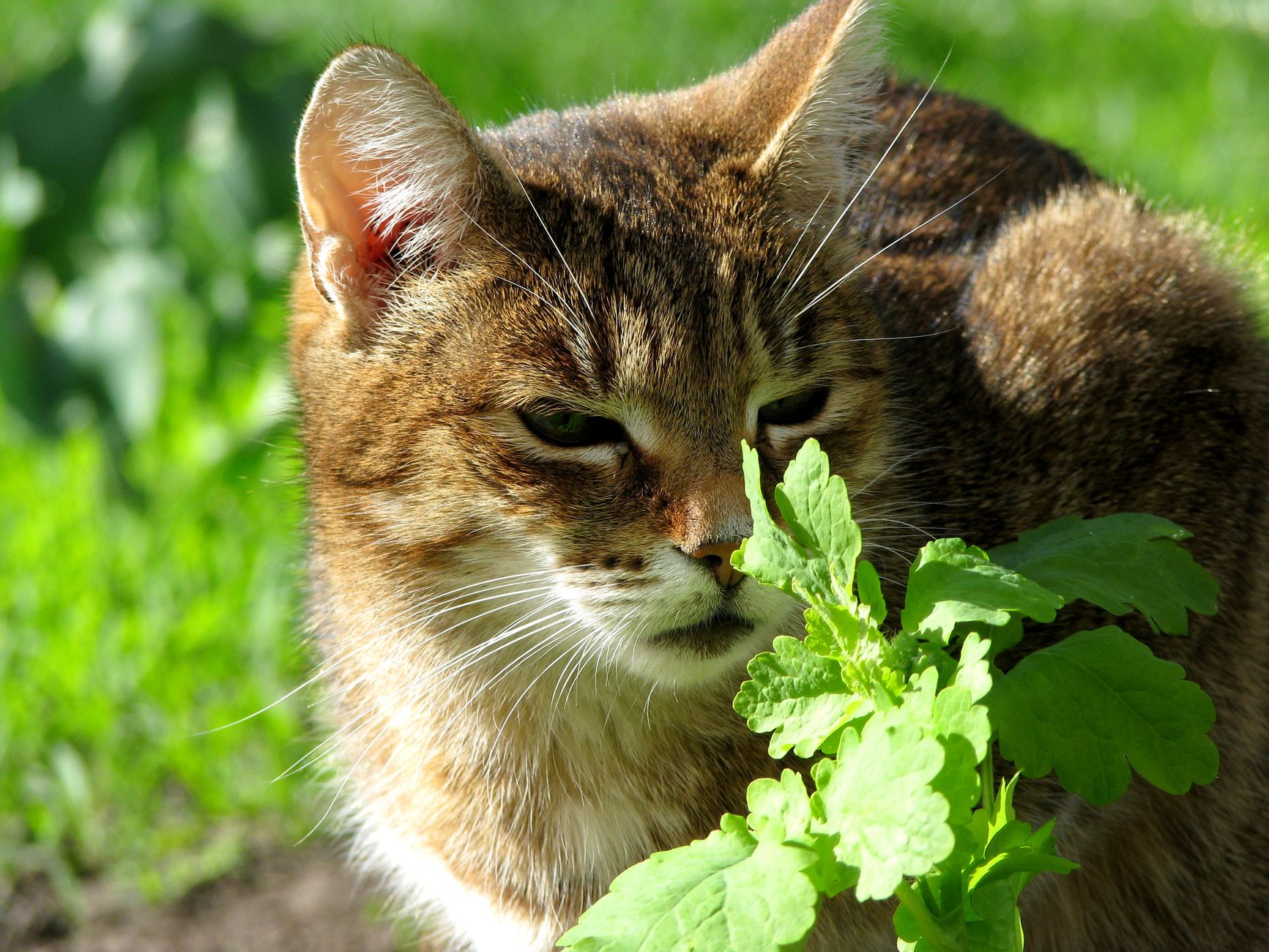
Catnip is one of the most popular enrichment tools for cats, but many owners wonder when it is appropriate to introduce it. While catnip is generally considered safe for most cats, age, genetics, and individual sensitivity all influence how a cat responds.
The short answer is that kittens usually do not respond to catnip until they are several months old, and introducing it too early is unlikely to provide any noticeable effect. Understanding how catnip works can help owners use it properly as part of play and environmental enrichment.
Most Cats Can Try Catnip Around 6 Months of Age
There is no strict veterinary rule that determines the exact age a cat can have catnip, but many cats begin showing sensitivity at around 3 to 6 months old. Younger kittens typically ignore catnip because the neurological pathways involved in the response have not fully developed.
For practical purposes, waiting until a kitten is approximately 6 months old is a common approach. By this stage, owners can better observe how the cat reacts and avoid introducing unnecessary stimulation during early development.
Why Young Kittens Usually Ignore Catnip
Catnip contains a natural compound called nepetalactone, which interacts with scent receptors in a cat’s nose. The response is not caused by the cat eating the plant but by smelling it.
The reaction can include behaviors such as:
- Rolling on the ground
- Rubbing against toys or surfaces
- Increased playfulness
- Running and jumping
- Relaxation after the excitement period
Kittens often do not react because their sensory systems are still developing. Even if a kitten smells catnip, it may simply show no interest.
Not Every Cat Responds to Catnip
Catnip sensitivity is largely determined by genetics. Research estimates that roughly 50% to 70% of cats respond to catnip, meaning a significant number of cats will not show any reaction at all.
A lack of response does not indicate a health problem or behavioral issue. Some cats simply do not inherit the sensitivity required to react to nepetalactone.
| Cat Type | Typical Response |
|---|---|
| Young kittens | Usually little or no reaction |
| Adult cats with sensitivity | May become playful, energetic, or relaxed |
| Non-sensitive cats | No noticeable effect |
| Senior cats | Response may vary depending on health and interest |
How to Introduce Catnip Safely
When introducing catnip for the first time, start with a small amount. Cats do not need large quantities to experience the effect.
- Use a small amount: Sprinkle a little dried catnip on a toy, scratching post, or play area.
- Observe the reaction: Some cats become excited, while others may become calm.
- Limit exposure: Continuous access may reduce the novelty because cats can become temporarily less responsive.
- Keep it clean: Store dried catnip in a sealed container to maintain freshness.
Most cats experience the effects for around 5 to 15 minutes before becoming temporarily less interested. After a period without exposure, sensitivity usually returns.
Can Kittens Eat Catnip?
Catnip itself is not considered toxic to cats, including kittens, when used in normal amounts. However, very young kittens generally gain little benefit because they usually cannot respond to it yet.
The main purpose of catnip is enrichment rather than nutrition. It should not replace proper kitten food, training, social interaction, or regular play.
Large amounts of catnip may cause mild digestive upset in some cats, especially if they consume a significant quantity rather than simply smelling it.
Catnip Benefits Beyond Fun
Catnip can be useful as a behavioral enrichment tool. For indoor cats especially, adding variety to their environment can help reduce boredom.
Potential benefits include:
- Encouraging play: Catnip can motivate cats to interact with toys and exercise.
- Supporting mental stimulation: New scents create opportunities for exploration.
- Helping with scratching habits: Catnip can make scratching posts more attractive.
- Reducing stress during some situations: Some cats become calmer after the initial excitement period.
When Should Catnip Be Avoided?
Although catnip is generally safe, owners should consider their cat’s individual behavior. Some cats become overly excited or aggressive during the response period.
If a cat shows signs such as excessive rough play, stress, or unwanted behavior after exposure, reducing the amount or avoiding catnip may be the better choice.
Cats with certain medical concerns should also be discussed with a veterinarian before introducing new supplements or products, especially if the cat has unusual reactions.
Catnip Alternatives for Cats That Do Not Respond
Cats that ignore catnip may still enjoy other plant-based enrichment options. Some cats respond to alternatives such as:
- Silver vine
- Valerian root
- Tatarian honeysuckle
These alternatives work differently and may appeal to cats that show no interest in traditional catnip.
Final Thoughts
Catnip can usually be introduced when a cat is around 6 months old, although some cats may respond earlier or later. The most important factor is not age alone but whether the cat has the genetic sensitivity required to react.
For responsive cats, catnip can be a simple and effective way to encourage play, provide stimulation, and enrich their environment. For cats that do not react, there are other safe enrichment options available.