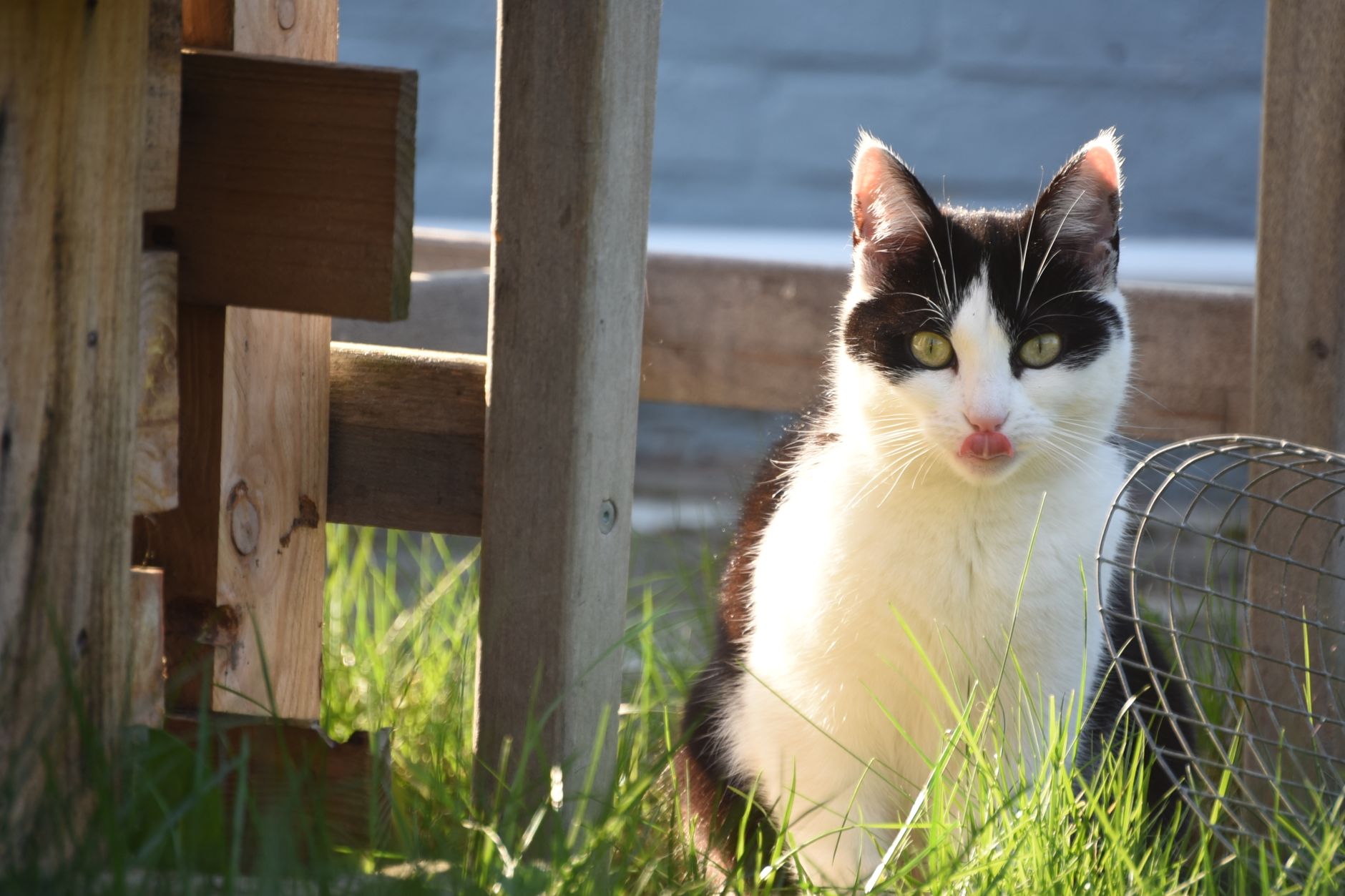
Whether they belong to neighbors, are community cats, or are simply wandering through the area, unwanted cats in a yard can create challenges. They may dig in garden beds, disturb wildlife, leave waste, or damage plants. The most effective solutions focus on making the yard less attractive while avoiding methods that could injure animals.
Keeping cats away is usually not about creating a physical barrier alone. Cats are intelligent and adaptable, so successful prevention often combines environmental changes, humane deterrents, and adjustments to the space that make your yard less appealing.
Why Cats Enter Certain Yards
Before choosing a solution, it helps to understand why cats visit a particular area. Cats typically explore places that provide safety, food, shelter, or interesting smells.
| Reason Cats Visit | What Makes a Yard Attractive |
|---|---|
| Searching for food | Accessible trash, outdoor pet food, or other food sources |
| Finding shelter | Quiet hiding places, sheds, bushes, or covered areas |
| Using soft soil | Garden beds, mulch, and loose dirt that are easy to dig |
| Exploring territory | Open spaces that allow movement and investigation |
Removing these attractions can reduce visits without needing aggressive measures.
Start With Making Your Yard Less Appealing
One of the most reliable ways to discourage cats is to change the environment. Cats prefer places where they feel comfortable and safe, so small adjustments can make a noticeable difference.
Secure Food Sources
Outdoor food is one of the strongest reasons cats return. If possible, avoid leaving pet food outside and make sure garbage containers are properly closed.
If you feed outdoor cats intentionally, consider creating a designated feeding area away from spaces you want to protect.
Reduce Hiding Places
Cats often choose yards with sheltered areas where they can rest or avoid threats. Removing unnecessary piles of materials, blocking access under structures, and keeping storage areas organized can make the space less attractive.
Protect Garden Areas Cats Like to Dig
Many cats use loose soil, mulch, and garden beds because these surfaces are comfortable for digging. Protecting these areas can prevent unwanted behavior.
- Cover exposed soil with heavier mulch or decorative stones.
- Use garden netting or protective barriers around vulnerable plants.
- Place physical obstacles in areas where cats frequently dig.
- Keep garden beds maintained so they are less inviting as litter areas.
The goal is to make digging inconvenient while still maintaining a healthy garden environment.
Use Humane Cat Deterrents
Humane deterrents work by creating an unpleasant experience without causing harm. Different cats respond differently, so combining methods is often more effective than relying on one solution.
Motion-Activated Sprinklers
Motion-triggered sprinklers can discourage cats by surprising them with a burst of water when they enter an area. Many cats dislike sudden movement and unexpected water exposure.
These devices can also help deter other animals, but they require proper placement to avoid affecting people or pets accidentally.
Natural Scents Cats Dislike
Cats have a strong sense of smell, and some scents may discourage them from entering specific areas. However, scent-based deterrents usually require repeated application and may become less effective over time.
Care should be taken because some plants, oils, and chemicals that repel animals may be unsafe for cats or other wildlife.
Ultrasonic Deterrent Devices
Ultrasonic devices are designed to emit sounds intended to discourage animals from entering an area. Their effectiveness can vary, and results may depend on the specific animal and environment.
Create Physical Barriers Where Needed
Physical prevention can be one of the most dependable methods, especially for specific areas such as gardens, patios, or small sections of a yard.
- Install fencing designed to limit climbing or access.
- Use protective covers over garden beds.
- Block openings under decks, sheds, or outdoor structures.
- Use barriers around areas where cats frequently enter.
Because cats are skilled climbers and jumpers, ordinary fences may not always be enough. The design needs to consider how cats move through spaces.
Avoid Harmful Methods That Can Injure Cats
Some traditional pest-control ideas can put animals at risk and may also create problems for other wildlife, pets, or children.
Avoid using:
- Poisonous substances
- Sharp objects designed to injure animals
- Dangerous chemicals
- Traps that can harm or stress animals
Humane prevention is generally more effective long term because it addresses the reason cats visit rather than simply causing harm.
What to Do If a Community Cat Keeps Returning
Some cats repeatedly visit because they are part of a local outdoor cat population. These cats may return even after deterrents are added because the area is part of their territory.
In these situations, options may include:
- Removing food sources that encourage frequent visits.
- Using humane deterrents around problem areas.
- Contacting local animal welfare organizations for guidance.
- Supporting responsible community cat management programs where available.
Keeping Cats Away Requires Consistency
A single deterrent rarely solves every cat-related yard problem. Cats are persistent animals, and they may return if the conditions that attracted them remain unchanged.
The most successful approach combines several strategies:
- Remove food and shelter attractions.
- Protect vulnerable garden areas.
- Add humane deterrents.
- Maintain barriers consistently.
- Adjust methods based on the cat’s behavior.
Final Thoughts on Creating a Cat-Free Yard
Keeping cats out of your yard does not require harsh solutions. By understanding why cats visit and making your outdoor space less attractive, you can reduce unwanted visits while maintaining a safe environment for animals.
A combination of prevention, gentle deterrents, and smart yard design is usually the most practical way to protect gardens and outdoor spaces without causing harm.