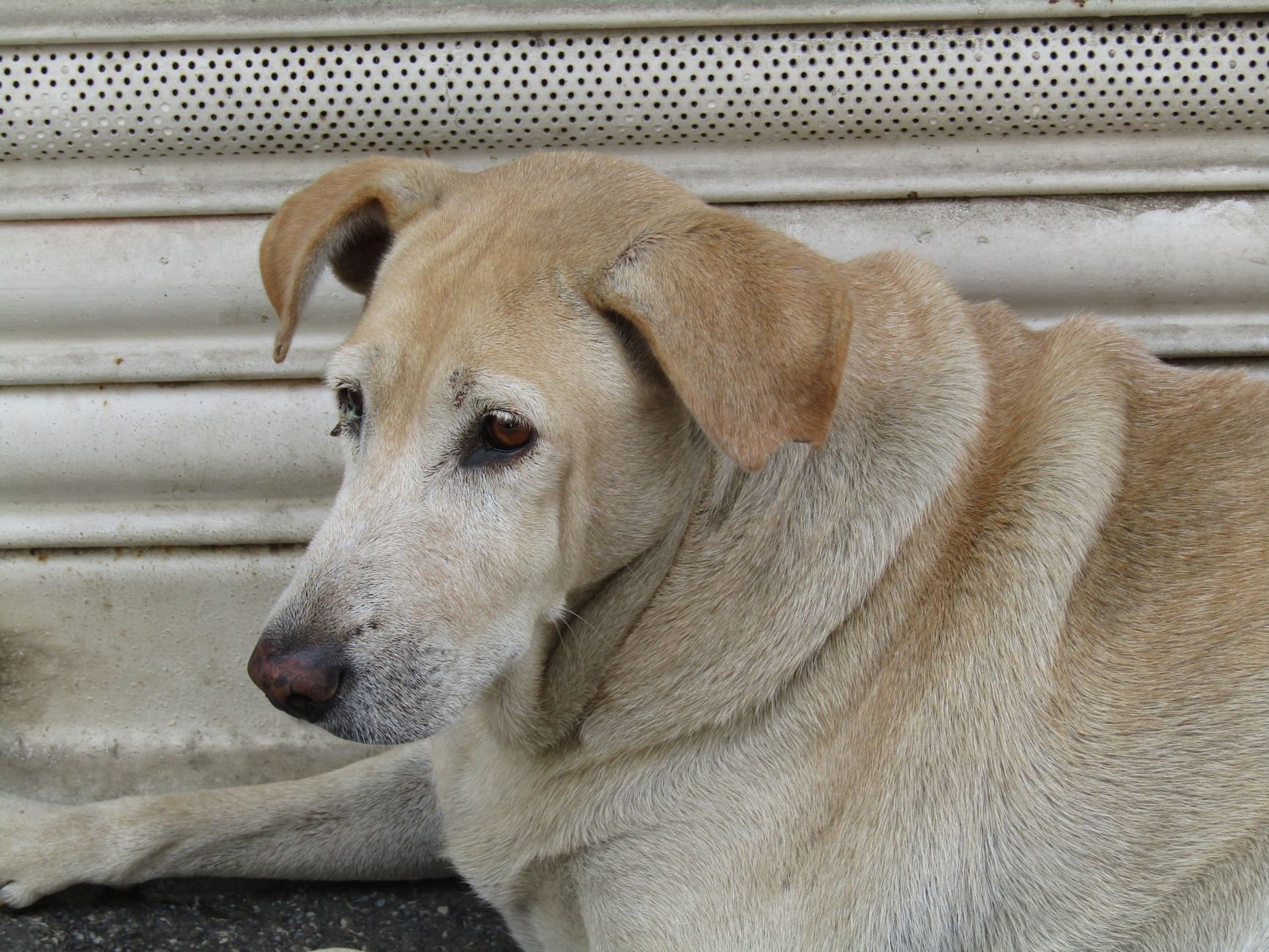
A dog does not suddenly become old on a specific birthday. The transition into the senior stage depends on several factors, including breed size, genetics, lifestyle, and overall health. While some dogs begin showing signs of aging earlier, others remain active and healthy well into their later years.
Knowing when a dog is considered a senior helps owners adjust nutrition, exercise, veterinary care, and daily routines before age-related problems become serious.
Senior Dog Age Depends on Size and Breed
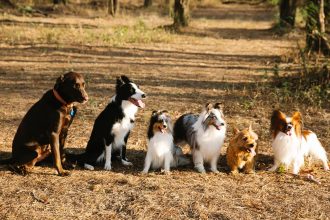
The common idea that one human year equals seven dog years is a simple estimate and does not accurately represent how dogs age. Dogs mature quickly during their early years, then their aging process varies significantly depending on their size and breed.
| Dog Size | Typical Senior Age Range | General Aging Pattern |
|---|---|---|
| Small breeds | Around 10–12 years and older | Often have longer lifespans and may age more gradually |
| Medium breeds | Around 8–10 years and older | Usually enter senior years earlier than small dogs |
| Large breeds | Around 6–8 years and older | Typically age faster and may develop age-related conditions sooner |
| Giant breeds | Sometimes around 5–7 years | Have shorter average lifespans compared with smaller dogs |
What Changes When a Dog Becomes Senior?
Aging affects many parts of a dog’s body. Some changes happen slowly and may be difficult to notice at first. Regular observation is important because early detection can improve management of many age-related conditions.
Reduced Energy and Activity Levels
Senior dogs often become less energetic than they were as young adults. They may sleep more, take longer to recover after activity, or prefer shorter walks. This does not mean exercise should stop; instead, activity should be adjusted to match their physical ability.
Changes in Mobility
Joint stiffness, arthritis, and muscle loss are common concerns in older dogs. Owners may notice difficulty climbing stairs, jumping onto furniture, or standing after resting for long periods.
Maintaining a healthy weight and providing appropriate low-impact exercise can help reduce unnecessary stress on aging joints.
Changes in Senses and Behavior
Some senior dogs experience reduced hearing or vision. Others may show changes in sleep patterns, confusion, or altered interactions with family members. Behavioral changes should not automatically be considered normal aging because they can sometimes indicate underlying medical issues.
How to Support an Older Dog’s Health
Senior dogs often benefit from adjustments in their daily care routine. Their needs may differ from those of younger dogs, especially regarding diet, exercise, and medical monitoring.
- Schedule regular veterinary checkups: Older dogs may require more frequent health evaluations to identify problems earlier.
- Monitor weight: Maintaining an appropriate body condition can reduce strain on joints and organs.
- Provide suitable exercise: Gentle walks and controlled activity help maintain mobility and muscle strength.
- Adjust nutrition when needed: Some senior dogs may require diets designed for changing energy needs or health conditions.
- Make the home environment comfortable: Non-slip surfaces, easier access to resting areas, and reduced physical obstacles can help older dogs move safely.
Signs That Your Dog May Be Entering the Senior Stage
Age alone does not determine whether a dog is becoming senior. Owners can also watch for practical signs such as:
- Sleeping more frequently than before
- Taking longer to walk or play
- Difficulty getting up or lying down
- Changes in appetite or body weight
- New behavioral changes
- Reduced interest in activities they previously enjoyed
These signs can be part of normal aging, but they can also indicate medical problems. A veterinarian can help determine whether changes are age-related or require treatment.
Senior Dogs Can Still Have a Good Quality of Life
Becoming a senior does not mean a dog is no longer active or happy. Many older dogs continue to enjoy walks, playtime, training, and interaction with their families. The main difference is that their needs may change as their bodies age.
Understanding when a dog becomes a senior allows owners to make better decisions about preventive care and lifestyle adjustments. With proper attention, many dogs can remain comfortable, engaged, and healthy throughout their later years.