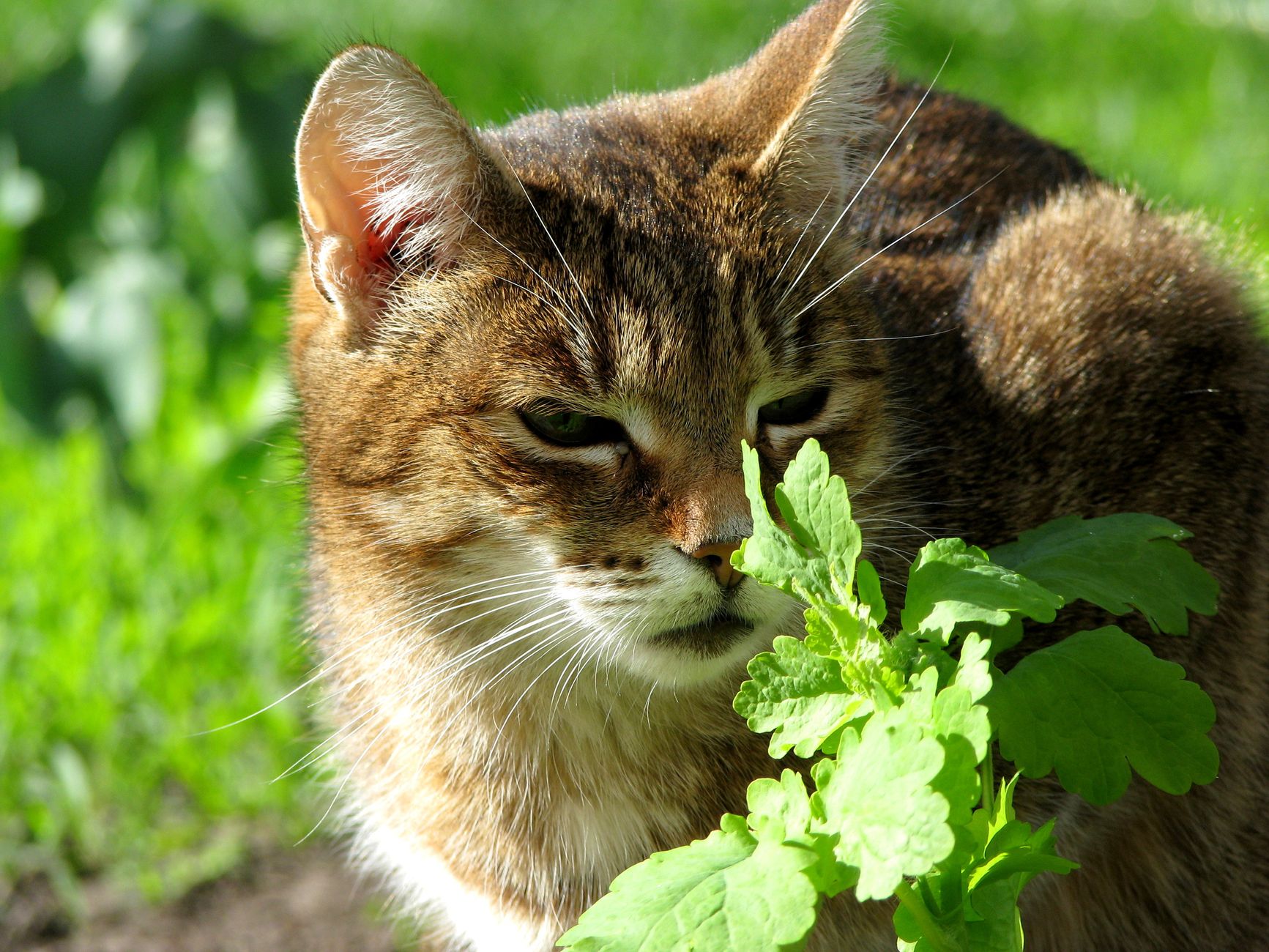
You sprinkle a little green herb on the floor.
Suddenly your cat:
-
Rolls
-
Rubs
-
Zooms
-
Purrs
-
Or stares at you like nothing happened
From a pawrent’s point of view, catnip can feel magical—or completely useless.
So what does catnip actually do to cats?
The clear answer is this:
Catnip triggers a temporary neurological response in some cats that mimics excitement or euphoria, followed by calm or indifference.
Not all cats respond—and that’s normal.
The Quick Pawrent Answer (Right Away)
Catnip:
-
Stimulates scent receptors in the nose
-
Activates pleasure and play pathways in the brain
-
Causes temporary excitement or relaxation
-
Lasts about 5–15 minutes
-
Affects about 50–70% of cats
It’s safe and non-addictive.
What Is Catnip, Exactly?
Catnip is a plant called Nepeta cataria, part of the mint family.
It contains a chemical compound called nepetalactone.
This compound is responsible for the catnip response.
How Catnip Affects the Cat Brain
When a cat smells catnip:
-
Nepetalactone binds to nasal receptors
-
Signals are sent to the brain’s pleasure centers
-
The brain reacts similarly to pheromones
This creates a temporary altered state—behavioral, not hallucinogenic.
Why Some Cats Go Wild on Catnip
Cats that respond strongly may:
-
Roll on the floor
-
Rub their face and body
-
Sprint suddenly
-
Vocalize
-
Act playful or silly
This behavior is an expression of heightened stimulation, not loss of control.
Why Some Cats Get Calm Instead
Not all reactions look hyper.
Some cats:
-
Stretch
-
Drool
-
Purr
-
Lie down
For these cats, catnip triggers relaxation rather than excitement.
Why Some Cats Don’t React at All
A lack of response is normal.
Catnip sensitivity is:
-
Genetic
-
Dominant
-
Inherited
Kittens under 3–6 months usually don’t respond, and about 30–50% of cats never will.
Smelling vs Eating Catnip
How your cat interacts with catnip matters.
Smelling Catnip
-
Causes stimulation or excitement
-
Activates brain receptors
Eating Catnip
-
Often leads to mild sedation
-
Can cause relaxation
Both responses are normal and safe in small amounts.
How Long Does the Catnip Effect Last?
The active effect:
-
Peaks within minutes
-
Lasts 5–15 minutes
Afterward, cats become temporarily immune for about 1–2 hours.
Is Catnip Safe for Cats?
Yes.
Catnip is:
-
Non-toxic
-
Non-addictive
-
Safe in moderation
Overexposure may cause:
-
Mild digestive upset
-
Temporary overstimulation
Moderation keeps it enjoyable.
Can Catnip Cause Aggression?
Rarely—but it can happen.
In some cats:
-
Overstimulation may lead to rough play
-
Redirected aggression can occur
If this happens, reduce frequency or switch enrichment methods.
Does Catnip Affect Male and Female Cats Differently?
No.
Sex does not determine response.
Response is based on:
-
Genetics
-
Individual sensitivity
Spaying or neutering doesn’t change catnip reaction.
Catnip and Stress Relief
Catnip can help:
-
Reduce stress
-
Encourage play
-
Increase environmental enrichment
For some cats, it acts as a natural mood booster.
Using Catnip for Enrichment
Pawrents can use catnip to:
-
Refresh old toys
-
Encourage scratching post use
-
Stimulate inactive cats
Rotate usage to keep the effect strong.
Catnip Alternatives for Non-Responders
Some cats prefer:
-
Silvervine
-
Valerian root
-
Honeysuckle wood
These activate different receptors and may work when catnip doesn’t.
Why Cats Roll in Catnip
Rolling:
-
Distributes scent
-
Enhances sensory experience
-
Mimics social marking behavior
It’s instinctive and harmless.
Catnip and Training
Catnip can:
-
Reinforce positive behaviors
-
Redirect scratching
-
Encourage exploration
Use it strategically, not constantly.
How Often Should You Give Catnip?
A safe guideline:
-
1–2 times per week
Daily use may reduce effectiveness.
Kittens and Catnip: What to Know
Kittens:
-
Usually show no reaction
-
Develop sensitivity with age
This is normal and not a concern.
Pawrent Perspective: When Catnip Feels Like Magic
Watching a cat enjoy catnip can feel joyful—and hilarious.
But even when nothing happens, that’s okay too.
When to Avoid Catnip
Avoid catnip if your cat:
-
Becomes aggressive
-
Has a sensitive stomach
-
Is recovering from surgery
Always observe first reactions.
Final Pawrent Perspective: What Does Catnip Do to Cats?
From a pawrent’s point of view:
-
Catnip creates a temporary brain response tied to pleasure or calm
-
Not all cats respond, and that’s normal
-
The effect is short, safe, and non-addictive
-
Used properly, it enhances play and well-being
Catnip isn’t a necessity—it’s a bonus.
And when it works, it’s pure feline joy.