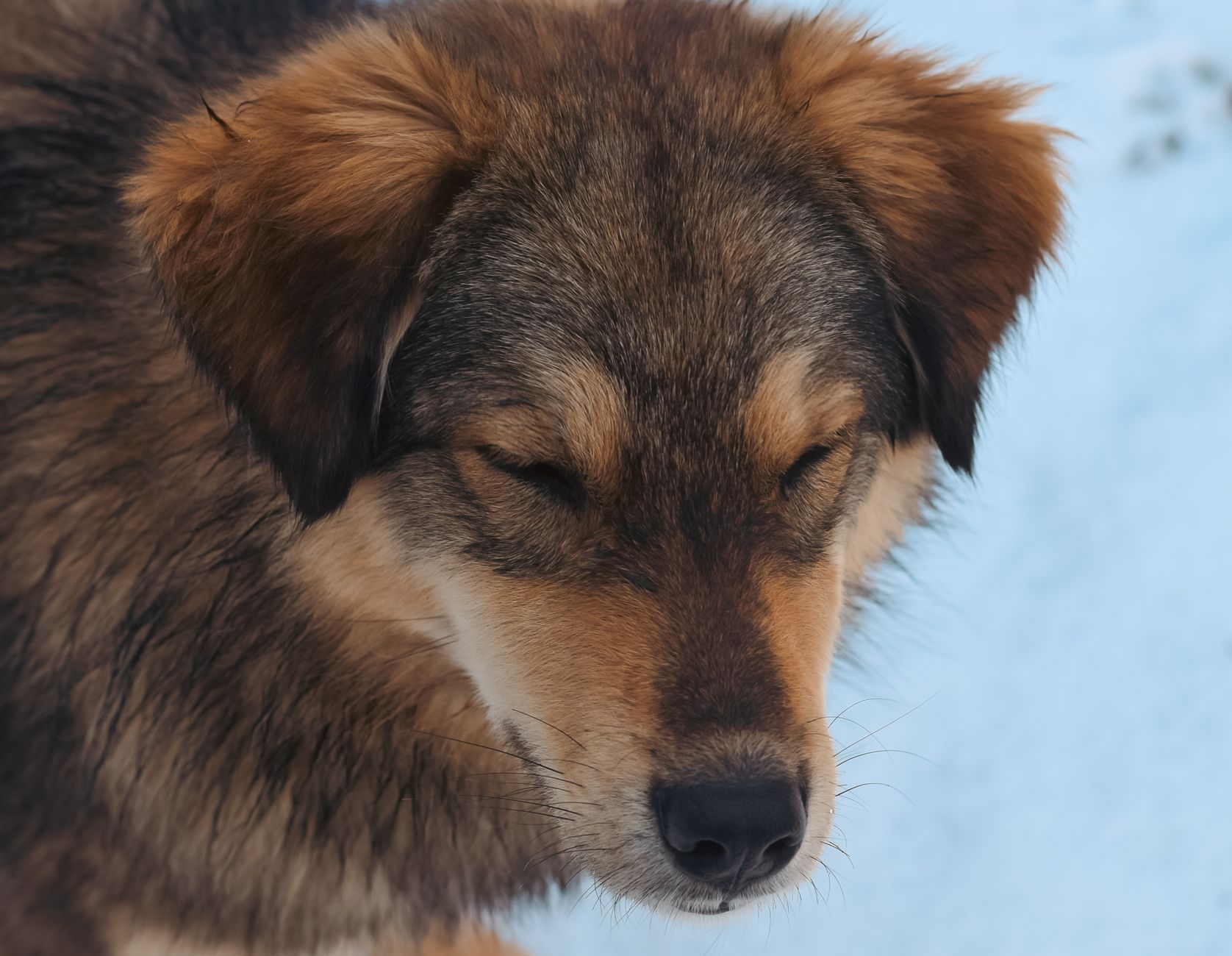
A dog that suddenly starts sneezing, coughing, or showing signs of low energy can make owners wonder whether their pet has caught a cold. While dogs can experience symptoms that look similar to a human cold, the cause is usually not the same illness people commonly experience.
Dogs can develop respiratory infections and other conditions that affect their airways, but understanding the difference between a minor issue and a more serious health problem is important for proper care.
Can Dogs Catch the Same Cold Humans Get?
In general, dogs do not catch ordinary human colds. The viruses responsible for most human colds are typically adapted to infect people rather than animals. This means a person with a runny nose or sore throat will usually not pass that same cold virus to their dog.
However, dogs have their own respiratory illnesses caused by different viruses, bacteria, and environmental factors. These conditions can create symptoms that appear similar to a human cold, even though they are caused by different sources.
Why a Dog May Show Cold-Like Symptoms
Sneezing or coughing does not always mean a dog has a simple cold. Several factors can affect a dog’s respiratory system, including infections, allergies, and irritants in the environment.
- Canine respiratory infections: Dogs can develop infections that affect the nose, throat, and lungs.
- Environmental irritation: Smoke, dust, cleaning chemicals, or strong fragrances can trigger coughing or sneezing.
- Allergies: Some dogs react to pollen, dust, or other allergens that may cause respiratory discomfort.
- Other medical conditions: Respiratory symptoms may sometimes be linked to issues that require professional evaluation.
Common Signs of a Respiratory Problem in Dogs
A dog’s symptoms should be considered together with their overall health and behavior. Mild symptoms may pass quickly, but persistent changes deserve attention.
| Symptom | Possible Concern |
|---|---|
| Sneezing | May be caused by irritation, allergies, or respiratory infection |
| Coughing | Can occur with airway irritation or infectious conditions |
| Runny nose | May indicate inflammation or infection |
| Reduced energy | Can suggest the dog is not feeling well |
| Difficulty breathing | Requires prompt veterinary attention |
Can Dogs Spread Colds to Humans?
Most common dog respiratory illnesses do not spread to humans, and most human colds do not spread to dogs. The viruses involved are usually species-specific, meaning they are adapted to certain animals.
Even so, good hygiene remains important. Washing hands after handling a sick pet, keeping food and water areas clean, and maintaining a healthy environment can help reduce the spread of various germs.
How to Help a Dog With Mild Cold-Like Symptoms
If a dog has mild symptoms but remains active, eating, and drinking normally, owners can provide supportive care while monitoring their condition.
- Ensure the dog has access to clean drinking water.
- Provide a comfortable and quiet place to rest.
- Avoid exposure to smoke, dust, and strong household scents.
- Observe whether symptoms improve or become worse over time.
Human cold medicines should not be given to dogs unless specifically recommended by a veterinarian. Many medications that are safe for people can be harmful to pets.
When Should You Contact a Veterinarian?
Some respiratory symptoms may indicate a condition that needs medical treatment. Veterinary advice is recommended if a dog experiences:
- Breathing difficulty
- A cough that continues or gets worse
- Loss of appetite
- Extreme tiredness or weakness
- Thick nasal discharge
- Symptoms that do not improve
Puppies, senior dogs, and pets with existing health problems may need extra attention because their bodies may not handle illness as easily.
Dog Cold vs Human Cold: Key Differences
| Category | Humans | Dogs |
|---|---|---|
| Main cause | Human-specific cold viruses | Canine respiratory infections, irritants, or other health issues |
| Can they usually spread between species? | No, common colds are generally species-specific | No, most dog respiratory illnesses affect dogs only |
| Similar symptoms | Sneezing, congestion, coughing | Sneezing, coughing, nasal discharge, reduced activity |
Final Thoughts
Dogs can become sick with respiratory problems that look like a cold, but they generally do not catch the same common cold viruses that affect humans. The important step is identifying what is causing the symptoms and watching for signs that the condition is becoming more serious.
Careful observation, a comfortable environment, and timely veterinary support when needed are the best ways to protect a dog’s respiratory health.