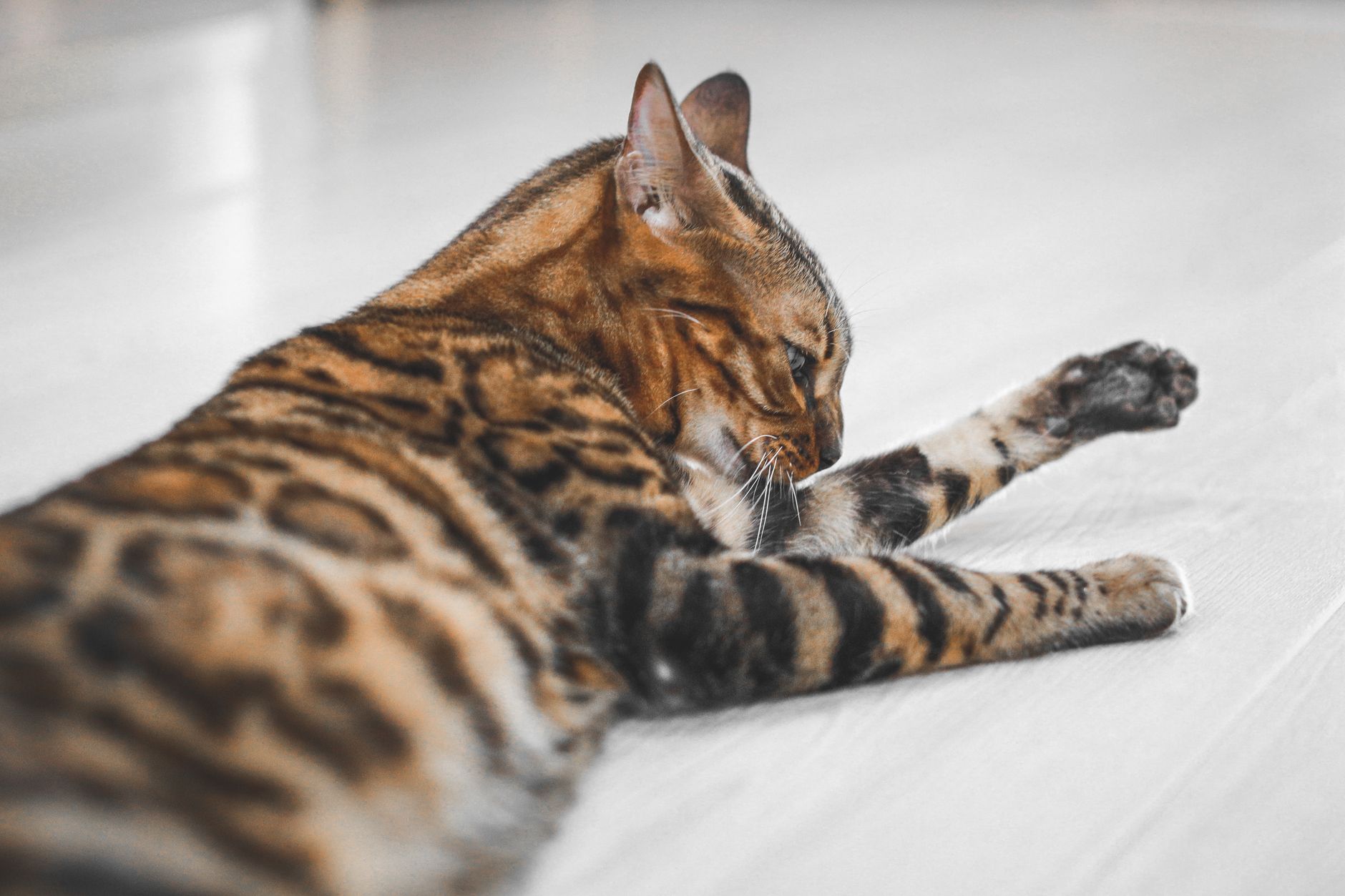
Bengal cats are known for their distinctive appearance, intelligence, and energetic personality. However, some regions place restrictions on owning them, leading many people to ask why a domestic cat breed would ever be considered illegal.
The reason is not simply the breed’s appearance. Regulations surrounding Bengal cats are usually connected to their ancestry, particularly the fact that early generations were created by crossing domestic cats with the Asian leopard cat, a small wild feline species. Some governments and local authorities have concerns about keeping animals with recent wild ancestry as household pets.
The Main Reason Some Areas Restrict Bengal Cats
Bengal cats were developed through breeding programs that combined domestic cats with Asian leopard cats. The goal was to create a cat with the appearance of a wild feline while maintaining a domestic temperament.
Because of this hybrid background, some jurisdictions classify certain Bengal cats differently from fully domestic breeds. The concern is usually focused on early-generation hybrids, which may retain more behaviors associated with their wild ancestors.
| Bengal Generation | Meaning | Why Regulations May Differ |
|---|---|---|
| F1 Bengal | First generation offspring of an Asian leopard cat and domestic cat | May have stronger wild traits and is more likely to face restrictions |
| F2–F4 Bengal | Later generations with more domestic ancestry | Some locations regulate these differently from earlier generations |
| F5 and later | Several generations removed from the wild ancestor | Often treated more like domestic cats, depending on local laws |
Are Bengal Cats Actually Dangerous?
A common misconception is that Bengal cats are banned because they are inherently aggressive. In reality, most restrictions are based on precaution, classification, and concerns about hybrid animals rather than evidence that all Bengal cats are dangerous.
Modern Bengal cats are generally bred for domestic environments. They can be affectionate, social, and highly interactive when properly raised. However, they are also known for being more active and demanding than many traditional cat breeds.
Their intelligence, athletic ability, and strong curiosity mean they often require more environmental enrichment, play opportunities, and mental stimulation than less active breeds.
Why Governments Regulate Hybrid Cat Breeds
Laws regulating Bengal cats are usually based on several concerns:
- Wild animal ancestry: Authorities may regulate animals that contain recent genetic links to wild species.
- Animal welfare: Some governments want to ensure that hybrid animals can be properly cared for in domestic settings.
- Public safety: Regulations may aim to reduce risks associated with keeping animals that could display unpredictable behaviors.
- Environmental concerns: Restrictions may address the possibility of abandoned animals affecting local ecosystems.
Where Are Bengal Cats Restricted?
Bengal cat ownership laws vary significantly between countries, states, provinces, and even cities. Some locations allow all Bengal cats, while others restrict only early generations.
In certain areas, owners may need permits, registration, or proof that the cat is several generations removed from its wild ancestor. Other places may prohibit ownership entirely.
Because regulations change over time, potential owners should check local animal ownership laws before purchasing or importing a Bengal cat.
What Makes Bengal Cats Different From Other Domestic Cats?
Even when legally allowed, Bengal cats are not always the right choice for every household. Their physical abilities and personality traits can require more commitment than a typical indoor cat.
- High energy levels and a strong need for play.
- Greater interest in climbing, exploring, and interactive activities.
- Strong problem-solving ability and curiosity.
- A tendency to become bored without enough stimulation.
- Potentially more vocal or demanding behavior.
These traits are not necessarily negative, but they mean Bengal cats often require owners who understand their needs.
How to Legally Own a Bengal Cat
Anyone considering a Bengal cat should research regulations before bringing one home. Important steps include:
- Checking local laws regarding hybrid cat ownership.
- Confirming the Bengal’s generation and breeding history.
- Obtaining permits if required.
- Choosing a responsible breeder who provides accurate lineage information.
- Preparing an environment suitable for an active and intelligent cat.
The Legal Status of Bengal Cats Depends on Location and Lineage
Bengal cats are not universally illegal. In many places, they are recognized as domestic pets, especially later-generation Bengals with a long history of domestic breeding.
Restrictions exist primarily because of their hybrid origins and the way different authorities classify animals with wild ancestry. Understanding the specific laws in your area and the individual cat’s lineage is the key to responsible ownership.
For prospective owners, the most important consideration is not only whether a Bengal cat is allowed, but whether they can provide the time, environment, and care needed for this unique breed.