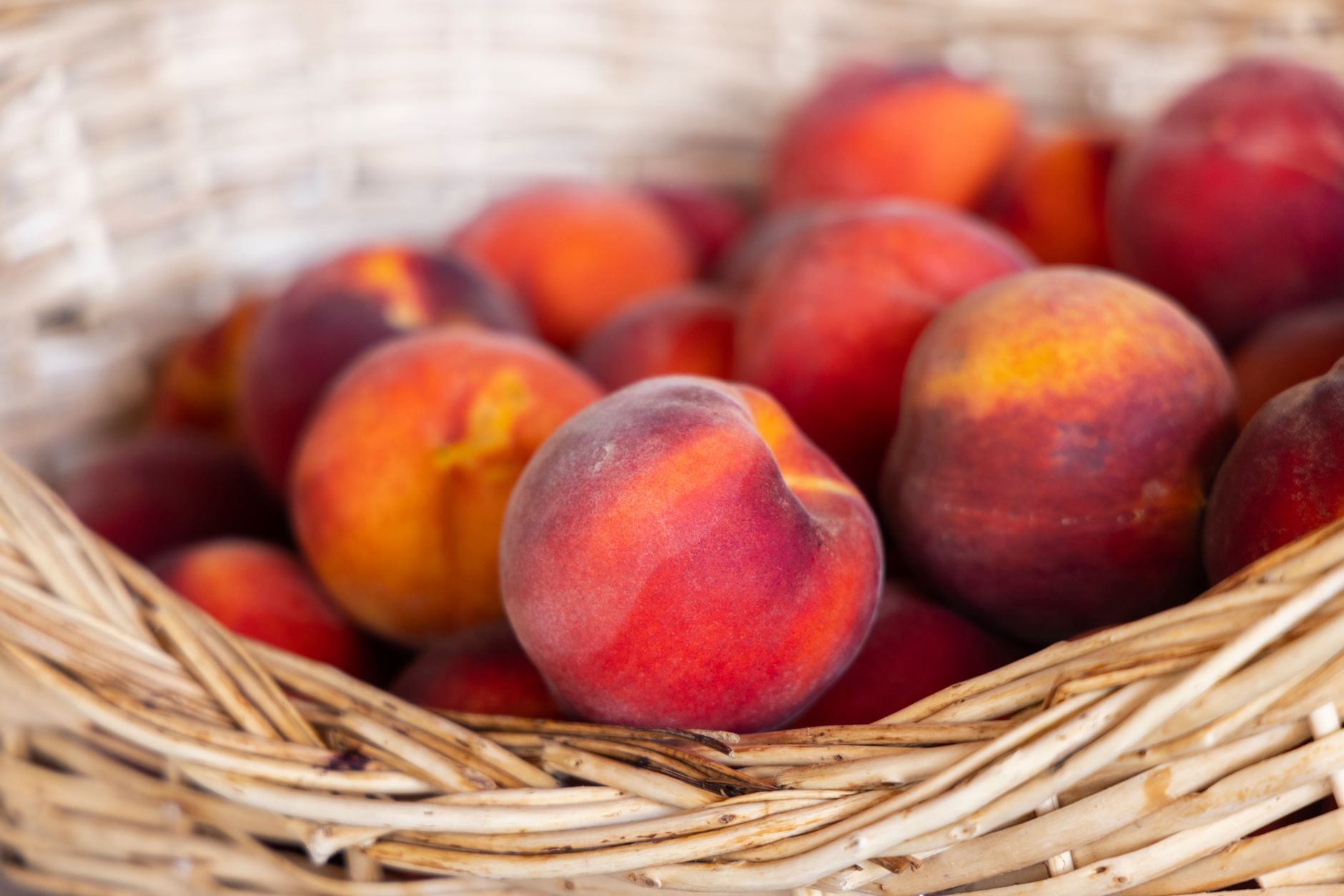
Peaches are a popular summer fruit for humans, but dog owners often wonder whether this sweet and juicy snack is safe to share with their pets. The answer is more complicated than simply saying yes or no. While parts of a peach can be a safe occasional treat, other parts may create health risks for dogs.
Understanding which parts of the fruit are safe, how much is appropriate, and what warning signs to watch for can help prevent unnecessary problems.
Dogs Can Eat Peach Flesh in Small Amounts
The soft flesh of a ripe peach is generally considered safe for many dogs when offered in moderation. Peaches contain water, fiber, and natural nutrients, which can make them an occasional refreshing treat.
However, peaches should not replace a balanced dog diet. Dogs have different nutritional requirements from humans, and most of their calories should come from food specifically designed to meet their needs.
The Peach Pit Is the Main Safety Concern
The biggest risk associated with peaches is the pit, also known as the stone. Dogs should never be allowed to chew or swallow peach pits because they can create several hazards.
- Choking risk: The pit can become lodged in a dog’s throat, especially in smaller breeds.
- Digestive blockage: If swallowed, the pit may become stuck in the digestive system and require veterinary attention.
- Toxic compounds: Peach pits contain compounds that can release cyanide when broken down, although serious poisoning is uncommon and usually associated with consuming significant amounts.
Always remove the pit completely before offering peach pieces to a dog.
How to Safely Give Peaches to Dogs
If you decide to give your dog peach as a treat, preparation matters. A few simple steps can reduce potential risks:
- Wash the peach thoroughly to remove dirt or surface residues.
- Remove the pit and any hard pieces around it.
- Cut the fruit into small, manageable pieces.
- Offer only a small amount, especially the first time.
Small pieces are easier for dogs to eat and reduce the chance of choking.
Too Much Peach Can Cause Digestive Problems
Although peach flesh is not generally harmful in small quantities, eating too much can upset a dog’s digestive system. Peaches contain natural sugar and fiber, which may contribute to stomach discomfort when consumed excessively.
Possible signs that a dog has eaten too much fruit include:
- Loose stool or diarrhea.
- Stomach discomfort.
- Gas or bloating.
- Reduced appetite.
Dogs with diabetes, weight concerns, or sensitive digestion may need additional caution because fruit contains natural sugars.
Peach Products Are Not Always Dog-Friendly
Fresh peach is different from many peach-flavored foods made for humans. Products such as canned peaches, peach desserts, or sweetened peach snacks may contain added sugar, syrups, preservatives, or other ingredients that are unsuitable for dogs.
A plain piece of fresh peach is a very different choice from processed peach-based foods.
What to Do If Your Dog Eats a Peach Pit
If a dog swallows a peach pit, the situation should be taken seriously. The level of concern depends on factors such as the dog’s size, the size of the pit, and whether the pit was chewed or swallowed whole.
Contacting a veterinarian is the safest option, especially if the dog shows symptoms such as:
- Vomiting.
- Lack of appetite.
- Abdominal pain.
- Lethargy.
- Difficulty passing stool.
Peaches Compared With Other Fruits for Dogs
| Fruit | General Safety Consideration |
|---|---|
| Peach | Flesh may be given occasionally after removing the pit. |
| Apple | Safe when seeds and core are removed. |
| Grapes | Should be avoided because they can be dangerous for dogs. |
| Blueberries | Often used as a small fruit treat for dogs. |
The Bottom Line for Dog Owners
Dogs can eat peach flesh as an occasional treat, but only when it is prepared correctly. The pit is the part that creates the greatest danger, and excessive amounts of peach can lead to digestive issues.
Like any new food, peaches should be introduced gradually while observing how your dog responds. A safe treat is not only about the ingredient itself, but also about preparation, portion size, and your dog’s individual health condition.