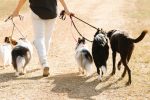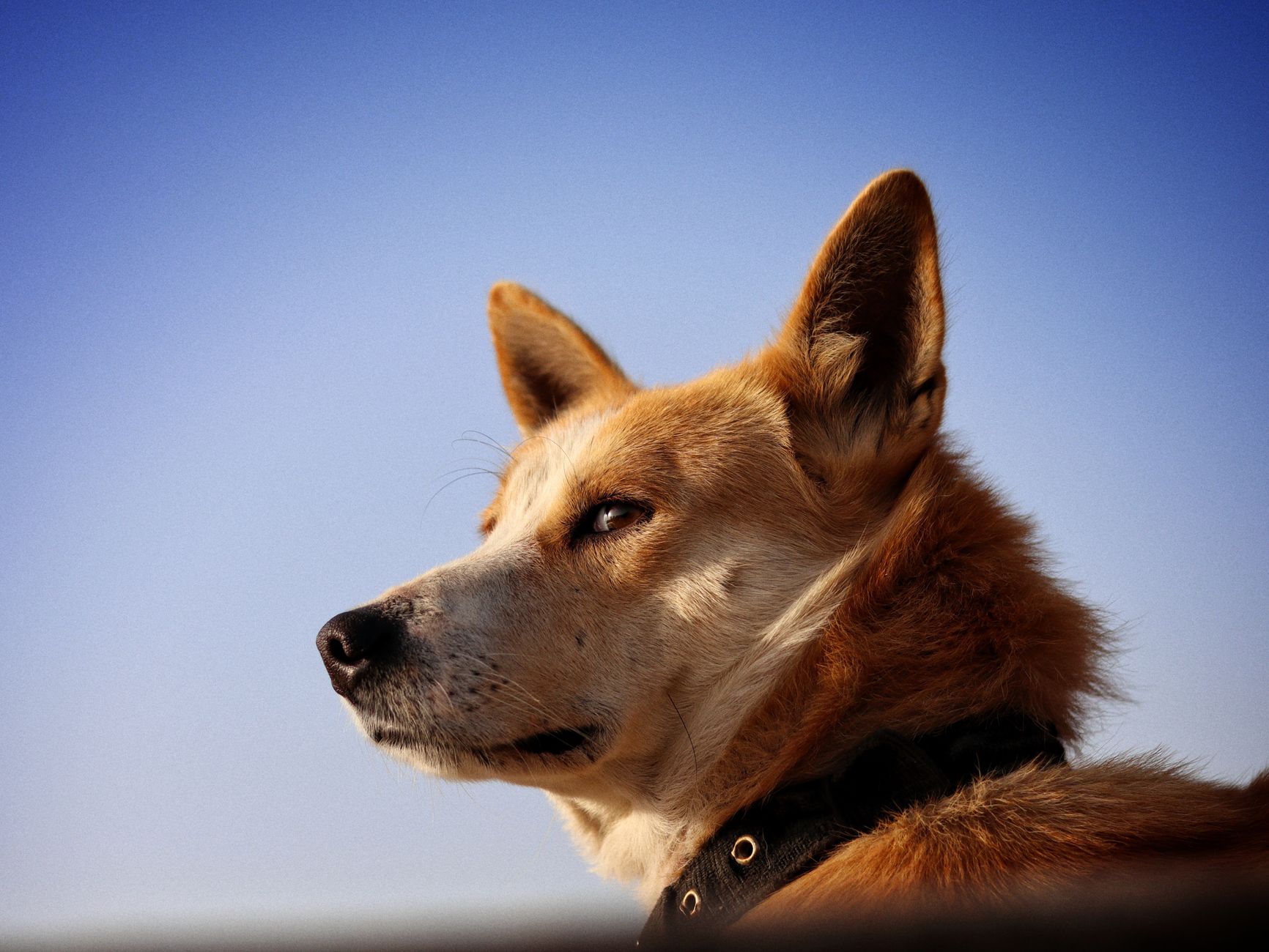
Every domestic dog, from a small apartment companion to a working farm dog, carries a history that began thousands of years ago. Dogs did not appear suddenly as pets; they developed through a long process of interaction between humans and ancient wolf populations.
The story of where dogs come from explains why modern breeds have such different appearances, behaviors, and abilities while still sharing a common ancestry. Their evolution is one of the most significant examples of cooperation between humans and another species.
The Ancient Connection Between Dogs and Wolves
Modern dogs are descendants of ancient wolves. Scientists classify domestic dogs as Canis lupus familiaris, a close relative of the gray wolf. Although dogs today can look very different from wolves, they still share many biological similarities.
The transformation from wolf to dog happened gradually over many generations. Early humans did not create modern dogs through a single event; instead, a long relationship developed between humans and certain wolf populations that were able to live near people.
How Wild Wolves Became Domesticated
Thousands of years ago, human settlements created new opportunities for some wolves. Food leftovers near camps attracted animals that were willing to approach human environments.
Wolves that were less aggressive and more comfortable around humans may have been more successful in these surroundings. Over time, humans and these early domesticated wolves formed a relationship where both sides benefited.
- Humans gained animals that could help detect threats and assist with hunting.
- Wolves gained a more reliable source of food and protection.
- Future generations inherited traits that made them better adapted to living alongside humans.
Through this gradual process, these early dogs became increasingly different from their wild ancestors.
A Long History of Selective Breeding
After dogs became domesticated, humans began selecting animals with specific characteristics. This process eventually created the wide variety of dog breeds seen today.
| Purpose | Traits Humans Selected |
|---|---|
| Hunting | Tracking ability, speed, endurance, and strong senses. |
| Herding | Intelligence, responsiveness, and ability to control livestock. |
| Protection | Alertness, confidence, and guarding instincts. |
| Companionship | Social behavior, adaptability, and comfort around people. |
These breeding choices changed the physical appearance and behavior of dogs, but all breeds remain connected through their shared ancestry.
Why Modern Dogs Look So Different
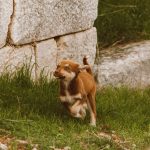
A Chihuahua and a Great Dane may appear unrelated, but they are both products of selective breeding. Humans influenced traits such as body size, coat type, temperament, and working abilities according to different needs.
Breed characteristics can provide useful information about a dog’s tendencies, but they do not completely determine personality. Training, environment, genetics, and individual experiences also play important roles in shaping behavior.
The Special Relationship Between Humans and Dogs
Dogs became unique among domesticated animals because their relationship with humans developed beyond practical work. Over thousands of years, dogs evolved strong social abilities that allow them to communicate and cooperate with people.
Their ability to recognize human gestures, respond to training, and form emotional connections helped dogs become valued companions in many cultures around the world.
Are Dogs Still Connected to Their Wild Ancestors?
Yes. Dogs still share genetic links with wolves, but domestication has significantly changed their behavior. Domestic dogs generally rely more on humans and have adapted to environments created by people.
Even dogs that resemble wolves physically are not the same as wild wolves. Generations of domestication have shaped dogs into animals that are better suited for living alongside humans.
What Dog Origins Tell Us About Their Behavior
Understanding canine history can help owners better interpret common behaviors. Activities such as digging, chasing, barking, protecting territory, and seeking social contact are connected to traits inherited from their ancestors.
A dog’s natural instincts are not simply habits that need to be removed. With proper training and enrichment, these behaviors can be managed and directed in healthy ways.
From Wolves to Beloved Pets
The origin of dogs is a story of adaptation, cooperation, and thousands of years of shared development with humans. What began as an interaction between early people and wild wolves eventually created one of the closest animal partnerships in history.
Today’s dogs may differ greatly in size, appearance, and purpose, but every breed remains part of the same remarkable journey from wild ancestor to trusted companion.