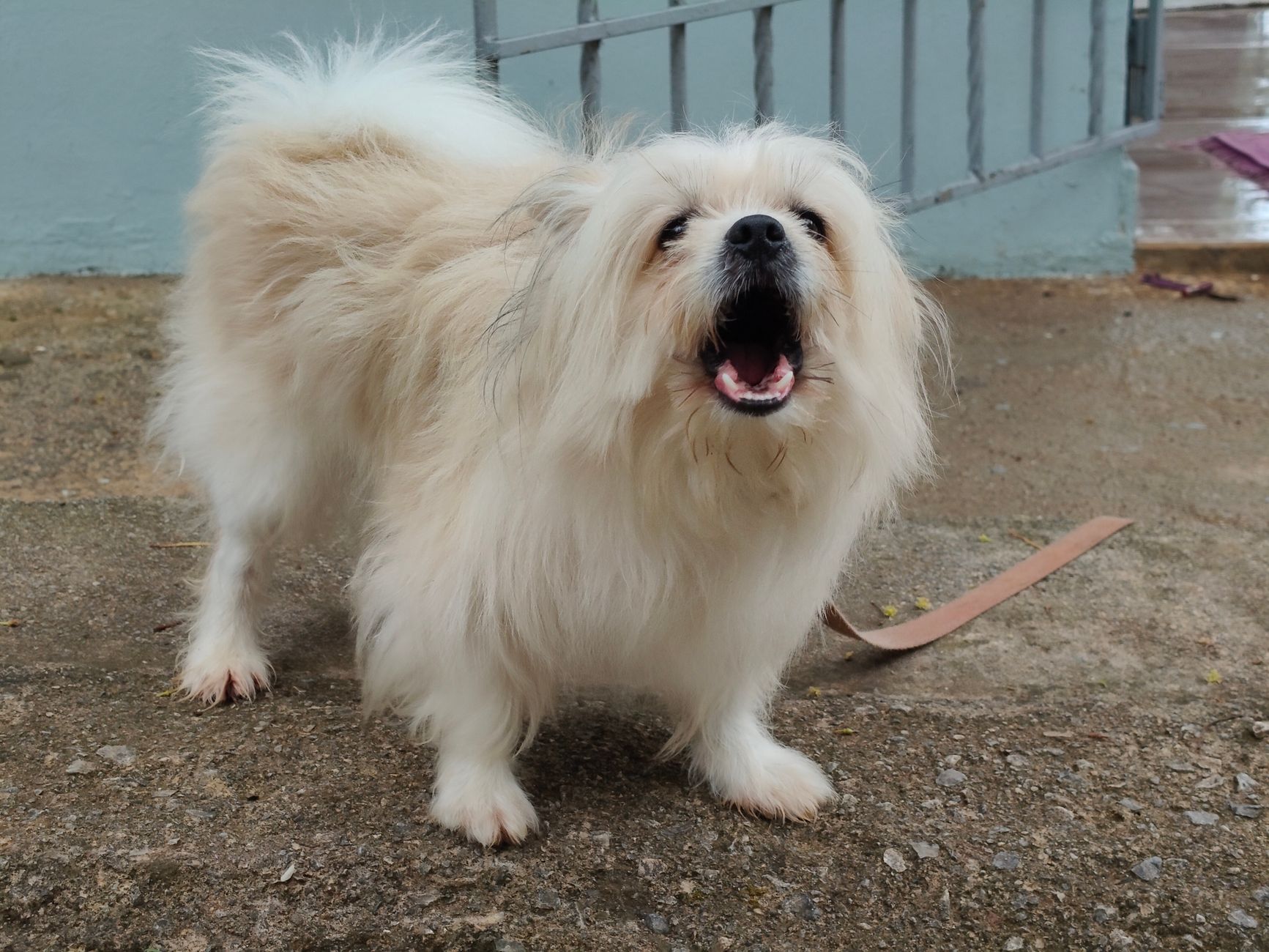
Barking is a normal part of puppy communication. Young dogs use their voices to express excitement, curiosity, fear, boredom, or a need for attention. The challenge for owners is not to eliminate barking completely, but to help puppies learn when barking is appropriate and when quiet behavior is expected.
Because puppies are still developing habits, early training can make a significant difference. Consistent guidance, proper socialization, and understanding the reason behind the barking are more effective than simply trying to stop the noise.
Understand Why Your Puppy Is Barking
Puppies rarely bark without a reason. Before correcting the behavior, identify what is causing the reaction. Different triggers require different training methods.
| Cause of Barking | What It Looks Like | Training Approach |
|---|---|---|
| Seeking attention | Barking when ignored or wanting play | Reward quiet moments instead of responding to barking |
| Excitement | Barking during greetings, play, or new experiences | Practice calm responses before rewarding interaction |
| Fear or uncertainty | Barking at unfamiliar people, sounds, or objects | Build confidence through gradual exposure |
| Boredom | Repeated barking when alone or inactive | Increase physical and mental stimulation |
Teach Your Puppy That Quiet Behavior Gets Attention
Puppies quickly learn which behaviors produce results. If barking causes people to talk, look at them, pick them up, or provide playtime, the puppy may understand barking as a successful way to communicate.
Instead, reinforce calm behavior. When the puppy stops barking and becomes quiet, reward that moment with praise, treats, or attention. This helps create an association between being calm and receiving positive outcomes.
Consistency is important. If barking sometimes receives attention and sometimes does not, the puppy may continue testing the behavior because the result is unpredictable.
Create a Routine That Helps Puppies Settle Down
Puppies often struggle with self-control because they have high energy and limited experience managing excitement. A predictable daily routine can help them understand when it is time to play and when it is time to rest.
- Maintain regular feeding and sleeping schedules.
- Provide daily play and exercise suitable for the puppy’s age.
- Include quiet periods after active play.
- Give the puppy a comfortable resting space.
A puppy that never learns how to relax may continue searching for stimulation through barking and other attention-seeking behaviors.
Use Training Commands to Build Self-Control
Teaching simple commands can help puppies develop better emotional control. Commands such as “quiet,” “sit,” or “stay” give the puppy an alternative behavior to perform instead of barking.
- Wait for a natural pause in barking.
- Introduce a consistent command word.
- Reward the puppy immediately when it becomes quiet.
- Repeat the exercise in different situations.
Training should be short and positive. Puppies have limited attention spans, so frequent practice sessions are usually more effective than long sessions.
Prevent Barking Caused by Excess Energy
Many puppies bark simply because they need more appropriate outlets for their energy. Physical activity helps, but mental stimulation is equally important.
- Short walks appropriate for the puppy’s development stage.
- Basic obedience training exercises.
- Puzzle toys and problem-solving activities.
- Safe socialization with different environments and experiences.
However, excessive activity without enough rest can also make some puppies more excited. The goal is balance, not constant stimulation.
Manage Situations That Trigger Repeated Barking
Puppies often develop barking habits around predictable events, such as seeing people outside, hearing the doorbell, or meeting visitors. Managing these situations while training can prevent the habit from becoming stronger.
- Limit access to areas where outside activity causes constant barking.
- Redirect attention before the puppy becomes overly excited.
- Reward calm behavior around new people and sounds.
- Introduce new experiences gradually.
Avoid Mistakes That Can Make Barking Worse
Some responses may unintentionally increase barking. Puppies do not always understand human frustration, and harsh reactions can create fear or confusion.
- Do not yell repeatedly: loud responses may add excitement rather than reduce it.
- Do not reward barking accidentally: attention can reinforce the behavior.
- Do not expect immediate results: puppies need repetition to develop habits.
- Do not isolate the puppy as the only solution: training and guidance are needed.
When Puppy Barking May Need Extra Support
Excessive barking can sometimes be connected to anxiety, fear, or difficulty adapting to new situations. If a puppy shows extreme distress, destructive behavior, or persistent vocalization despite consistent training, professional guidance from a veterinarian or qualified dog trainer may be helpful.
Building a Well-Adjusted Adult Dog Starts Early
Puppy barking is a normal developmental behavior, but early training teaches important communication skills. By identifying triggers, rewarding calm behavior, providing appropriate stimulation, and maintaining consistency, owners can help puppies learn better control.
The goal is not a silent dog. A healthy relationship comes from teaching a puppy how to express itself while also understanding when calm behavior is needed.