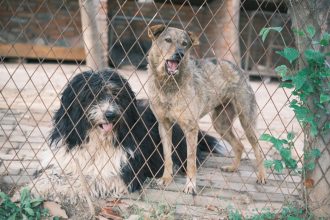
Identifying a dog’s breed can be more complicated than simply comparing appearance with pictures online. Many dogs share similar physical traits, and mixed-breed dogs can inherit characteristics from several different lineages. Understanding your dog’s breed or breed mix can provide useful information about behavior, exercise needs, grooming requirements, and potential health considerations.
While some dogs have obvious breed characteristics, others require a closer look at physical features, personality traits, history, and sometimes genetic testing to determine their background.
Why Knowing Your Dog’s Breed Can Be Useful
A dog’s breed does not completely determine its personality, but breed information can help owners understand common tendencies and prepare for their pet’s needs.
- Exercise requirements: Some breeds are naturally more energetic and may need more physical activity.
- Grooming needs: Coat type and growth patterns influence how often a dog requires brushing or professional grooming.
- Training approach: Different breeds may respond differently to training methods depending on their historical roles and instincts.
- Health awareness: Certain breeds may have increased risks for specific health conditions.
Start With Your Dog’s Physical Characteristics
The first step in identifying a dog’s breed is observing its appearance. Physical traits can provide clues, although they are not always enough for an exact identification.
| Feature | What It May Reveal |
|---|---|
| Size and body shape | Can indicate whether a dog belongs to a small, medium, or large breed group. |
| Coat type | Fur length, texture, and shedding patterns may provide breed clues. |
| Ears and tail | Shape and position can be common characteristics of certain breeds. |
| Face structure | Muzzle length, head shape, and facial features may help narrow possibilities. |
Look Beyond Appearance: Behavior Can Provide Clues
A dog’s behavior can sometimes reflect traits associated with its ancestry. For example, dogs developed for herding may show tendencies to control movement, while hunting breeds may demonstrate strong interest in tracking scents.
However, behavior alone should not be used as proof of breed. A dog’s environment, training, social experiences, and individual personality have a major influence on how it acts.
Common Signs of Different Breed Groups
Instead of focusing only on specific breeds, looking at broader breed groups can make identification easier.
- Working dogs: Often have strong bodies and may enjoy activities involving tasks, movement, or problem-solving.
- Herding dogs: May show high intelligence, alertness, and interest in controlling movement.
- Sporting dogs: Often have energy, endurance, and strong interest in retrieving or outdoor activities.
- Toy breeds: Usually smaller in size and often bred primarily for companionship.
- Terrier breeds: May display confidence, curiosity, and strong hunting instincts.
Why Breed Identification Is Difficult for Mixed Dogs
Many dogs today are mixed breeds, making visual identification challenging. A dog may inherit physical traits from one breed while showing behavioral characteristics from another.
Two dogs with similar appearances may have very different genetic backgrounds. Likewise, a mixed-breed dog may not closely resemble either of its parent breeds.
Using DNA Tests to Learn More About Your Dog
DNA testing is one method owners use to learn about a dog’s ancestry. These tests analyze genetic information and compare it with known breed patterns.
Genetic testing can provide additional insight, but results should be viewed as information rather than a complete explanation of a dog’s personality or future health. A dog’s environment and individual experiences remain important factors.
Questions to Ask When Trying to Identify Your Dog
- Where did the dog come from?
- What are its most noticeable physical traits?
- How large is the dog compared with typical breed sizes?
- What behaviors appear naturally without training?
- Does the dog have characteristics common to certain breed groups?
The Best Way to Understand Your Dog
Knowing a dog’s breed can be helpful, but it should not become the only way to understand the animal. Every dog has its own personality, habits, and needs regardless of ancestry.
The most accurate understanding comes from combining breed information with observation of the individual dog. Paying attention to behavior, health, preferences, and daily routines often provides more practical value than breed identification alone.