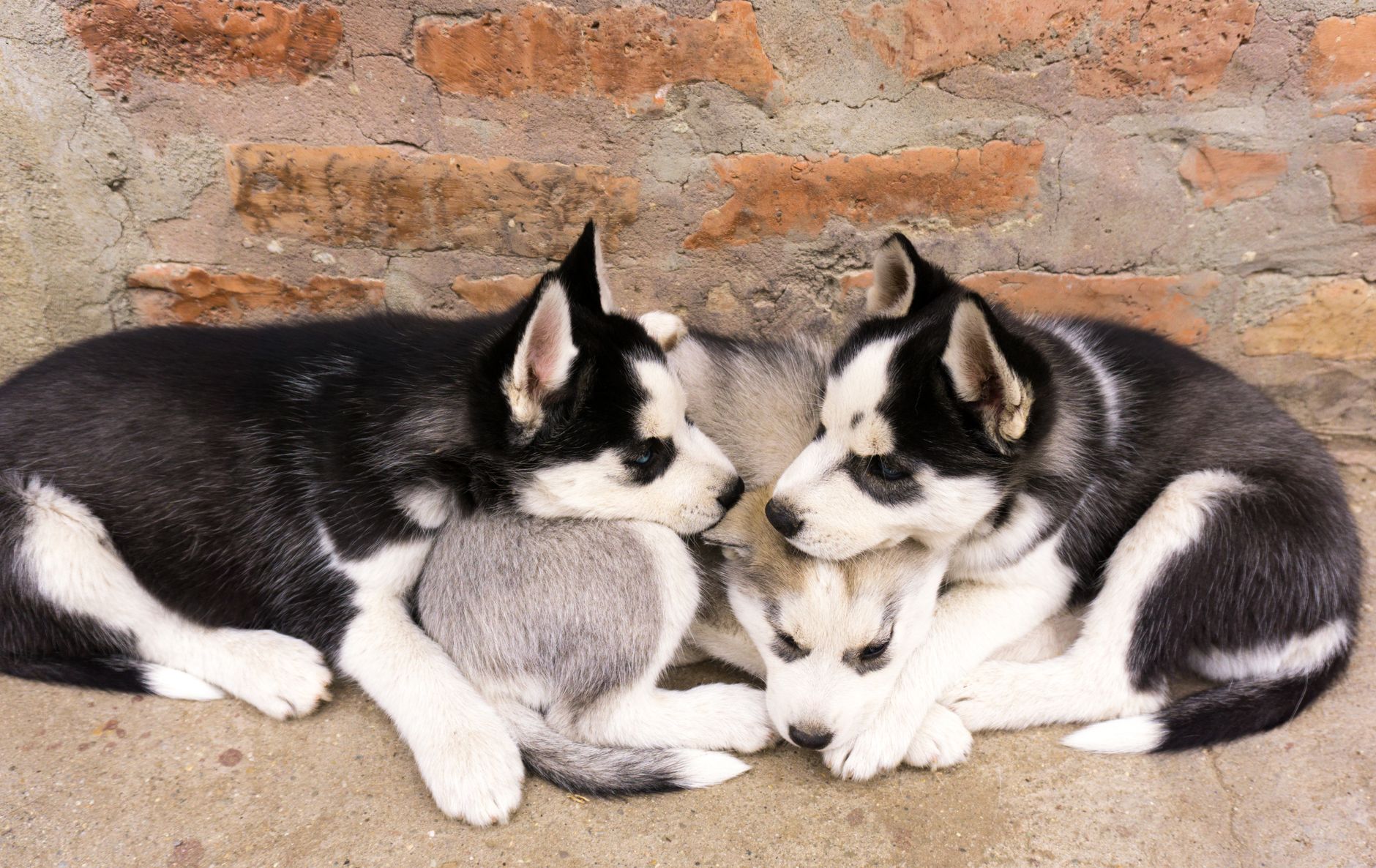
Identifying a dog breed is not always as simple as matching a photo to a list of breed names. Many dogs share similar physical features, and mixed-breed dogs can inherit traits from several different lineages. A more accurate identification process involves looking at multiple characteristics, including body structure, coat, behavior, and history.
Whether you are trying to identify a dog you found, understand your own pet better, or learn about different breeds, examining the right details can provide useful clues without relying only on appearance.
Start With Physical Characteristics
A dog’s appearance provides the first set of clues, but individual traits should be considered together rather than separately. One feature alone rarely confirms a breed.
| Feature to Observe | What It Can Reveal |
|---|---|
| Size and body shape | Can indicate whether a dog belongs to small, medium, or large breed groups and provide clues about its historical purpose. |
| Coat type | Length, texture, shedding patterns, and grooming needs often vary between breeds. |
| Ears and tail | The shape and position of ears or tail carriage may help distinguish certain breed groups. |
| Face structure | Muzzle length, head shape, and facial proportions can provide additional identification clues. |
| Color and markings | Patterns may be common in certain breeds but are rarely enough to identify a breed by themselves. |
Behavior Can Provide Additional Clues
A dog’s behavior often reflects the traits it was originally bred for. While personality differs between individual dogs, certain tendencies appear more frequently in specific breed groups.
- Herding breeds: may show strong awareness of movement and a tendency to control or organize activity.
- Hounds: may display strong scent-tracking abilities or independence.
- Working breeds: often show confidence, focus, and a willingness to perform tasks.
- Sporting breeds: commonly have high activity levels and enjoy retrieving or outdoor activities.
- Terriers: may be energetic, alert, and determined.
Behavior alone cannot prove a breed, but it can help narrow possibilities when combined with physical observations.
Why Breed Identification Can Be Difficult
Modern dogs come from thousands of years of selective breeding, and many dogs today are mixed breeds. A mixed-breed dog may have the appearance of one breed while carrying genetic traits from several others.
Environmental factors also influence how a dog looks and behaves. Nutrition, health, training, age, and living conditions can affect body condition, coat quality, and temperament.
Using Photos to Identify a Dog
When identifying a dog from a picture, the quality and angle of the image matter. A single photograph may hide important features needed for comparison.
More useful observations include:
- Full-body views showing overall proportions.
- Clear images of the head, ears, and muzzle.
- Photos showing coat texture and markings.
- Information about the dog’s size, age, and behavior.
Even with detailed images, visual identification should be considered an estimate rather than a guaranteed result.
DNA Testing Provides More Detailed Information
For owners who want a more scientific approach, dog DNA testing can provide information about genetic ancestry. These tests analyze genetic markers to estimate breed composition and may also provide information related to inherited traits.
However, DNA results should be interpreted carefully. Different testing services may use different databases and methods, so results can vary.
Questions That Help Narrow Down a Breed
If you are trying to identify a dog, collecting additional details can make the process more accurate. Useful questions include:
- How large is the dog compared with other dogs?
- What type of coat does it have?
- How much exercise does it seem to need?
- Does it show behaviors associated with hunting, guarding, or herding?
- Is there any known information about its parents or background?
The Breed Is Only Part of the Story
Knowing a dog’s breed can help owners understand possible traits, grooming requirements, and activity needs. However, breed does not completely determine personality. Each dog develops its own behavior through genetics, training, experiences, and environment.
The most useful approach is to combine breed clues with an understanding of the individual dog. Whether purebred or mixed breed, a dog’s health, temperament, and relationship with its owner are often more important than its exact classification.