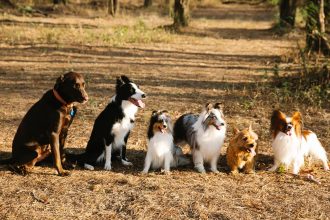
The best dog breed is not necessarily the most popular, the cutest, or the one that appears most often on social media. A successful relationship between a person and a dog depends on whether their lifestyles, expectations, and daily routines are compatible.
Before choosing a dog, it is important to look beyond appearance and consider factors such as activity level, living space, grooming requirements, temperament, and the amount of time you can dedicate to training and companionship. The right match benefits both the owner and the dog.
Start by Understanding Your Own Lifestyle
Every dog has different needs. Some breeds require hours of exercise and mental stimulation each day, while others are better suited for quieter households. Choosing a breed that does not match your routine can lead to frustration for both sides.
Consider these questions before deciding:
- How much time can you spend exercising and interacting with your dog?
- Do you live in an apartment or a home with outdoor space?
- Are you comfortable with regular grooming and maintenance?
- Do you have previous experience training dogs?
- Are you looking for an energetic activity partner, a family companion, or a calm household pet?
Dog Breeds Based on Different Owner Profiles
For People With an Active Lifestyle
Owners who enjoy outdoor activities may prefer dogs with higher energy levels. These breeds often enjoy walking, running, training exercises, and activities that challenge them physically and mentally.
- Border Collie: Known for intelligence and problem-solving ability. This breed often needs consistent mental stimulation and structured activities.
- Australian Shepherd: An energetic breed that typically thrives when given tasks, training, or outdoor activities.
- Labrador Retriever: A social and active breed that often enjoys participating in family activities.
These dogs may not be the best choice for owners who spend most of their time away from home or cannot provide regular exercise.
For Families Looking for a Companion
Families often need dogs that are adaptable, social, and comfortable around different people. However, individual temperament, training, and early socialization remain important regardless of breed.
- Golden Retriever: Often associated with a gentle and cooperative temperament.
- Labrador Retriever: Commonly chosen for its social nature and ability to participate in family routines.
- Beagle: A smaller breed known for curiosity and an energetic personality.
For Apartment Owners
A small living space does not automatically rule out dog ownership. The key factors are the dog’s exercise needs, barking habits, and ability to adapt indoors.
- French Bulldog: Generally has lower exercise requirements compared with many high-energy breeds.
- Cavalier King Charles Spaniel: Often enjoys close human companionship and indoor environments.
- Pug: Usually prefers spending time with its owner and can adapt well to indoor living.
Energy Level Is One of the Most Important Factors
A common mistake among new dog owners is choosing a breed based only on size. A small dog may still have high energy, while a larger dog may be calm and relaxed indoors.
| Energy Level | Suitable Owner Type | Common Characteristics |
|---|---|---|
| High energy | Active owners with time for exercise | Needs physical activity and mental challenges |
| Moderate energy | Families and balanced households | Enjoys activity but can relax at home |
| Lower energy | Owners seeking calmer companionship | Usually prefers shorter activities and more relaxation |
Consider Grooming and Health Responsibilities
A dog’s appearance can affect the amount of care required. Long-haired or curly-coated breeds may require frequent brushing and professional grooming, while short-haired breeds may have simpler coat maintenance.
Potential owners should also consider common breed-related health concerns, veterinary expenses, and the long-term commitment involved in caring for a dog.
Training Needs Should Match Your Experience
Some breeds are highly responsive to training, while others may require more patience and consistency. A dog’s intelligence does not always mean it is easy to train; some intelligent breeds can become challenging when they lack structure or stimulation.
- Dogs that enjoy working with people often respond well to structured training.
- Independent breeds may require owners who are comfortable with patient, consistent methods.
- Social breeds often need regular interaction to remain confident and well-adjusted.
Mixed-Breed Dogs Can Also Be the Right Choice
Breed information can provide useful guidance, but it does not determine every dog’s personality. Mixed-breed dogs can have excellent temperaments and may be a great fit depending on their individual behavior and background.
Meeting a dog personally, observing its behavior, and understanding its needs are often just as important as knowing its breed.
A Better Match Creates a Better Relationship
The ideal dog breed is the one that fits naturally into your life. A mismatch between a dog’s needs and an owner’s ability to provide care can create unnecessary stress, while the right match can lead to a stronger and healthier bond.
Researching breeds, evaluating your daily routine, and considering the responsibilities of ownership are the most reliable steps toward finding a dog that truly suits you.