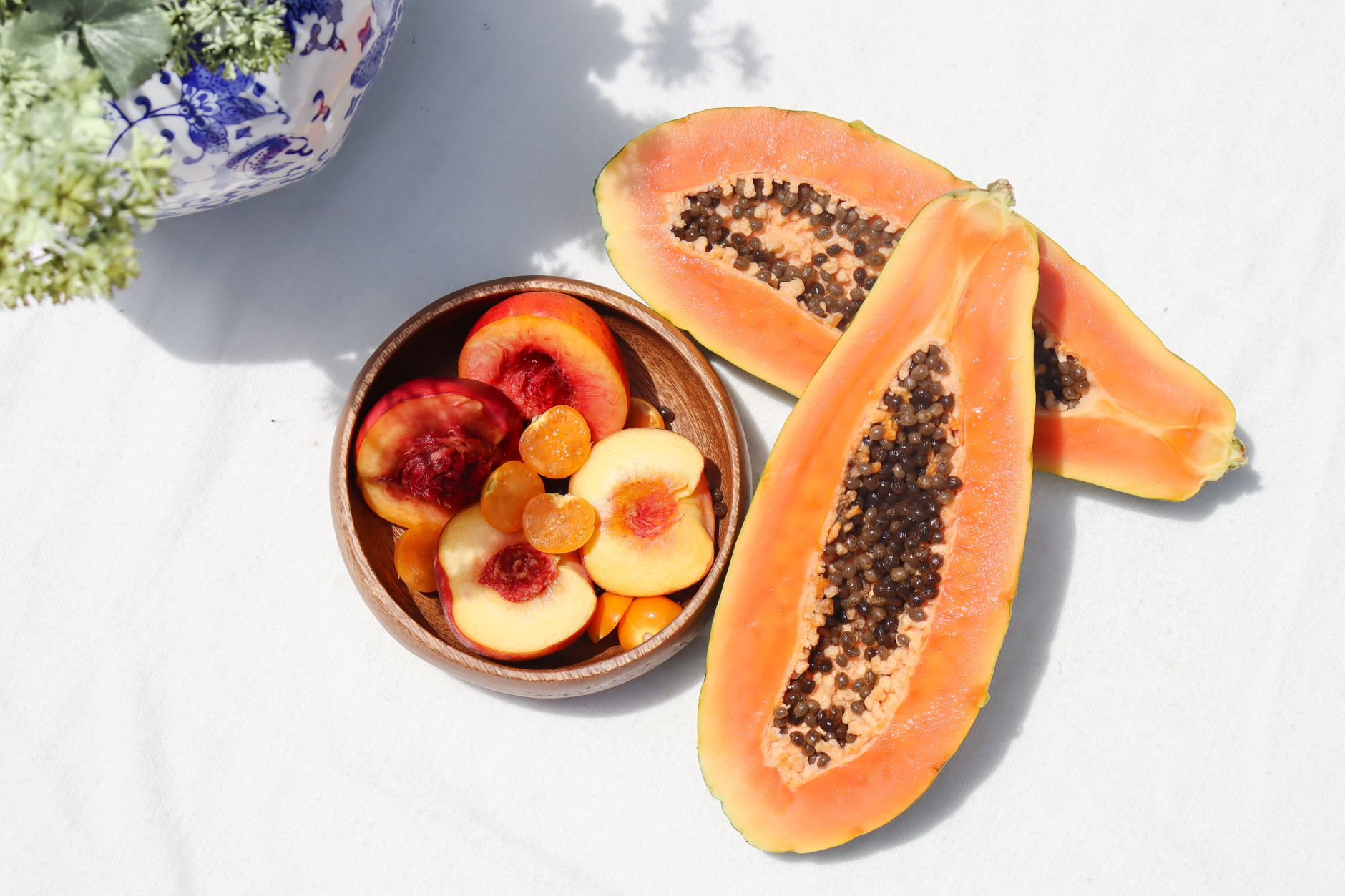
Many dogs are curious about the foods their owners eat, including sweet summer fruits such as peaches and nectarines. While these fruits may seem like harmless treats, they require some preparation before they are suitable for dogs. The edible fruit portion can be acceptable in moderation, but certain parts of the fruit can create health risks.
Before sharing peaches or nectarines with a dog, owners should understand which parts are safe, how much is appropriate, and what warning signs to watch for after introducing a new food.
The Flesh of Peaches and Nectarines Can Be an Occasional Treat
The soft flesh of peaches and nectarines is generally considered safe for most healthy dogs when given in small quantities. These fruits contain water, fiber, and natural vitamins, which can make them a refreshing snack option.
However, fruit should only represent a small part of a dog’s overall diet. Dogs require balanced nutrition from their regular food, and excessive fruit consumption can add unnecessary sugar and calories.
The Biggest Risk Is the Stone Inside the Fruit
Peaches and nectarines both contain a hard pit, also called a stone. This part of the fruit should never be given to dogs because it can create serious problems.
- Choking hazard: The pit can become lodged in a dog’s throat, especially in smaller breeds.
- Intestinal obstruction: If swallowed, the pit may block the digestive system and require medical treatment.
- Possible toxicity: Stone fruits contain compounds in their pits that can release cyanide when damaged or broken down.
Even dogs that appear capable of chewing hard objects should not be allowed to play with or consume peach or nectarine pits.
How to Prepare Peaches and Nectarines for Dogs
Safe preparation is the most important step when offering these fruits. A few simple precautions can reduce the chance of digestive issues or accidental exposure to harmful parts.
- Wash the fruit to remove dirt and surface contaminants.
- Remove the entire pit before giving any portion to the dog.
- Cut the fruit into small pieces that are easy to chew.
- Offer only a limited amount as an occasional treat.
Dogs that have never eaten peaches or nectarines should receive only a small portion initially. New foods can sometimes cause stomach upset, even when they are not toxic.
Peaches vs Nectarines: Are They Different for Dogs?
From a safety perspective, peaches and nectarines are very similar for dogs. Both are stone fruits, meaning the main concern is the pit rather than the fruit itself.
| Fruit | Safe Portion | Main Concern |
|---|---|---|
| Peach flesh | Small pieces occasionally | The pit must be removed |
| Nectarine flesh | Small pieces occasionally | The pit must be removed |
| Peach or nectarine pit | Not safe | Possible choking, blockage, and toxicity risks |
Signs Your Dog May Not Tolerate These Fruits
Although many dogs can eat small amounts of peach or nectarine without problems, some may experience digestive discomfort. Owners should monitor their pets after introducing any unfamiliar food.
- Loose stool or diarrhea
- Vomiting
- Reduced appetite
- Signs of stomach discomfort
- Changes in normal behavior
If a dog swallows a pit or shows concerning symptoms, contacting a veterinarian is the safest course of action.
Should Dogs Eat Canned Peaches or Nectarines?
Processed fruit products are usually not ideal choices for dogs. Canned peaches and nectarines often contain added sugars, syrups, or other ingredients that provide no benefit to pets and may contribute to unhealthy weight gain or digestive problems.
Fresh fruit prepared without additional ingredients is a better option if an owner chooses to offer a small treat.
When Fruit Treats May Not Be Appropriate
Not every dog should receive fruit regularly. Dogs with weight management concerns, diabetes, sensitive digestion, or specific dietary restrictions may need closer control over treats.
In these situations, a veterinarian can help determine which foods fit the dog’s individual health needs.
Final Thoughts
Dogs can usually eat small amounts of peach or nectarine flesh, provided the fruit is properly prepared and the pit is completely removed. The key issue is not the fruit itself, but the hidden risks associated with the stone and overfeeding.
Used occasionally and responsibly, these fruits can be a safe way to add variety to a dog’s treats. However, they should remain a minor addition to a diet designed around complete and balanced dog nutrition.