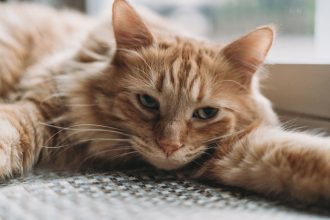
Your cat peed on your bed because of stress, medical issues, scent-seeking behavior, or litter box problems. Beds smell strongly like their owners, feel safe, and absorb urine easily, making them a common target when something is wrong.
Why the Bed Is a Common Target
Cats do not pee on beds out of spite. The bed offers comfort and strong scent cues.
Main Reasons Cats Choose Beds
- Strong owner scent: The bed smells like safety.
- Soft, absorbent surface: Easy to urinate on.
- Emotional comfort: Stress drives cats to familiar areas.
Medical Reasons Cats Pee on Beds
Medical issues are the most urgent cause. Pain or urgency forces cats to urinate where they are.
Common Medical Causes
- Urinary tract infections (UTIs)
- Bladder stones or crystals
- Kidney disease
Signs the Problem Is Medical
Medical urination often appears suddenly.
Warning Symptoms
- Frequent trips to the litter box
- Crying while urinating
- Blood in urine
Stress and Anxiety as a Major Cause
Stress is one of the most common reasons cats pee on beds. Cats respond physically to emotional distress.
Common Stress Triggers
- New pets or people
- Moving or rearranging furniture
- Changes in routine
Why Stress Makes Cats Pee on Beds
Stress disrupts normal litter box behavior.
Stress-Driven Behaviors
- Seeking comfort from owner scent
- Marking safe territory
- Losing litter box confidence
Litter Box Problems That Cause Bed Peeing
Cats avoid litter boxes they dislike.
Common Litter Box Issues
- Dirty litter boxes
- Incorrect litter type
- Poor box location
Litter Box Setup That Prevents Accidents
Proper setup restores good habits.
Best Litter Box Practices
- One box per cat plus one extra
- Scoop daily
- Use unscented clumping litter
Scent Marking vs. Full Urination
Not all bed peeing is spraying. The posture and amount matter.
How to Tell the Difference
- Spraying: Small amounts on vertical surfaces.
- Urinating: Large puddles on horizontal surfaces.
- Mixed behavior: Stress can cause both.
Why Neutered Cats Still Pee on Beds
Neutering reduces marking but does not eliminate stress urination.
Reasons Neutered Cats Still Have Accidents
- Medical problems
- Environmental stress
- Litter box aversion
Why Your Bed Smells Especially Attractive
Cats rely on scent for emotional regulation.
Why Beds Are So Appealing
- High concentration of owner pheromones
- Warmth and softness
- Absorbs urine easily
What to Do Immediately After Your Cat Pees on Your Bed
Quick action reduces repeat behavior.
Immediate Steps
- Remove bedding and wash immediately
- Clean mattress with enzyme cleaner
- Block bedroom access temporarily
How to Clean Cat Pee from a Bed Properly
Improper cleaning encourages repeat peeing.
Correct Cleaning Process
- Use enzymatic cleaners only
- Saturate affected areas fully
- Allow to air dry completely
Why Punishment Makes the Problem Worse
Cats do not associate punishment with past behavior.
Negative Effects of Punishment
- Increased anxiety
- More hidden urination
- Damaged trust
How to Stop Your Cat from Peeing on Your Bed
Prevention requires multiple steps.
Effective Prevention Strategies
- Address medical issues first
- Improve litter box conditions
- Reduce environmental stress
Using Pheromone Products
Pheromones help cats feel safe.
How Pheromones Help
- Reduce anxiety
- Lower marking behavior
- Increase litter box confidence
Blocking Bed Access During Recovery
Temporary restriction prevents habit formation.
Safe Restriction Methods
- Close bedroom doors
- Use waterproof mattress protectors
- Provide alternative resting areas
How Long It Takes to Fix Bed Peeing
Resolution depends on the cause.
Typical Timeline
- Medical causes: days to weeks
- Stress causes: 2–6 weeks
- Habitual issues: longer with consistency
When to See a Veterinarian
Always rule out medical problems first.
Vet Visit Is Needed If
- Behavior started suddenly
- Urination seems painful
- Accidents continue despite changes
When to Consult a Behaviorist
Some cases require professional behavior support.
Behavior Help Is Useful When
- Stress triggers are complex
- Multiple cats are involved
- Urination persists long term
Final Takeaways
Your cat peed on your bed because something is wrong, not out of revenge. Medical issues, stress, and litter box problems are the most common causes. By addressing the root cause, cleaning properly, and reducing anxiety, this behavior can be stopped permanently.