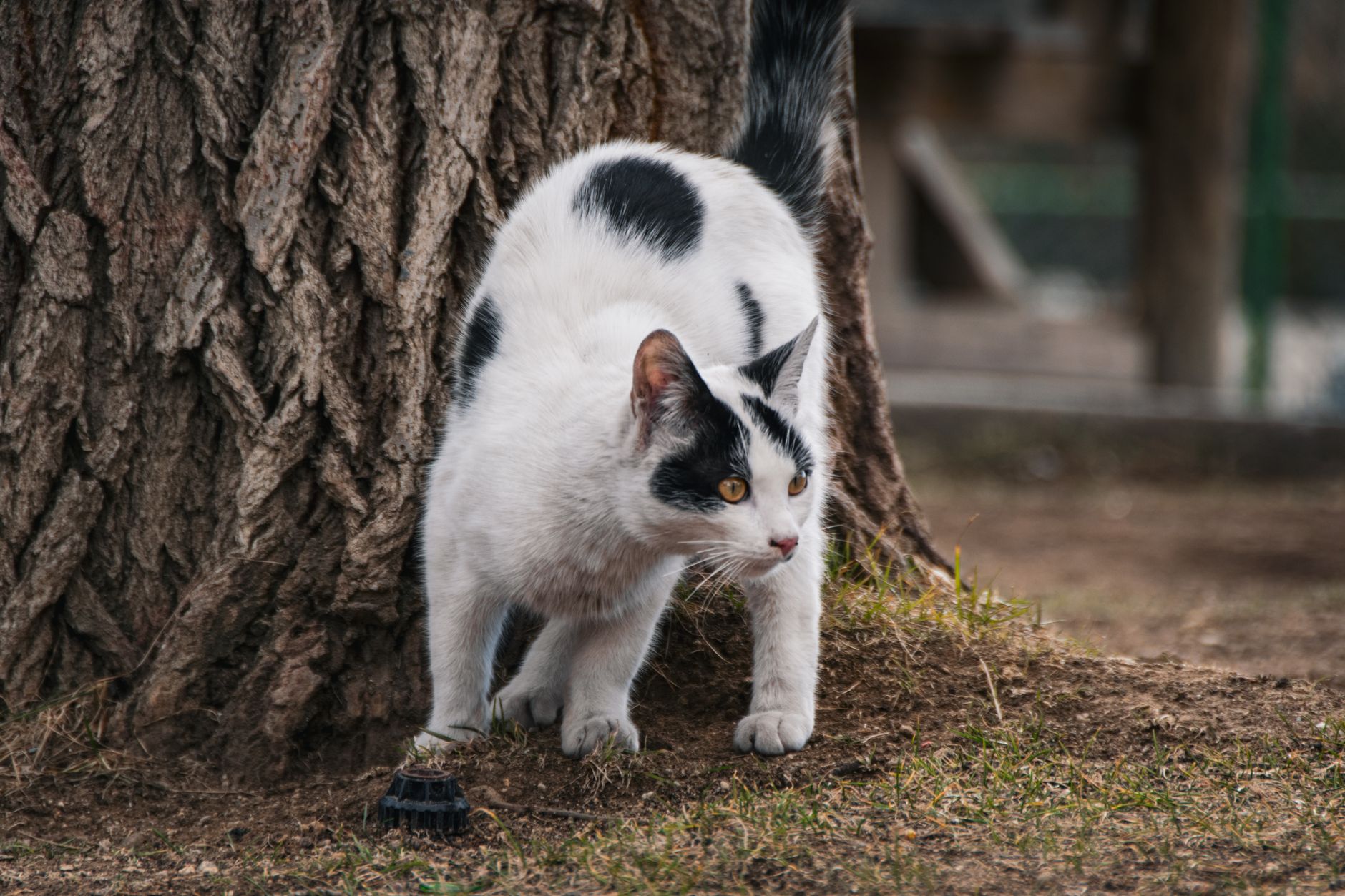
Cat spraying is one of the behaviors that often surprises new cat owners. A cat that suddenly begins leaving small amounts of urine on walls, furniture, or other vertical surfaces is usually not having a litter box accident. Spraying is a form of communication used by cats to mark territory, express reproductive signals, or respond to changes in their environment.
Understanding when cats start spraying and why it happens can help owners recognize normal feline behavior and address situations where spraying becomes a problem.
At What Age Do Cats Begin Spraying?
Most cats begin spraying when they reach sexual maturity. This commonly occurs between 5 and 12 months of age, although the exact timing depends on factors such as breed, genetics, health, and individual development.
Male cats are more commonly associated with spraying, especially if they have not been neutered. However, female cats can also spray, particularly when they are in heat or experiencing environmental stress.
| Cat Type | Typical Spraying Pattern |
|---|---|
| Unneutered male cats | Most likely to spray after reaching sexual maturity |
| Female cats | May spray during reproductive cycles or stressful situations |
| Neutered cats | Can still spray due to stress, territory issues, or learned behavior |
| Kittens | Usually do not spray before reaching maturity |
Why Do Cats Spray?
Spraying is not simply a bathroom behavior. Cats use urine marking as a way to send information through scent. Other cats can detect chemical signals in urine that provide information about territory, reproductive status, and familiarity.
Territory Marking
Cats are territorial animals. A cat may spray around the home when it feels the need to establish ownership of an area. This can happen when another cat appears nearby, a new pet enters the household, or outdoor cats are visible through windows.
Hormonal Behavior
Intact cats often spray because of reproductive instincts. Male cats may use scent marking to signal their presence to females and communicate with other males.
Neutering or spaying can significantly reduce hormone-related spraying, although it does not always eliminate the behavior completely.
Stress and Environmental Changes
Cats are sensitive to changes in their surroundings. Events that may trigger spraying include:
- Moving to a new home
- Introducing another pet
- Changes in household routines
- Construction or loud noises
- Conflict with other cats
- Changes in access to food, litter boxes, or resting areas
How to Tell Spraying Apart From Normal Urination
Identifying whether a cat is spraying or having a litter box problem is important because the solutions are different.
| Spraying | Normal Urination Problems |
|---|---|
| Usually occurs on vertical surfaces | Usually occurs on horizontal surfaces |
| Small amount of urine is released | Larger amounts may be present |
| Cat often remains standing with tail raised | Cat usually squats to urinate |
| Often linked to territory or communication | May involve litter box issues or medical concerns |
Do All Cats Spray?
No. Many cats never spray, especially if they are neutered or spayed before reaching sexual maturity and live in stable environments.
However, even cats that have never sprayed before may begin the behavior later in life if they experience significant stress or changes in their social environment.
Ways to Reduce or Prevent Cat Spraying
The best approach depends on the reason behind the spraying. Removing the trigger is usually more effective than simply cleaning the affected area.
- Consider neutering or spaying: Hormonal influences are a major cause of spraying, particularly in young cats.
- Reduce environmental stress: Provide predictable routines, safe resting spaces, and gradual introductions when changes occur.
- Clean marked areas properly: Regular cleaners may not fully remove urine scent signals. Enzymatic cleaners are commonly used because they break down odor-causing compounds.
- Improve household resources: Multiple litter boxes, separate feeding areas, and additional hiding spaces can help reduce competition between cats.
When Spraying May Require Veterinary Advice
Sudden spraying behavior, especially in an older cat that has never sprayed before, may indicate an underlying issue. Urinary tract problems, pain, or other health conditions can sometimes cause changes in elimination behavior.
Veterinary evaluation is recommended if spraying appears alongside:
- Straining to urinate
- Frequent trips to the litter box
- Blood in urine
- Signs of pain or discomfort
- Major changes in appetite or behavior
Final Understanding
Cats usually begin spraying around the time they reach sexual maturity, often between five and twelve months old. While the behavior is commonly associated with hormones, spraying can also be a response to stress, territory concerns, or changes in the home environment.
Treating spraying successfully requires understanding the reason behind it. By identifying triggers, maintaining a stable environment, and addressing health or hormonal factors, owners can often reduce unwanted marking while supporting their cat’s natural behavior.