
Your cat is pooping outside the litter tray because of pain, litter tray aversion, stress, mobility problems, or negative associations with the tray. Cats do not poop outside the tray out of spite or ...

Thick saliva drooling in cats is not normal and usually signals an underlying problem. In most cases, thick drool is caused by dental disease, oral pain, toxin exposure, nausea, or infection. Unlike l...
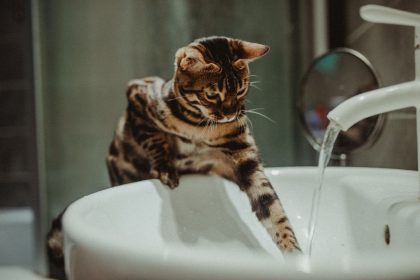
Finding bald patches on a Bengal cat’s stomach can be alarming, especially because this breed is known for its distinctive coat pattern and sleek appearance. Hair loss on the belly does not always mea...
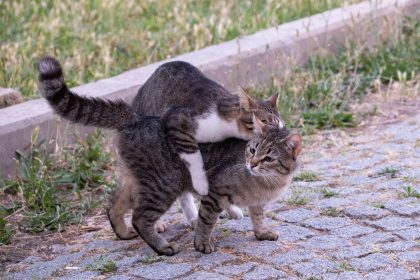
Cats scream during mating because the process triggers a combination of physical stimulation, hormonal response, and instinctive behavior. The loud vocalizations—often described as screaming&mda...
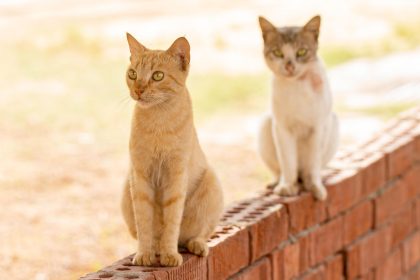
“When the cat’s away, the mice will play” is an English idiom that means people behave more freely, irresponsibly, or boldly when the authority figure is absent. In simple terms: Whe...
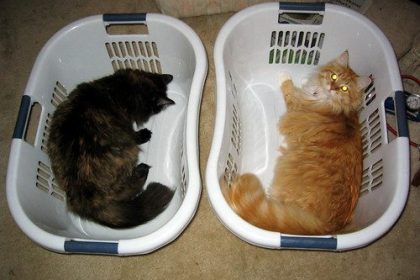
One day your cat fits perfectly in your lap. The next day, they feel… longer. Heavier. Bigger. From a pawrent’s point of view, cat growth can feel unpredictable. Are they still growing? A...
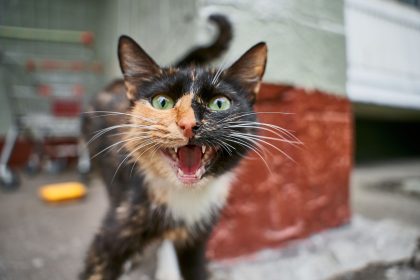
Finding a cat regularly sitting outside your home, walking around your yard, or appearing at the same time each day can be surprising. While some people interpret this behavior as a sign of affection ...
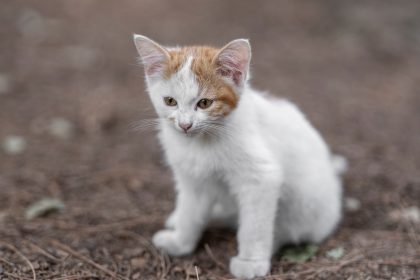
If you live with a growing kitten, you’ve probably noticed the shift. They don’t look like a baby anymore—but they don’t feel like a calm adult either. From a pawrent’s p...
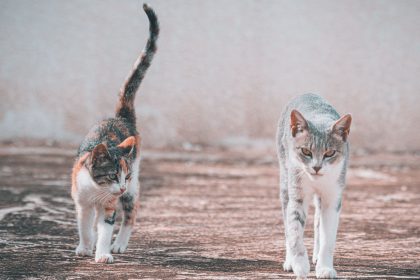
Cats shake their tails to communicate heightened emotion such as excitement, anticipation, irritation, or focused intent. Tail shaking is a normal part of feline body language and reflects emotional a...

Your cat eats your hair because it associates your scent with comfort, grooming behavior, stress relief, or nutritional needs. Hair-eating is common in cats but can become dangerous if it turns into c...