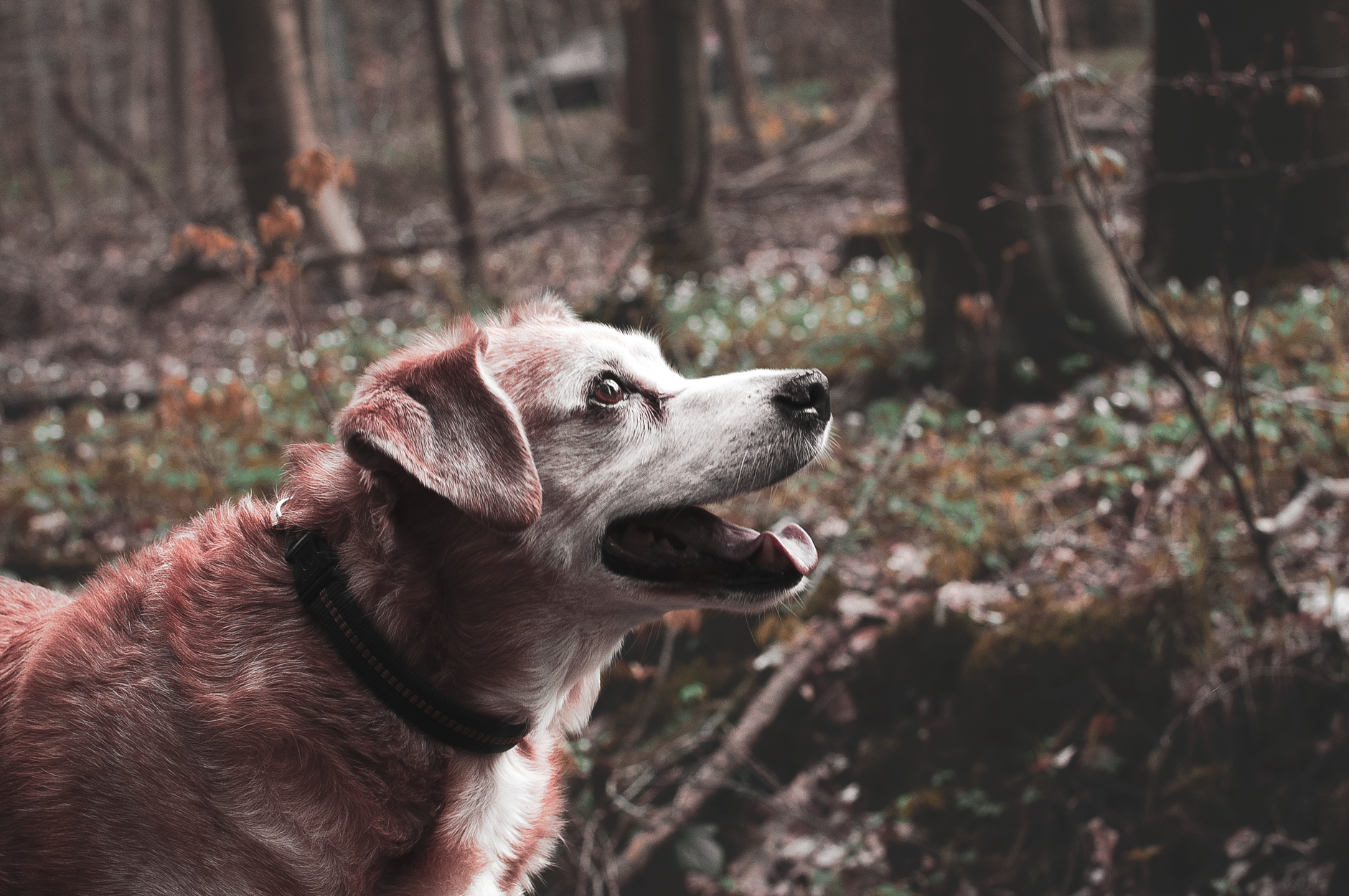
A dog does not become “old” at one specific birthday. The age when a dog is considered a senior depends largely on its breed, body size, genetics, and overall health. A small dog may remain active well into its later years, while a large breed can show age-related changes much earlier.
Understanding when a dog enters its senior stage helps owners adjust care routines, monitor health changes, and recognize when veterinary attention may be needed. Aging is a gradual process, not a sudden transition.
Senior Dog Age Depends on Size and Breed
The traditional idea that one human year equals seven dog years is a simple comparison, but it does not accurately reflect how dogs age. Dogs mature quickly during their early years, and the aging process varies significantly between breeds.
In general, veterinarians often use the following guidelines:
| Dog Size | Approximate Age Often Considered Senior | General Aging Pattern |
|---|---|---|
| Small dogs | Around 10 years and older | Often age more slowly and may maintain activity longer |
| Medium dogs | Around 8–10 years | May begin showing gradual changes in mobility and energy |
| Large dogs | Around 7–8 years | Often experience age-related changes earlier |
| Giant breeds | Often around 6–7 years | Have shorter average lifespans compared with smaller breeds |
These ranges are general estimates. A healthy eight-year-old dog may behave very differently from another dog of the same age because lifestyle, nutrition, genetics, and medical history all influence aging.
Common Signs That a Dog Is Entering Its Senior Years
Age-related changes usually appear gradually. Owners may notice small differences in behavior, movement, or daily habits before obvious signs of aging become visible.
- Reduced energy: A senior dog may rest more often or take longer to recover after activity.
- Changes in mobility: Stiffness, difficulty climbing stairs, or slower movement may indicate joint changes.
- Changes in senses: Some dogs experience reduced hearing or vision as they age.
- Weight changes: Older dogs may gain weight because of lower activity or lose weight because of health issues.
- Behavior changes: Increased anxiety, confusion, or changes in sleep patterns can occur in some senior dogs.
Why Senior Dogs Need Different Care
Becoming a senior does not mean a dog should stop enjoying activities. Instead, care often needs to be adjusted to match changing physical abilities.
Regular Veterinary Monitoring
Older dogs are more likely to develop conditions such as arthritis, dental problems, kidney issues, heart disease, or other age-related concerns. Regular veterinary visits can help identify problems earlier and support better long-term management.
Balanced Exercise
Senior dogs still benefit from physical activity, but exercise may need to become lower impact. Shorter walks, controlled play, and activities suited to the dog’s mobility can help maintain muscle strength and mental stimulation.
Nutrition Adjustments
Older dogs may have different nutritional needs compared with younger dogs. Changes in metabolism, activity level, and health conditions can affect what type of diet is appropriate. Dietary decisions should consider the individual dog’s condition rather than age alone.
Comfortable Living Environment
Simple adjustments can make daily life easier for senior dogs. Supportive bedding, easier access to food and water, and reducing slippery surfaces can help dogs with reduced mobility.
Senior Does Not Mean Unhealthy
Many dogs remain active, social, and playful during their senior years. Aging is a natural process, but it does not automatically mean a decline in quality of life.
Some older dogs continue enjoying walks, training exercises, and family interaction when their needs are properly managed. The goal is not to prevent aging but to support comfort, health, and independence for as long as possible.
How Owners Can Prepare for Their Dog’s Later Years
The best approach is proactive care. Owners who understand their dog’s normal behavior are more likely to notice changes early. Tracking weight, activity levels, eating habits, and unusual behaviors can provide useful information when discussing health with a veterinarian.
It is also important to remember that every dog ages differently. Breed guidelines can provide a general reference, but the individual dog’s condition matters more than a specific number.
Conclusion
Dogs are generally considered seniors between about seven and ten years old, depending on their size and breed. Larger dogs typically enter this stage earlier, while smaller dogs may remain youthful for longer.
Recognizing the senior stage allows owners to make thoughtful changes in healthcare, exercise, nutrition, and daily routines. With appropriate support, many dogs can continue living comfortable and fulfilling lives well into their later years.