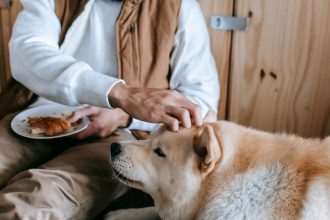
A sudden loss of appetite in dogs can be concerning, especially when a pet that normally enjoys meals suddenly refuses food. While skipping a meal occasionally may not always indicate a serious problem, continued refusal to eat can be a sign that something needs attention.
Dogs may stop eating for many reasons, ranging from simple changes in routine to medical conditions. Understanding the possible causes helps owners decide when home observation is reasonable and when veterinary advice is necessary.
Start by Looking at Changes Around the Dog
Before assuming a health problem, consider whether anything in the dog’s environment has changed. Dogs can be sensitive to disruptions in their normal routine, and stress can affect appetite.
- A recent move or change in the household
- New people or animals in the home
- Changes in feeding schedule
- A different food brand or recipe
- Loud noises or stressful events
Some dogs may temporarily eat less after experiencing unfamiliar situations. If the dog otherwise behaves normally and resumes eating soon, the issue may be related to adjustment rather than illness.
Food-Related Reasons a Dog May Refuse Meals
Problems with food itself are among the most common explanations for reduced appetite. Dogs can develop preferences, become bored with the same diet, or react to changes in their food.
| Possible Food Issue | What May Happen | What Owners Can Check |
|---|---|---|
| Sudden diet change | The dog may refuse unfamiliar food or experience digestive discomfort. | Introduce new food gradually over several days. |
| Food quality or freshness | The smell or taste may be different from what the dog expects. | Check expiration dates and storage conditions. |
| Too many treats | The dog may not feel hungry during normal meals. | Review the amount of snacks given throughout the day. |
Dental Pain and Physical Discomfort Can Affect Eating
Eating requires chewing, swallowing, and physical comfort. Dental problems or mouth pain can make a dog avoid food even when it still feels hungry.
Possible signs of mouth-related problems include:
- Dropping food while eating
- Chewing on only one side of the mouth
- Bad breath
- Pawing at the mouth
- Preferring softer foods
Other physical issues, including stomach discomfort, injuries, infections, or illness, can also reduce appetite. A dog that refuses food because of pain often shows additional changes in behavior.
Medical Conditions That May Cause Loss of Appetite
Appetite loss can sometimes be an early warning sign of a health problem. The severity depends on the dog’s age, overall health, and whether other symptoms are present.
Conditions that may affect eating include:
- Digestive problems
- Infections or fever
- Parasites
- Organ-related illnesses
- Medication side effects
Puppies, senior dogs, and dogs with existing health conditions require closer attention because they may be more vulnerable when they are not eating.
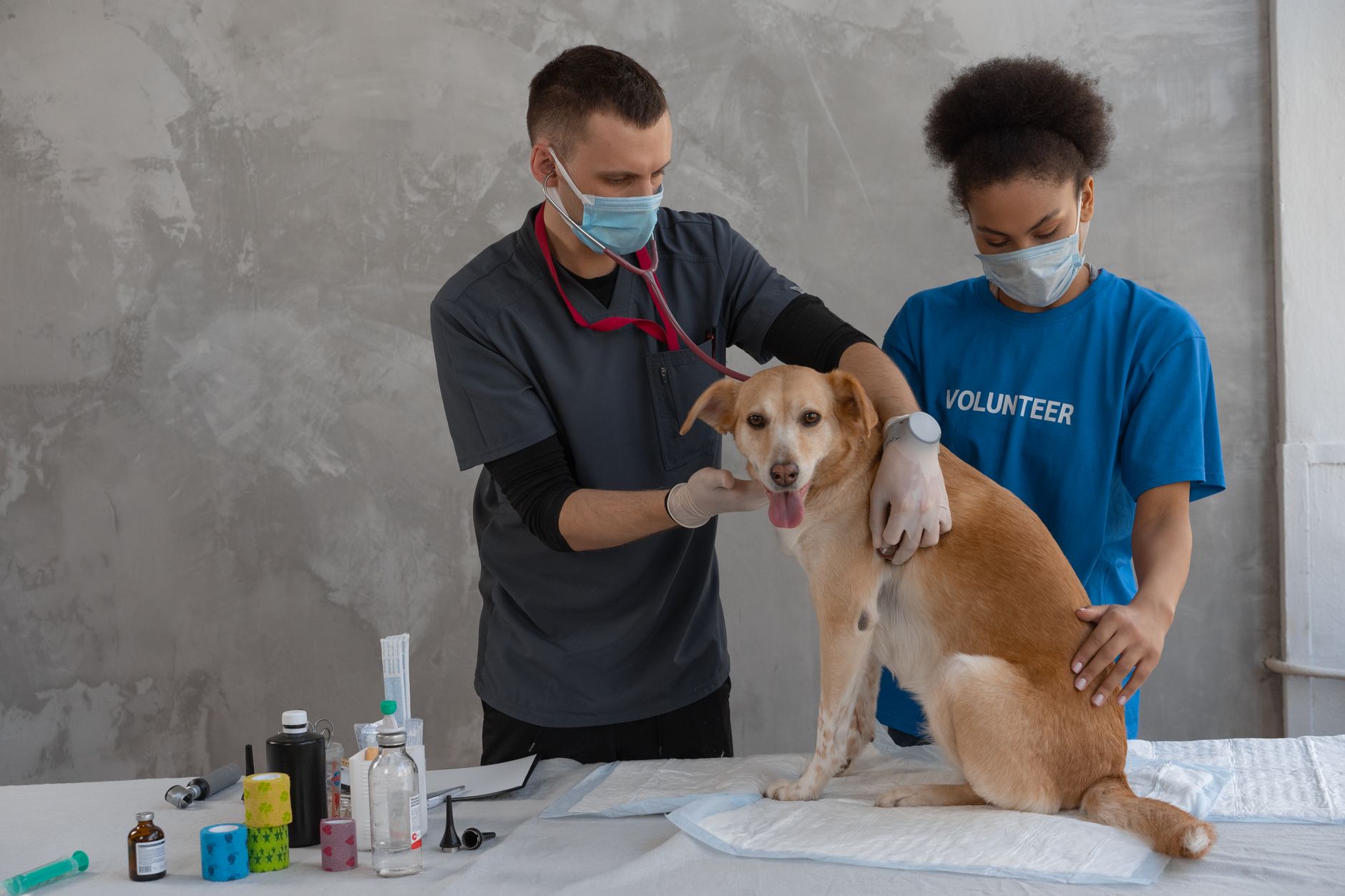
When a Dog Not Eating Requires Veterinary Attention
The length of time a dog refuses food is important, but it is not the only factor. A dog that skips one meal but remains energetic may require less concern than a dog that refuses food and appears unwell.
Contact a veterinarian if the dog shows signs such as:
- Vomiting or diarrhea
- Extreme tiredness or weakness
- Difficulty breathing
- Signs of pain
- Sudden weight loss
- Refusing both food and water
A sudden and unexplained loss of appetite should not be ignored, particularly if it continues or occurs with other symptoms.
Steps Owners Can Try at Home
For mild cases where the dog is otherwise healthy and acting normally, owners can try a few simple adjustments while monitoring the situation.
- Ensure fresh water is always available.
- Check that the food has not expired or changed unexpectedly.
- Maintain a consistent feeding schedule.
- Reduce unnecessary treats between meals.
- Create a quiet and comfortable eating area.
Avoid forcing a dog to eat because this can increase stress and may make the situation worse.
Understanding Your Dog’s Normal Eating Pattern
Every dog has an individual appetite. Some dogs eat immediately when food is offered, while others may eat later. Knowing your dog’s normal habits makes it easier to recognize meaningful changes.
A dog refusing food is not always an emergency, but it is a signal worth observing. By checking environmental factors, monitoring symptoms, and seeking professional advice when needed, owners can respond appropriately and protect their dog’s health.