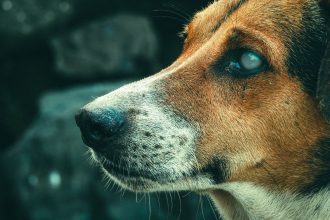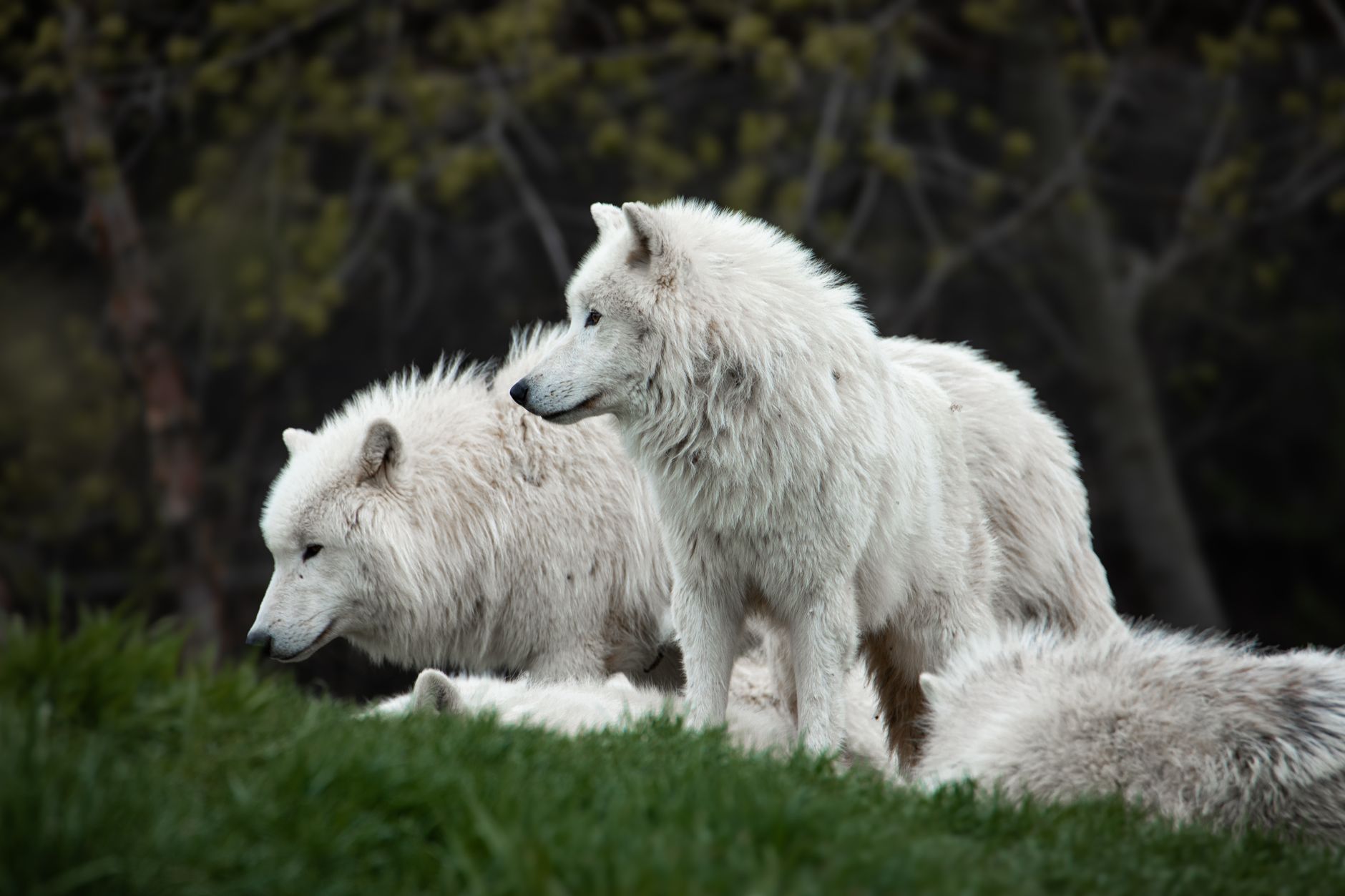
Dogs are now found in homes, farms, workplaces, and communities around the world, but their history began long before humans started keeping them as pets. The modern dog is the result of thousands of years of evolution, natural selection, and a unique relationship between humans and wolves.
Understanding where dogs come from helps explain why different breeds have such varied behaviors, appearances, and abilities. From tiny companion dogs to large working breeds, every dog carries a connection to its ancient ancestors.
Dogs Descended From Ancient Wolves
Scientific evidence shows that domestic dogs (Canis lupus familiaris) evolved from ancient populations of wolves. Although today’s dogs look very different from wild wolves, they share many biological similarities because they belong to the same species group.
Researchers believe the relationship between early humans and wolves developed gradually. Instead of humans immediately domesticating wolves as pets, the process likely involved certain wolves becoming more comfortable living near human settlements.
How the Domestication Process Began
Thousands of years ago, humans lived alongside hunter-gatherer communities that produced food waste around their camps. Some wolves may have approached these areas because they offered an easy source of food.
Over generations, wolves that were less fearful and more tolerant of humans may have had advantages in these environments. Humans may also have benefited from these animals because they could help with hunting, protection, and detecting danger.
Eventually, this relationship changed both animals and humans. Selective breeding allowed people to encourage certain traits, leading to the development of early domestic dogs.
A Timeline of Dog Evolution
| Period | Development |
|---|---|
| Thousands of years ago | Ancient wolf populations began forming closer relationships with human groups. |
| Early domestication period | Dogs became useful for tasks such as hunting, guarding, and companionship. |
| Later human civilizations | People selectively bred dogs for specific roles and physical characteristics. |
| Modern era | Hundreds of dog breeds developed with different appearances, behaviors, and purposes. |
Why Are Dog Breeds So Different Today?
Modern dog breeds vary dramatically because humans selectively bred dogs for particular jobs and traits. Different environments and human needs influenced the development of specialized breeds.
- Herding dogs: Developed to control and manage livestock through intelligence and responsiveness.
- Hunting dogs: Bred for abilities such as tracking, retrieving, or locating prey.
- Guarding breeds: Selected for alertness, strength, and protective instincts.
- Companion breeds: Developed mainly for social interaction and living closely with humans.
Although breeds have different characteristics, individual dogs can still vary significantly depending on genetics, training, environment, and social experiences.
The Relationship Between Humans and Dogs
Dogs have become one of the most successful examples of animal domestication because they adapted closely to human life. Unlike many domesticated animals that were mainly used for food or labor, dogs developed a strong social connection with people.
Their ability to understand human signals, cooperate with people, and form emotional bonds has made them valuable companions in many cultures.
Are Dogs Still Related to Wolves?
Yes, dogs and wolves remain closely related genetically, but thousands of years of domestication have created major differences in behavior and appearance.
Domestic dogs are generally more dependent on humans, while wolves remain wild animals with different survival behaviors. Even breeds that physically resemble wolves are still domesticated animals shaped by generations of human interaction.
Why Dog History Matters for Owners
Knowing a dog’s origins provides insight into its natural instincts. Many behaviors seen today, such as digging, chasing, barking, guarding, or seeking social interaction, are connected to traits inherited from their ancestors.
Understanding these traits can help owners provide better training, enrichment, and care. A dog’s behavior is not random; it is influenced by a long history of adaptation alongside humans.
From Wild Ancestors to Family Members
The journey from ancient wolves to modern dogs represents one of the longest and most successful partnerships between humans and animals. Over thousands of years, dogs have changed from wild predators into trusted companions while maintaining connections to their ancestral past.
Every dog, regardless of breed or size, is part of this long evolutionary story that continues to shape the way humans and dogs live together today.