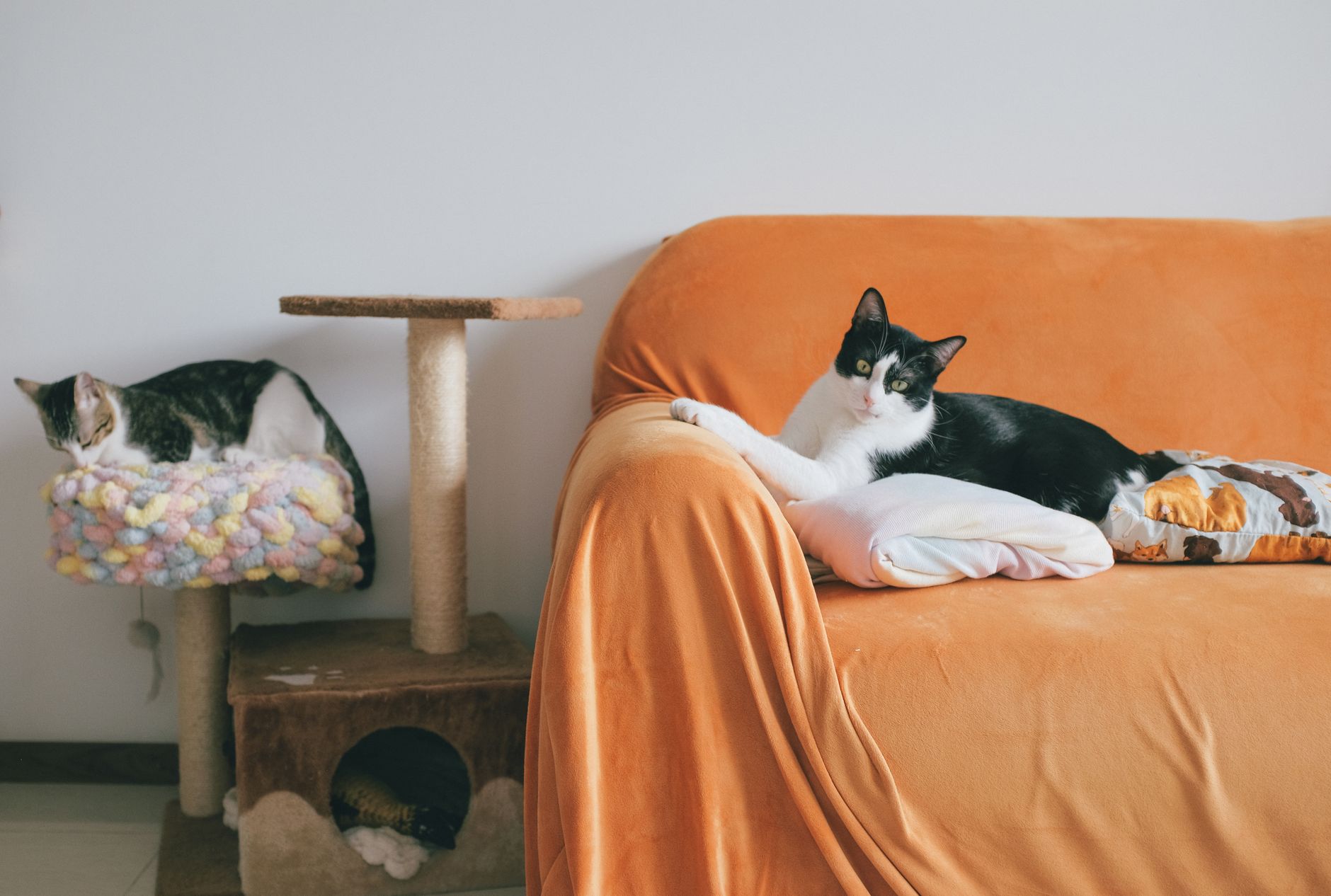
Cats are often considered independent pets, but independence does not mean they can be left without care for unlimited periods. A cat’s ability to stay home alone depends on its age, health, temperament, and the environment provided while the owner is away.
For many healthy adult cats, spending a normal workday alone is usually manageable when their daily needs are prepared properly. However, longer absences require more planning because even a self-sufficient cat can experience health problems, stress, or safety issues without supervision.
The Real Limit Depends on the Cat, Not Just the Clock
There is no universal rule that determines exactly how many hours every cat can stay alone. A calm adult cat with a predictable routine may handle several hours by itself, while a kitten, senior cat, or animal with medical concerns may need much more frequent attention.
Many adult cats can typically tolerate being alone for around 8 to 12 hours if they have access to fresh water, appropriate food, a clean litter box, and a safe living space. This timeframe is not a guarantee of comfort for every cat, but it represents what many healthy adult cats can manage under suitable conditions.
The important question is not only how long a cat can physically remain alone, but whether the cat’s physical and emotional needs continue to be met during that time.
Why Age Changes a Cat’s Ability to Be Alone
A cat’s stage of life has a major effect on how much supervision it requires.
| Life Stage | What Owners Should Consider |
|---|---|
| Kittens | Young cats need frequent feeding, play, learning opportunities, and safety monitoring. They are more vulnerable to accidents because they are still developing physically and behaviorally. |
| Adult Cats | Healthy adult cats are generally better equipped to spend several hours alone, especially when they have enrichment and a stable routine. |
| Senior Cats | Older cats may need closer observation because health changes, mobility issues, or medication needs can require additional care. |
The Risks of Leaving a Cat Alone for Too Long
Although cats often hide signs of illness, problems can develop quickly when no one is available to notice changes. Extended periods without human oversight can create several challenges.
Medical Problems May Be Missed
A cat could become injured, develop a health issue, or experience a sudden emergency while alone. Without someone checking in, problems that might have been treated early could become more serious.
Basic Resources Can Become Unavailable
Food and water planning becomes increasingly important as the time away increases. Water bowls can spill, become dirty, or run empty, while feeding methods may not suit every cat’s needs.
Litter box conditions also matter. Some cats avoid dirty litter areas, and prolonged discomfort may contribute to stress or changes in bathroom habits.
Lack of Stimulation Can Affect Behavior
Cats need more than physical necessities. Mental stimulation, play, exploration, and interaction help maintain normal behavior. Long periods of isolation may contribute to boredom, reduced activity, excessive attention-seeking, or destructive behavior.
How to Make Your Home Safer Before Leaving
A well-prepared environment can make short absences easier for both cats and owners. Preparation should focus on safety, comfort, and opportunities for natural cat behavior.
- Set up reliable food and water access: Make sure your cat can reach fresh water and receive meals in a way that matches its normal routine.
- Clean the litter box before leaving: A fresh litter area reduces stress and encourages normal bathroom habits.
- Provide enrichment: Scratching surfaces, toys, climbing areas, and places to observe the outdoors can help prevent boredom.
- Remove household hazards: Secure items such as loose cords, unsafe plants, small objects, and anything that could be swallowed.
- Maintain consistency: Cats often respond better when their feeding and daily routines remain predictable.
Can Technology Help When a Cat Is Alone?
Automatic feeders, water systems, and pet cameras can support cat care during short absences, but they should be viewed as tools rather than replacements for human attention.
A camera may allow an owner to observe behavior, and an automatic feeder may help maintain meal schedules, but neither device can respond to a medical emergency, clean a litter box, or provide meaningful interaction.
For cats with health concerns or special needs, direct visits from a trusted person are usually a more reliable solution.
When a Cat Should Not Be Left Alone for Extended Periods
Some cats require additional arrangements before an owner leaves home for longer than a normal day.
- Cats recovering from illness, injury, or surgery
- Cats that require regular medication
- Kittens that need frequent care
- Senior cats with changing health needs
- Cats that show stress when separated from people
- Any cat left alone during a multi-day trip
For longer absences, options may include arranging a pet sitter, asking someone trusted to visit regularly, or choosing professional boarding if it suits the cat’s personality.
Finding the Right Balance Between Independence and Care
Cats are naturally capable of spending time alone, but responsible ownership requires recognizing where independence ends and neglect begins. A healthy adult cat may comfortably handle several hours alone, while other cats may need more frequent attention.
The best approach is to consider the individual cat’s age, health, habits, and environment. Providing a safe home, maintaining routines, and arranging extra care when needed allows cats to enjoy independence without sacrificing their well-being.