Identifying a dog breed is not always as simple as matching a dog’s appearance to a picture. Many dogs share similar physical traits, and mixed-breed dogs can inherit characteristics from several different breeds. A reliable identification process requires looking at multiple features, including body structure, coat, behavior, and overall characteristics.
Whether you are trying to identify a dog you encountered, understand a new pet’s background, or learn more about breed characteristics, observing the right details can provide useful clues.
Why Dog Identification Can Be Difficult
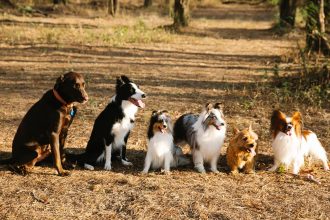
Modern dogs come in hundreds of recognized breeds, along with countless mixed-breed combinations. Selective breeding has created significant variation in size, appearance, temperament, and physical abilities.
A dog’s appearance alone may not always provide a definitive answer. For example, coat color, ear shape, or body size can appear in multiple breeds. Mixed-breed dogs may also display traits that resemble several different types of dogs at the same time.
Breed identification is therefore best viewed as an evaluation of patterns rather than a single-feature comparison.
Physical Features to Examine
When determining what kind of dog you are looking at, several physical characteristics can provide important clues.
| Feature | What It Can Indicate |
|---|---|
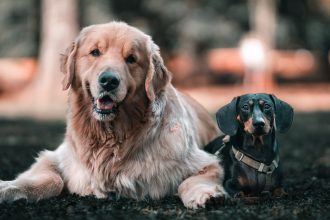
| Size and body shape | Can help separate small companion breeds, working breeds, hunting dogs, and larger guardian breeds. |
| Coat type | Texture, length, and shedding patterns may suggest certain breed groups. |
| Ears | Standing, folded, or hanging ears can provide clues about ancestry. |
| Tail shape | Tail length, curl, and carriage can be associated with certain breeds. |
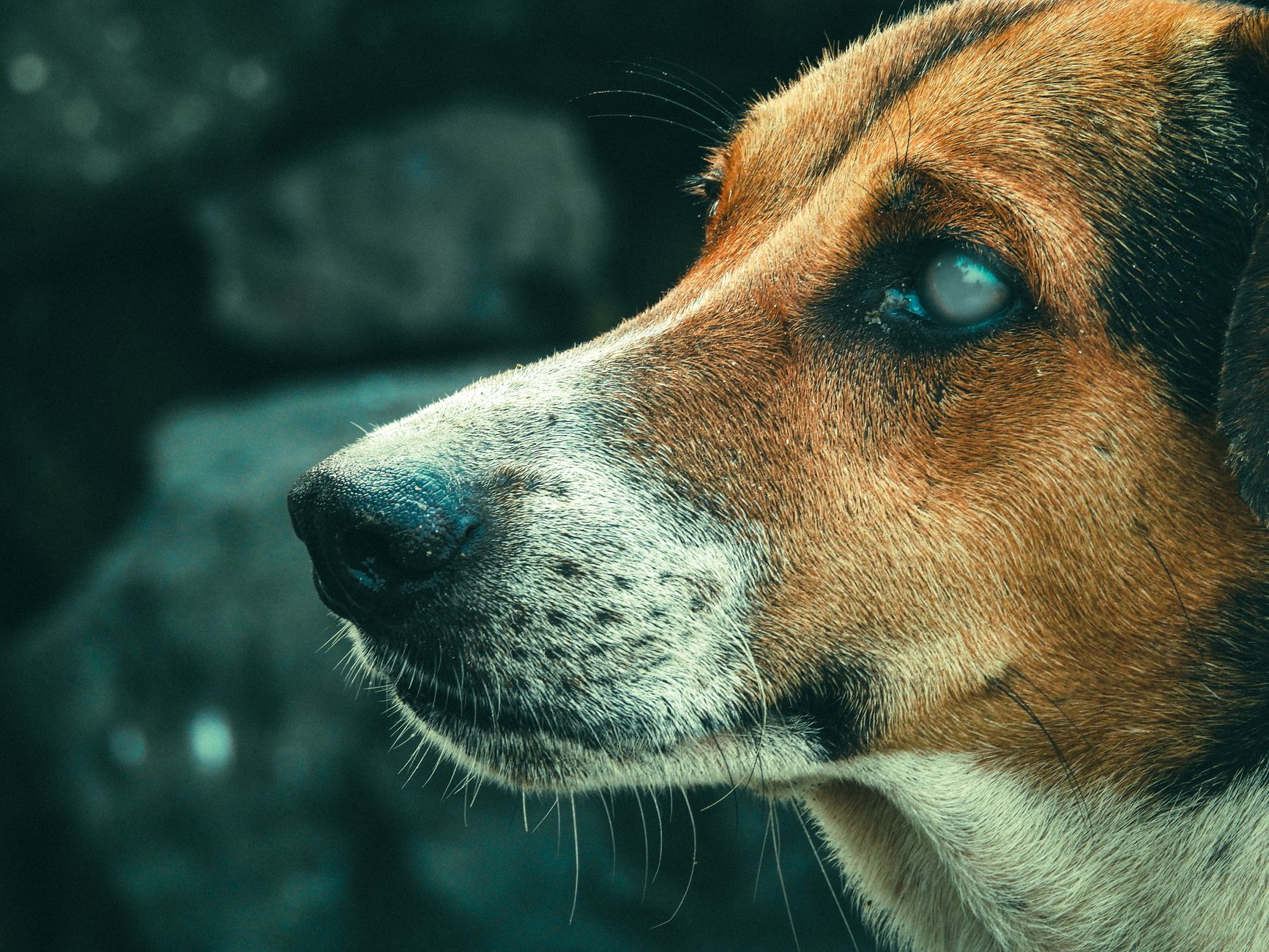
| Head and muzzle shape | Facial structure can help distinguish between different breed categories. |
Coat Characteristics Often Provide Useful Clues
A dog’s coat is one of the most noticeable features when attempting to identify its breed. Important details include:
- Length: Some breeds have short, close coats, while others have long or dense fur designed for protection from weather conditions.
- Texture: Hair can be smooth, wiry, curly, double-layered, or coarse depending on genetics.
- Color patterns: Certain markings may be common in specific breeds, although color alone is not enough for accurate identification.
- Grooming needs: Coat maintenance requirements can provide additional hints about a dog’s breed background.
Behavior Can Reveal More Than Appearance
A dog’s behavior and personality may also provide information about its breed group. Many breeds were developed for specific tasks, and some inherited behaviors remain noticeable today.
- Herding behavior: Some dogs naturally try to control movement or gather people and animals.
- Retrieving instincts: Certain breeds are more likely to enjoy carrying objects or playing fetch.
- Guarding tendencies: Some dogs are naturally more alert toward unfamiliar people or environments.
- High energy levels: Working and sporting breeds often require more physical and mental activity.
However, behavior should not be used as the only identification method because training, environment, and individual personality strongly influence how a dog acts.
Common Dog Groups and Their Characteristics
Instead of immediately identifying an exact breed, it can be helpful to first determine which general dog group a dog resembles.
- Sporting dogs: Often bred for activities involving hunting, retrieving, and endurance.
- Working dogs: Typically developed for tasks such as guarding, pulling, or protection.
- Herding dogs: Known for intelligence, responsiveness, and interest in controlling movement.
- Terriers: Often energetic dogs originally bred for hunting small animals.
- Toy breeds: Smaller dogs historically developed primarily for companionship.
- Hound breeds: Dogs commonly associated with tracking and hunting through sight or scent.
Pictures Help, but They Are Not Always Enough
Comparing a dog with breed images can be useful, but visual identification has limitations. Many breeds share overlapping features, and mixed-breed dogs may not closely match any single breed.
For owners who need a more accurate answer, genetic testing can provide additional information by analyzing a dog’s DNA. These tests may help identify breed ancestry, although results can vary depending on the testing method and available genetic databases.
Questions That Help Narrow Down a Dog’s Breed
If you are trying to identify a dog, consider asking:
- How large is the dog when fully grown?
- What type of coat does it have?
- Are the ears upright, folded, or floppy?
- What is the dog’s typical energy level?
- Does it show behaviors associated with hunting, herding, guarding, or retrieving?
- Does it have any known history from previous owners or shelters?
Understanding the Dog Matters More Than the Label
Knowing a dog’s breed can provide useful expectations about size, exercise needs, grooming requirements, and possible behaviors. However, breed labels do not completely define an individual dog’s personality or health.
The most important factors are understanding the dog’s actual needs, providing proper care, and recognizing its unique characteristics. Whether purebred or mixed-breed, every dog benefits from responsible ownership and an environment suited to its physical and behavioral requirements.