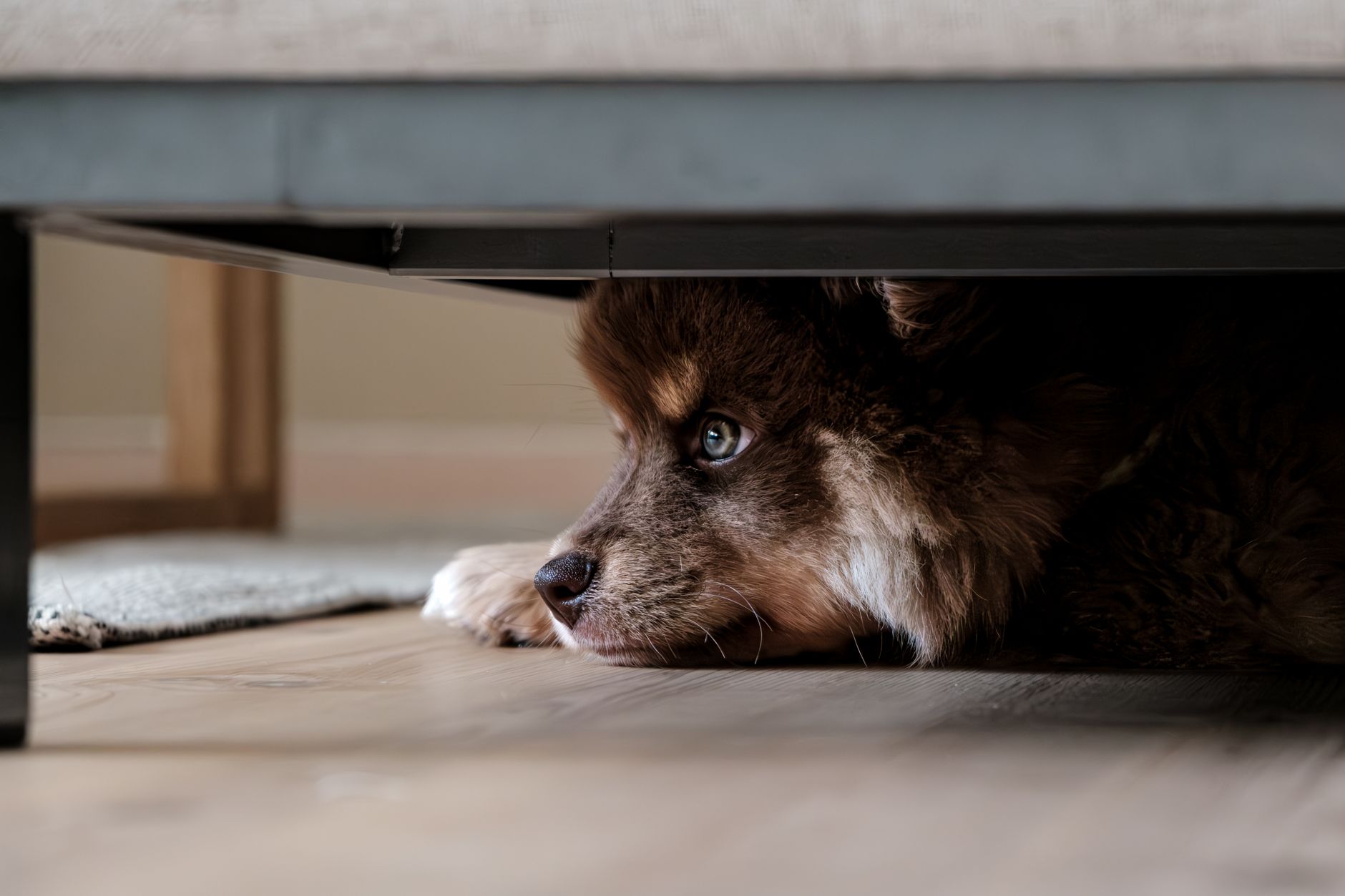
Dogs can experience anxiety for many reasons, including changes in their environment, separation from their owners, loud noises, unfamiliar situations, or past negative experiences. Signs of stress may appear as barking, pacing, hiding, destructive behavior, excessive licking, or changes in appetite.
Helping an anxious dog is usually not about finding one quick solution. Effective management often combines understanding the cause of anxiety, improving the dog’s environment, using behavior training, and providing appropriate support when needed.
First Identify What Is Causing Your Dog’s Anxiety
Before choosing a solution, it is important to understand the trigger behind the behavior. Different types of anxiety require different approaches.
| Type of Anxiety | Common Triggers | Possible Signs |
|---|---|---|
| Separation anxiety | Being left alone or changes in routine | Whining, barking, destructive behavior, escape attempts |
| Noise anxiety | Thunder, fireworks, construction sounds | Shaking, hiding, restlessness |
| Environmental anxiety | New homes, visitors, unfamiliar places | Avoidance, nervous behavior, reduced confidence |
| Social anxiety | New people or unfamiliar animals | Fearful reactions, withdrawal, defensive behavior |
Create a More Secure Environment
A predictable and comfortable environment can help many dogs feel safer. Dogs often respond well to routines because consistent patterns reduce uncertainty.
- Maintain a regular schedule: Consistent feeding, walking, and rest times can make daily life more predictable.
- Provide a safe resting area: A quiet space where the dog can retreat can reduce stress during overwhelming situations.
- Reduce unnecessary stress triggers: Limiting exposure to situations that repeatedly cause fear can help prevent anxiety from escalating.
- Use enrichment activities: Puzzle toys, training exercises, and interactive games can provide mental stimulation.
Behavior Training Is Often the Most Important Tool
Anxiety-related behaviors are not usually solved by simply stopping the visible symptom. For example, punishing a dog for barking or destructive behavior may increase fear and make the underlying anxiety worse.
Positive reinforcement training focuses on rewarding calm behavior and gradually helping dogs become more comfortable with their triggers. This process may involve controlled exposure at a level the dog can handle without becoming overwhelmed.
Natural Options That May Support Calm Behavior
Some owners explore non-medication approaches to help dogs manage mild anxiety. These methods may be useful as part of a broader care plan, although results can vary between individual dogs.
- Exercise: Appropriate physical activity can help reduce excess energy and support overall well-being.
- Calm interaction: Gentle attention and avoiding reinforcement of fearful reactions can help encourage confidence.
- Comfort items: Familiar blankets, toys, or items carrying familiar scents may help some dogs feel more secure.
- Relaxation techniques: Calm training routines can teach dogs to settle more easily.
Dog Anxiety Supplements and Products
Some products are designed to support relaxation, including calming supplements, pheromone-based products, or specialized calming aids. However, not every product works for every dog, and safety depends on the ingredients and the dog’s health condition.
Before giving any supplement, especially if your dog has existing health problems or takes medication, it is best to discuss the option with a veterinarian.
When Medication May Be Necessary
Severe anxiety can significantly affect a dog’s quality of life. In some cases, professional treatment may include prescription medication alongside training and environmental changes.
Medication is not intended to replace behavior modification. Instead, it may help reduce extreme fear responses so that the dog can better participate in training and adapt to situations.
Things to Avoid When Helping an Anxious Dog
- Punishment: Scolding or physical correction can increase fear and damage trust.
- Forcing exposure: Pushing a dog into a frightening situation may worsen anxiety.
- Giving human medication without guidance: Some human products can be dangerous for dogs.
- Ignoring sudden behavior changes: New anxiety symptoms can sometimes indicate pain or medical problems.
When to Contact a Veterinarian
Professional advice is recommended when anxiety is severe, appears suddenly, causes self-injury, affects eating or sleeping, or significantly disrupts daily life.
A veterinarian can help determine whether the behavior is related to anxiety, an underlying health issue, or a combination of factors.
Helping an Anxious Dog Requires Patience
Anxiety management is usually a gradual process. The goal is not simply to stop unwanted behaviors but to help the dog feel safer and more confident.
By identifying triggers, creating a supportive environment, using appropriate training methods, and seeking professional help when needed, owners can improve their dog’s emotional well-being and strengthen their relationship over time.