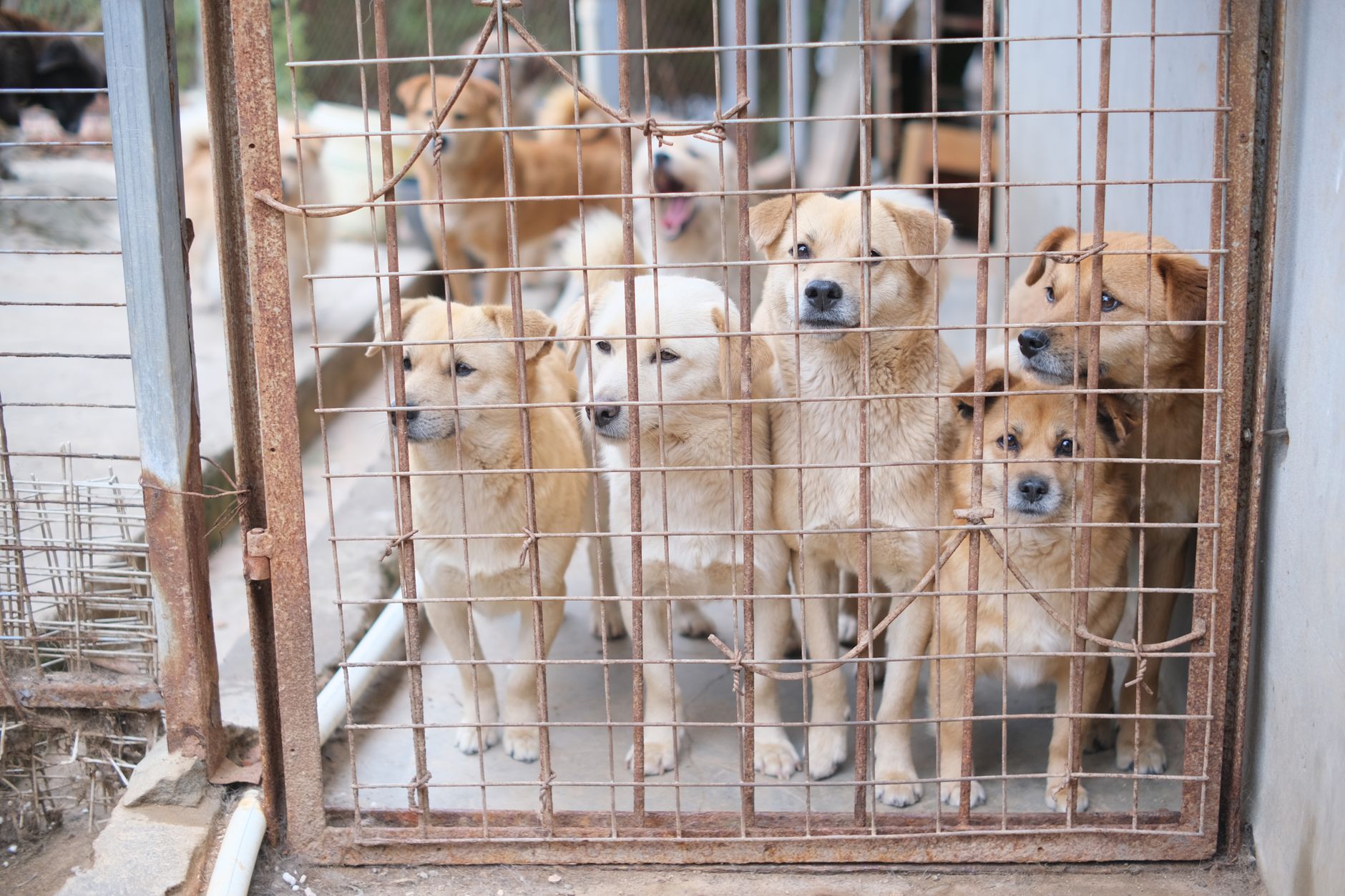
Adopting a dog is more than choosing a pet. It is a long-term commitment that involves understanding an animal’s needs, background, health condition, and compatibility with your lifestyle. The place where you adopt a dog can influence the quality of information you receive and how smoothly the transition into your home goes.
Whether you are looking for a puppy, an adult dog, or a senior companion, there are several reliable options for adoption. Each source has different advantages and considerations, so knowing where to look can help you make a better decision.
Animal Shelters Are One of the Most Common Adoption Options
Local animal shelters are among the most accessible places to adopt a dog. These organizations typically care for abandoned, surrendered, or rescued animals that need permanent homes.
One advantage of adopting from a shelter is that many dogs are already evaluated for behavior and basic health needs. Staff members may be able to provide information about the dog’s temperament, activity level, social behavior, and any known medical concerns.
However, shelter environments can sometimes make it difficult to fully understand a dog’s personality because stress may affect how an animal behaves around unfamiliar people. Spending time with the dog before adoption is important.
Rescue Organizations Often Focus on Specific Needs
Dog rescue groups operate independently or through community networks to help animals that need new homes. Some rescues specialize in particular breeds, while others focus on senior dogs, dogs with medical needs, or animals recovered from difficult situations.
Rescue organizations can be useful for adopters who want detailed guidance because volunteers often spend significant time caring for individual dogs before placement.
- Breed-specific rescues can provide knowledge about common traits and care requirements.
- Foster-based rescues may have better insight into how a dog behaves in a home environment.
- Special-needs rescues can help match adopters with dogs requiring additional support.
Adopting Through Foster Networks Provides Real-World Behavior Information
Some adoption programs place dogs in temporary foster homes before they are adopted permanently. This arrangement allows the dog to experience a household environment instead of staying in a shelter.
Foster caregivers can often provide useful details about daily habits, such as whether the dog is comfortable around children, other pets, visitors, or being left alone for short periods.
This information can make the adoption process more predictable because potential owners have a clearer picture of what living with the dog may be like.
Veterinary Clinics and Community Networks Can Also Help
Veterinary clinics sometimes know about dogs needing new homes through clients, rescue partnerships, or community connections. While clinics are not usually adoption centers, they may be able to direct people toward reputable organizations.
Local community groups can also share adoption opportunities, but potential adopters should carefully verify the source. Responsible adoption involves confirming the dog’s health status, ownership history, and whether the person or organization is genuinely acting in the animal’s interest.
Questions to Ask Before Adopting a Dog
Choosing where to adopt is only one part of the process. Before bringing a dog home, gather as much information as possible about the animal.
| Question | Why It Matters |
|---|---|
| What is the dog’s medical history? | Helps you understand vaccinations, treatments, and possible future care needs. |
| Why is the dog available for adoption? | Provides context about the dog’s previous circumstances. |
| How does the dog behave around people and animals? | Helps determine whether the dog fits your household environment. |
| Does the dog have training experience? | Shows what level of guidance may be needed after adoption. |
Be Careful With Unverified Dog Sellers and Online Listings
Online advertisements and informal sellers may appear convenient, but they require extra caution. Some listings may not provide accurate information about a dog’s health, background, or living conditions.
Responsible adoption should prioritize the welfare of the animal. A trustworthy source should be willing to answer questions, provide available records, and allow appropriate interaction before the adoption is finalized.
Choosing the Right Adoption Source Depends on Your Situation
There is no single best place for everyone to adopt a dog. A first-time dog owner may benefit from an organization that provides guidance, while someone experienced with a particular breed may prefer a specialized rescue group.
The most important factor is finding a dog whose needs match your ability to provide care, training, attention, and a stable home. A thoughtful adoption decision creates a stronger foundation for a lasting relationship between you and your future companion.