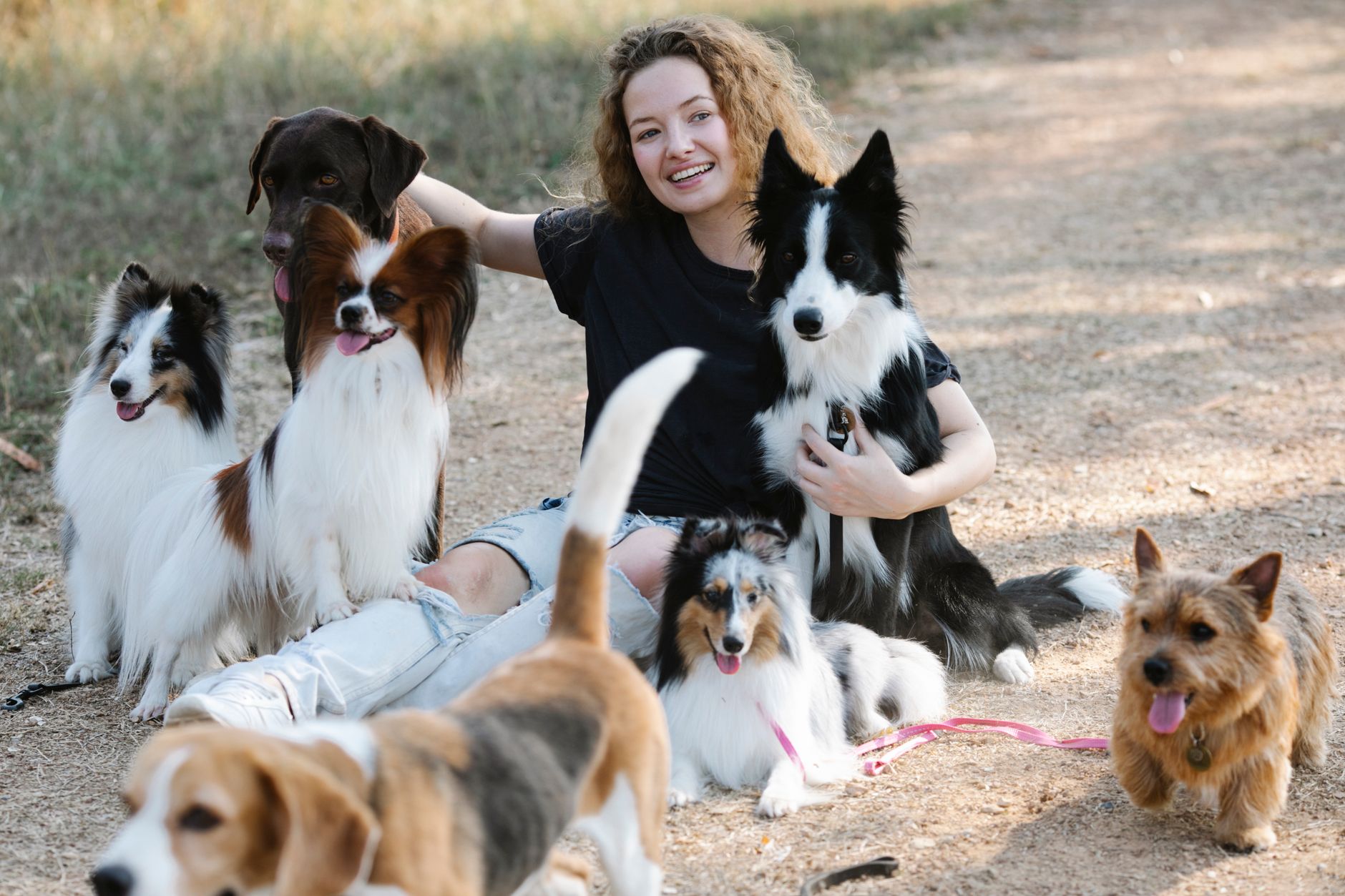
Choosing a dog is not only about finding a breed that looks appealing. A good match depends on how well a dog’s temperament, energy level, size, grooming needs, and care requirements fit into your daily routine. A breed that works well for one household may become difficult in another if its needs are not understood.
Before deciding which dog is right for you, consider your living environment, available time, experience with pets, and the type of relationship you want to build with your companion. The best choice is usually the dog whose needs align with your lifestyle.
Start With Your Daily Routine, Not the Dog’s Appearance
Many people choose dogs based on appearance or popularity, but physical characteristics do not always reveal whether a dog will fit into a household. Some small breeds require significant attention, while some larger breeds may be calmer indoors.
Important questions to consider include:
- How many hours will the dog spend alone each day?
- Do you have time for daily walks, training, and play?
- Do you live in an apartment, a house, or a property with outdoor space?
- Are you prepared for grooming, healthcare, and long-term expenses?
- Do you want an active companion, a family dog, or a more independent pet?
Dog Breeds for Different Types of Owners
For Active People Who Enjoy Outdoor Activities
People who spend a lot of time outdoors may prefer breeds with higher energy levels and strong motivation for physical activity. These dogs often enjoy walking, running, training exercises, and mentally stimulating games.
Examples of active breeds include:
- Labrador Retriever: Known for being social, energetic, and often eager to participate in activities with people.
- Border Collie: Highly intelligent and requires substantial mental and physical stimulation.
- Australian Shepherd: An energetic breed that typically benefits from structured activities and training.
These breeds may not be ideal for owners who have limited time for exercise because boredom can lead to unwanted behaviors.
For Families With Children
Families often look for dogs that are social, adaptable, and comfortable around different people. However, temperament varies between individual dogs, so breed characteristics should not replace proper training and supervision.
- Golden Retriever: Often recognized for its friendly and cooperative temperament.
- Labrador Retriever: Commonly chosen as a family companion because of its social nature.
- Beagle: A smaller breed with an energetic personality that can enjoy family interaction.
For Apartment Living
Living in a smaller space does not automatically mean you cannot own a dog. The more important factors are exercise needs, barking tendencies, and adaptability.
Breeds often considered suitable for apartment environments include:
- French Bulldog: Generally has lower exercise requirements compared with many active breeds.
- Cavalier King Charles Spaniel: Often enjoys human companionship and indoor living.
- Pug: Usually prefers being close to its owner and does not require extreme amounts of exercise.
Even smaller dogs still need training, social interaction, and regular activity.
Consider Grooming and Maintenance Requirements
A dog’s coat type can significantly affect the amount of care required. Some breeds shed heavily, while others need regular professional grooming to maintain coat health.
| Coat Type | Typical Maintenance Needs | Examples |
|---|---|---|
| Short coat | Usually easier to maintain but may still shed | Labrador Retriever, Beagle |
| Long coat | Requires frequent brushing to prevent tangles | Golden Retriever, Shih Tzu |
| Curly or wool-like coat | Often requires regular grooming appointments | Poodle |
Think About Temperament and Training Needs
Every dog requires training, but different breeds may have different learning styles. Some dogs are highly motivated to work with humans, while others may require more patience and consistency.
- Highly trainable breeds: Often respond well to structured training and mental challenges.
- Independent breeds: May require owners who understand patience and positive reinforcement.
- Social breeds: Usually need regular interaction and may struggle if isolated for long periods.
Mixed-Breed Dogs Can Also Be Excellent Choices
Breed labels can provide useful information, but they do not determine every aspect of a dog’s personality. Mixed-breed dogs can make wonderful companions and may have unique combinations of traits from different breeds.
When choosing a dog, meeting the individual animal and understanding its behavior can be just as important as knowing its breed background.
Questions to Ask Before Bringing a Dog Home
- Can I provide daily exercise and mental stimulation?
- Can I afford food, veterinary care, grooming, and other ongoing costs?
- Does this dog’s energy level match my lifestyle?
- Am I prepared for a commitment that can last many years?
- Do I understand the training and social needs of this type of dog?
The Best Dog Is the One You Can Properly Care For
There is no single dog breed that is perfect for everyone. The right choice comes from balancing your expectations with the needs of the animal. A well-matched dog is more likely to become a happy, healthy companion because its environment supports its natural behavior.
Taking time to research breeds, meet dogs personally, and honestly evaluate your lifestyle can help create a stronger relationship between you and your future pet.