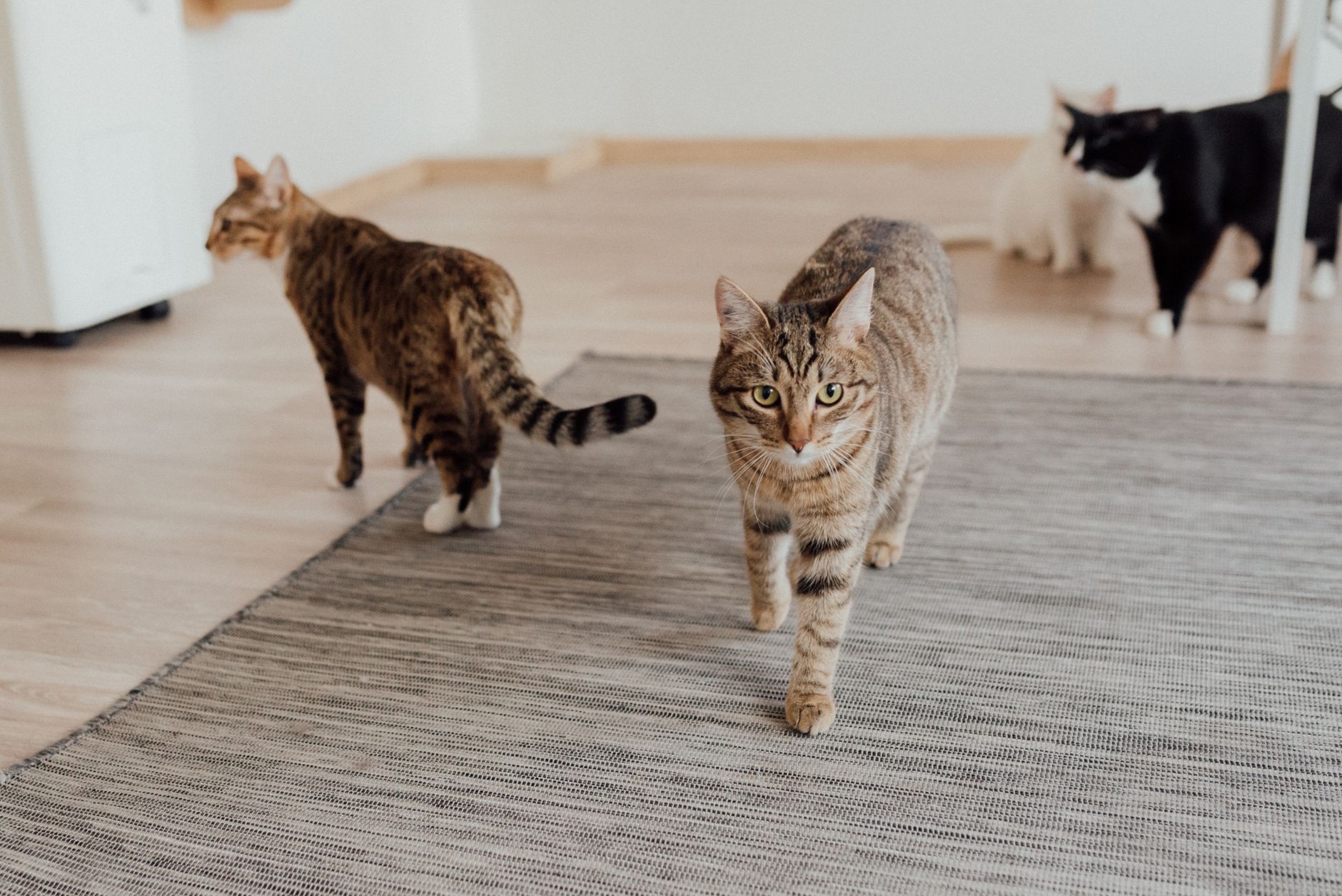
A rug can make a home warmer and more comfortable, but cat owners have a different set of requirements than households without pets. Cats scratch, shed, stretch, play, and occasionally create messes, meaning a beautiful rug is not always a practical rug.
The best rugs for homes with cats balance appearance with durability. The right choice should be comfortable for your cat, easy to maintain, resistant to everyday wear, and safe for feline movement.
Start With How Your Cat Uses the Space
Before choosing a rug, consider where it will be placed and how your cat interacts with that area. A rug under a coffee table has different demands from one near a favorite sleeping spot or a litter box.
| Rug Location | Important Features |
|---|---|
| Sleeping areas | Soft texture, warmth, and comfort for resting cats |
| High-traffic rooms | Durable fibers and easy cleaning |
| Play areas | Stable surface that does not slide easily |
| Near litter boxes | Simple maintenance and resistance to trapped odors |
Understanding your cat’s habits before buying helps prevent choosing a rug that looks good initially but becomes difficult to manage later.
The Best Rug Materials for Homes With Cats
Rug material is one of the most important decisions for cat owners. Different fibers respond differently to claws, fur, stains, and cleaning.
Polypropylene Rugs
Polypropylene is often considered practical for pet households because it is generally resistant to stains and can handle frequent cleaning. It is a common choice for busy areas where durability matters more than luxury texture.
Nylon Rugs
Nylon is known for strength and resilience. It can be useful in homes where rugs receive heavy daily use, although the exact performance depends on the rug’s construction.
Wool Rugs
Wool offers a soft, premium feel and natural durability, but it may require more careful maintenance. Owners should consider whether the appearance and comfort justify the additional care requirements.
Washable Rugs
Washable rugs can be convenient for cat owners because they simplify cleaning after spills, accidents, or excessive shedding. They are especially useful in areas where messes are more likely to occur.
Why Rug Pile Height Matters for Cats
The height and construction of rug fibers affect both maintenance and durability.
Low-Pile Rugs
Shorter fibers are often easier to vacuum and less likely to collect fur, litter particles, and debris. They also reduce the number of loose fibers available for cats that like to scratch.
High-Pile and Shag Rugs
Thick, fluffy rugs may feel comfortable, but they can be more challenging in a cat household. Long fibers can trap hair and make cleaning more time-consuming.
Some cats may also pull at loose fibers, causing damage over time.
Avoid Rug Designs That Invite Scratching Damage
Scratching is normal cat behavior. Cats scratch to stretch, maintain claw condition, and communicate through scent marking. A rug cannot stop this instinct, but some designs are more vulnerable than others.
Rugs that may create problems include:
- Looped fiber rugs: Claws can become caught in loops, causing pulled threads or damage.
- Fringed rugs: Loose edges can become attractive play objects.
- Delicate handmade rugs: Fine materials may not tolerate repeated scratching.
Providing scratching posts or pads nearby can help redirect natural behavior away from the rug.
Choose Colors and Patterns That Hide Everyday Mess
A practical rug does not have to look plain. The color and pattern can make a significant difference in how often cleaning is needed.
Very dark rugs may show light-colored cat hair, while very light rugs can reveal dirt quickly. Mixed patterns, textured designs, and colors similar to your cat’s fur may make shedding less noticeable between cleanings.
This does not replace regular maintenance, but it can make everyday upkeep easier.
Cleaning Features Are Essential for Cat Owners
Even well-trained cats can create unexpected messes. A rug that is difficult to clean may become frustrating over time.
Look for:
- Materials that tolerate regular vacuuming
- Stain-resistant construction
- Easy spot-cleaning options
- Machine-washable designs when appropriate
- Fibers that do not hold odors easily
Maintenance requirements should be considered before purchase, not after the rug becomes a daily chore.
Safety Considerations When Using Rugs Around Cats
A rug should provide a comfortable surface without creating movement problems. Cats often sprint, jump, and change direction quickly, so unstable rugs can become a hazard.
- Use a non-slip rug pad to prevent sliding.
- Avoid curled edges that may cause trips.
- Secure rugs in areas where cats frequently run or play.
Safety is especially important for older cats or cats with mobility challenges because unstable flooring can make movement more difficult.
Common Rug Mistakes Cat Owners Make
Some rug choices fail because they prioritize appearance without considering daily use.
- Choosing luxury over practicality: A delicate rug may not survive an active cat household.
- Ignoring maintenance needs: A difficult-to-clean rug can become inconvenient quickly.
- Buying without considering placement: Different rooms require different levels of durability.
- Forgetting about scratching behavior: Certain textures are more attractive to cats.
Finding the Right Balance Between Style and Function
The best rug for a cat-friendly home is not necessarily the most expensive or the softest option. It is the one that fits your lifestyle, your cat’s behavior, and your cleaning expectations.
A durable low-maintenance rug with a suitable texture, safe construction, and practical design can improve the comfort of your home while reducing the challenges that come with sharing space with a cat.
Choosing carefully means creating a living environment that works for both sides: a home that looks good for people and feels comfortable for cats.