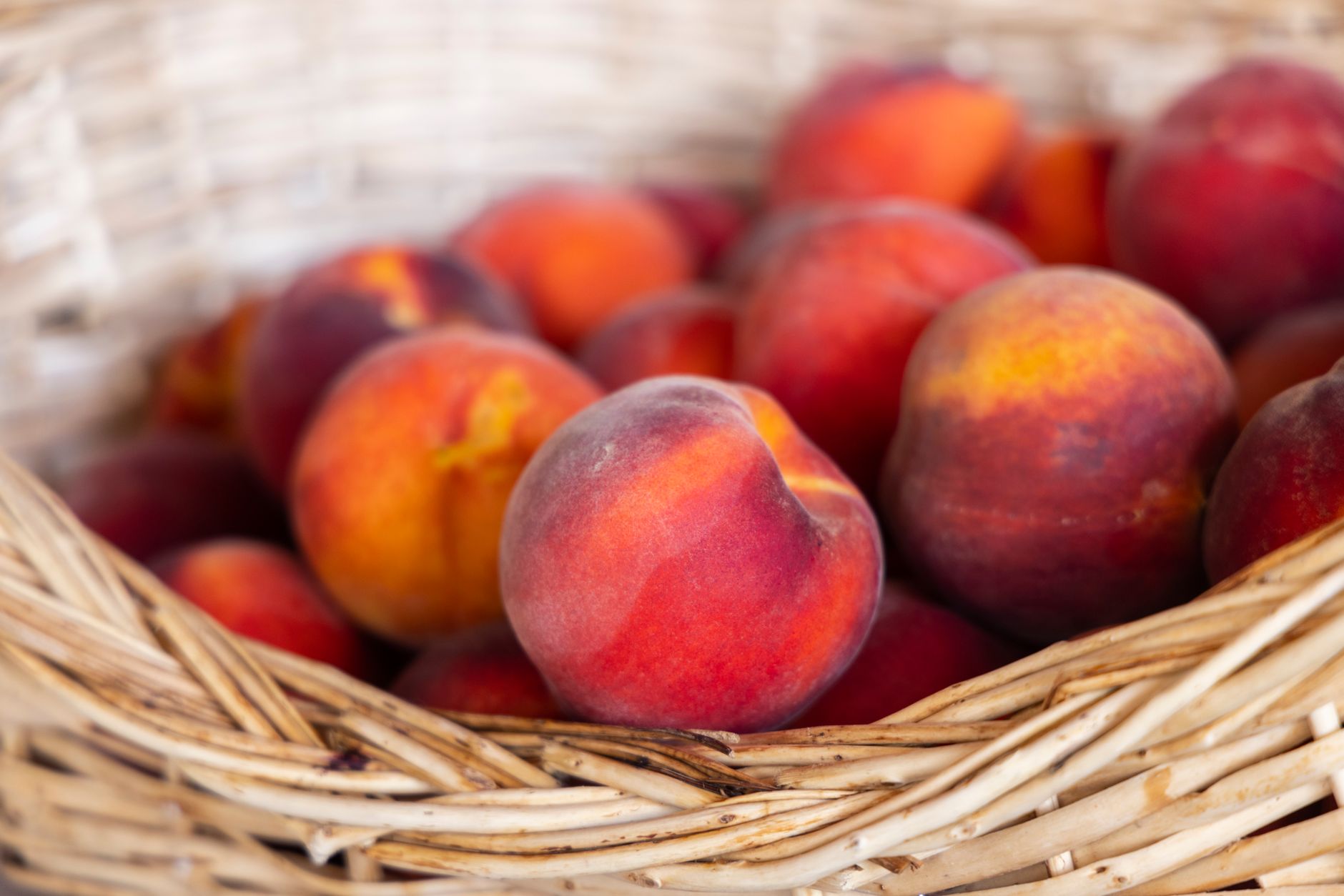
Peaches are a popular summer fruit for humans, but that does not automatically mean every part of a peach is safe for dogs. Small amounts of fresh peach flesh can generally be offered as an occasional treat, but owners need to understand the risks associated with peach pits, portion size, and preparation.
Before giving your dog a piece of peach, it is important to separate the safe parts from the potentially harmful ones. A few simple precautions can prevent digestive problems and more serious health concerns.
Are Peaches Safe for Dogs?
Dogs can eat peach flesh in moderation. The soft fruit contains water, fiber, and several nutrients that may make it a suitable occasional snack for many dogs. However, peaches should not replace a balanced dog diet because dogs require specific nutrition that regular fruit cannot provide.
The safest way to offer peaches is to remove the pit completely, wash the fruit, and cut the flesh into small pieces that are appropriate for your dog’s size.
The Peach Pit Is the Main Safety Concern
The biggest risk associated with peaches is not the fruit itself but the pit, also called the stone. Dogs should never be allowed to chew or swallow peach pits.
Peach pits can create several problems:
- Choking hazard: A pit can become lodged in a dog’s throat, especially in smaller dogs.
- Digestive blockage: If swallowed, the pit may obstruct the digestive tract and require veterinary treatment.
- Potential toxicity risk: Peach pits contain compounds that can release cyanide when broken down, creating an additional concern if the pit is damaged or consumed.
Always remove the pit before giving any peach to a dog, and avoid leaving whole peaches where pets can access them.
How Much Peach Can a Dog Eat?
Even safe foods can cause problems when given in excessive amounts. Peaches contain natural sugars and fiber, which may contribute to stomach upset if a dog eats too much.
| Dog Size | General Consideration |
|---|---|
| Small dogs | Only a few small pieces may be appropriate because their digestive system is more sensitive to extra foods. |
| Medium dogs | A small portion can usually be offered as an occasional treat. |
| Large dogs | They may tolerate slightly larger portions, but fruit should still remain a limited part of their diet. |
When introducing peaches for the first time, start with a small amount and observe your dog for any unusual reaction.
Possible Side Effects After Eating Peaches
Some dogs tolerate peaches without any issues, while others may experience digestive discomfort. Signs to watch for include:
- Loose stool or diarrhea.
- Vomiting.
- Gas or stomach discomfort.
- Reduced appetite.
Dogs with sensitive stomachs, dietary restrictions, or certain medical conditions may not respond well to new foods. In those cases, it is better to consult a veterinarian before adding fruit to their diet.
How to Prepare Peaches for Dogs
If you decide to give your dog peach, preparation matters. Follow these steps:
- Wash the peach thoroughly to remove dirt or surface residues.
- Remove the pit and discard it safely.
- Cut the fruit into small, manageable pieces.
- Avoid adding sugar, syrup, seasoning, or other ingredients.
Fresh peach is a better option than processed peach products. Canned peaches often contain added sugar or syrup that dogs do not need.
When Peaches May Not Be a Good Choice
While peaches can be safe for many healthy dogs, they are not suitable for every pet. Dogs that are overweight, diabetic, or following a veterinarian-recommended diet may need stricter control over treats containing natural sugars.
It is also important to remember that individual dogs can react differently to the same food. A fruit that works well as an occasional snack for one dog may cause digestive issues for another.
The Bottom Line: Peaches Can Be an Occasional Treat With Proper Preparation
Dogs can eat peach flesh in small amounts, but only when the fruit is prepared correctly. Removing the pit, controlling portions, and monitoring your dog’s reaction are essential steps for keeping this treat safe.
Like any extra food outside a complete dog diet, peaches should be viewed as an occasional addition rather than a regular meal component. Responsible preparation allows owners to share a small fruit snack without unnecessary risks.