Many dog owners enjoy sharing small pieces of food with their pets, and peaches are a common fruit that raises questions. The short answer is that dogs can eat peach flesh in moderation, but the way the fruit is prepared determines whether it is a safe treat or a potential hazard.
The edible part of a peach is not usually the main concern. The risks come from the pit, excessive portions, and products made with added ingredients. Knowing these details helps owners make better decisions about adding fruit to their dog’s diet.
Which Parts of a Peach Can Dogs Eat?
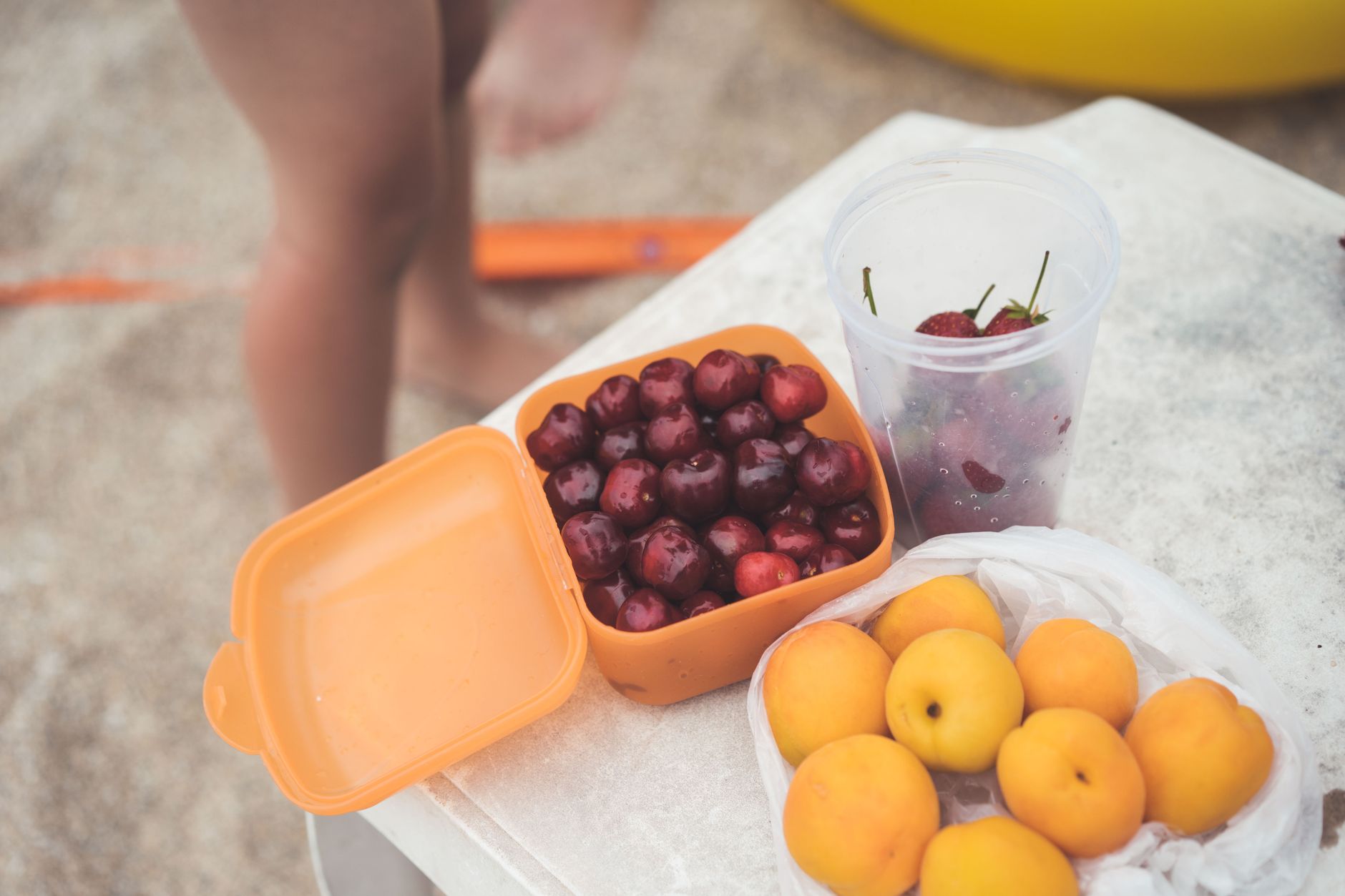
The soft flesh of a fresh peach can be offered to many healthy dogs as an occasional snack. Peaches contain water, dietary fiber, and naturally occurring nutrients, making them a possible alternative to processed treats when given appropriately.
However, dogs do not need fruit to meet their nutritional requirements. Their primary nutrition should still come from a balanced diet formulated for dogs. Peaches should be viewed as a small addition rather than a regular food source.
Why Peach Pits Are Unsafe for Dogs
The peach pit is the part that creates the greatest safety concern. Unlike the soft fruit, the pit is hard, difficult to digest, and can cause serious problems if swallowed.
- Physical obstruction: A swallowed pit can become stuck in the digestive system and may require veterinary treatment.
- Choking hazard: Dogs, particularly smaller breeds, may struggle if they attempt to swallow a whole pit.
- Potential toxicity: Peach pits contain compounds that can produce cyanide when damaged or broken down.
For this reason, dogs should never be allowed to chew on peach pits. Remove the pit completely before offering any peach.
How to Give Peaches to a Dog Properly
A safe introduction starts with preparation. A dog that has never eaten peaches should receive only a small amount at first, allowing the owner to observe whether the fruit causes digestive discomfort.
- Choose a fresh peach without signs of spoilage.
- Wash the peach to remove dirt or surface residues.
- Remove the pit entirely.
- Cut the flesh into small pieces appropriate for the dog’s size.
- Offer it as an occasional treat rather than a meal replacement.
Introducing new foods gradually is especially important for dogs with sensitive stomachs.
How Much Peach Can a Dog Have?
Portion size depends on factors such as the dog’s body size, activity level, health condition, and overall diet. A few small pieces may be enough for many dogs, especially during the first introduction.
| Dog Size | Peach Serving Consideration |
|---|---|
| Small dogs | Should receive very small portions because extra calories and fiber can have a greater impact. |
| Medium dogs | May tolerate slightly larger portions but should still receive peaches occasionally. |
| Large dogs | Can generally handle larger pieces, but excessive fruit is still unnecessary. |
Too much peach can lead to stomach issues such as loose stool or digestive discomfort because of the fruit’s fiber and sugar content.
Situations Where Peaches May Not Be Appropriate
Although peaches are safe for many dogs, they are not suitable for every pet. Dogs with specific medical conditions or dietary restrictions may need different considerations.
Speak with a veterinarian before adding new treats if your dog:
- Has diabetes or needs controlled sugar intake.
- Has ongoing digestive problems.
- Requires a prescription or medically managed diet.
- Has a history of food sensitivities.
Fresh Peaches Are Not the Same as Peach-Flavored Foods
A small piece of fresh peach is very different from canned peaches, peach desserts, or processed snacks. Many commercial peach products contain added sugar, syrup, artificial ingredients, or other additives that are not appropriate for dogs.
If offering peaches, plain fresh fruit is the safer choice compared with human foods that contain peach flavoring.
Signs Your Dog Did Not Tolerate Peaches Well
After introducing peaches, monitor your dog for changes. Some dogs may react poorly to new foods even when the food itself is generally considered safe.
- Vomiting
- Diarrhea
- Reduced appetite
- Abdominal discomfort
- Unusual tiredness
If symptoms are severe, persistent, or occur after swallowing a peach pit, veterinary advice should be sought.
Final Considerations for Dogs and Peaches
Dogs can eat peaches when the fruit is prepared correctly and offered in moderation. Removing the pit, controlling portions, and avoiding processed peach products are the most important safety steps.
For most dogs, a small amount of fresh peach can be an occasional treat, but it should remain a minor part of their overall diet. A balanced feeding plan and awareness of individual health needs matter more than adding any single snack.