Cats go crazy for catnip because it contains nepetalactone, a compound that stimulates scent receptors and activates pleasure and behavior centers in the brain. The reaction is temporary, harmless, and driven by genetics.
What Is Catnip?
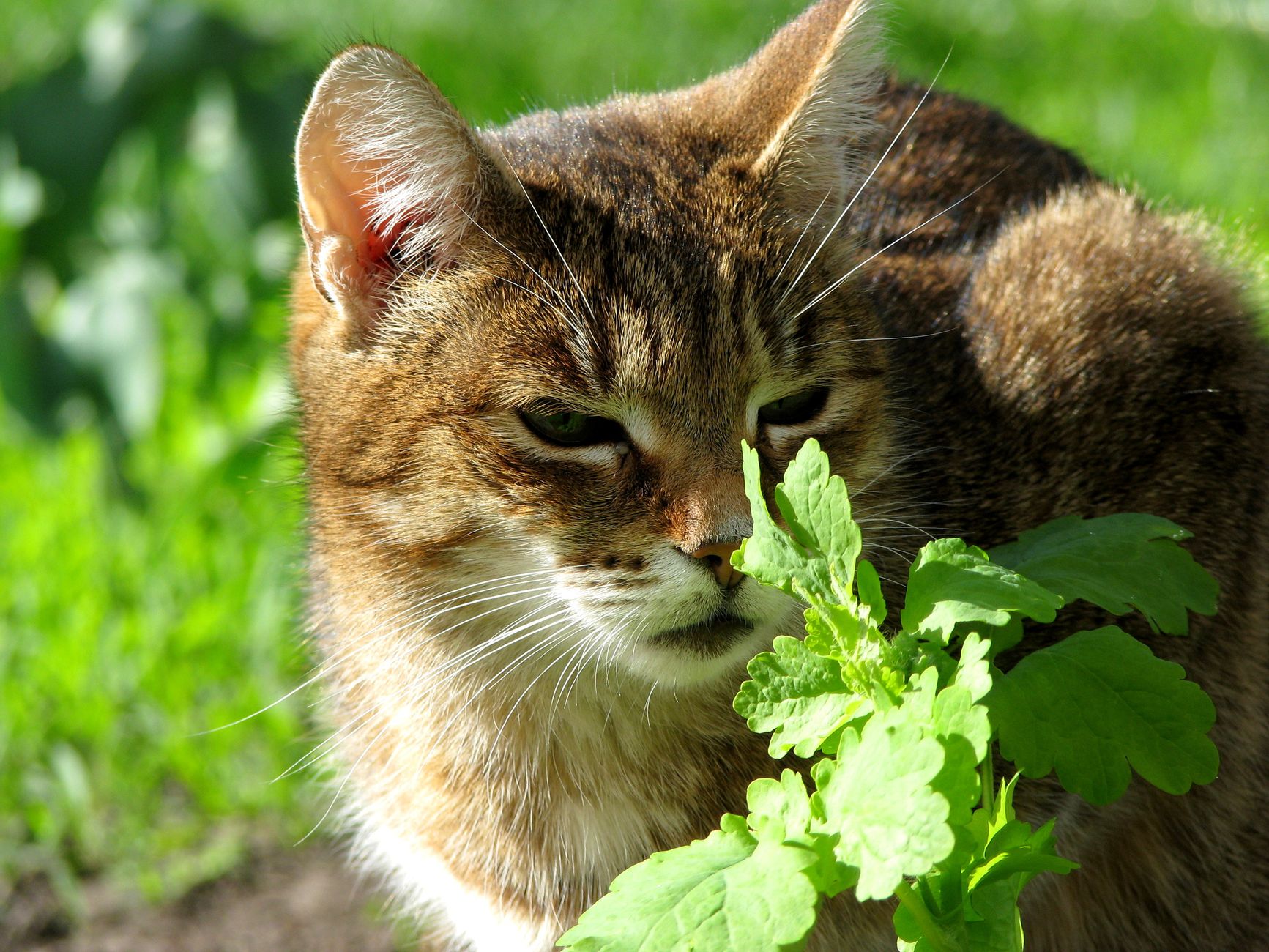
Catnip (Nepeta cataria) is a member of the mint family. Its leaves and stems produce aromatic oils that trigger behavioral responses in many cats.
The effect is not nutritional or addictive. It is a sensory response tied to smell.
What Happens in a Cat’s Brain
When a cat smells catnip, nepetalactone binds to receptors in the nasal tissue.
These receptors send signals to brain regions involved in emotion and behavior, producing a temporary altered response.
Why Cats React So Strongly
1. Nepetalactone Mimics Natural Pheromones
Nepetalactone resembles feline pheromones. The brain interprets the scent as biologically significant, triggering instinctive reactions.
2. Activation of Pleasure Pathways
The compound stimulates areas associated with pleasure and reward, similar to the effects of endorphins.
3. Sensory Overstimulation
Catnip overwhelms the olfactory system briefly, resulting in exaggerated behaviors.
Common Catnip Behaviors
1. Rolling and Rubbing
Cats often roll, rub their face, and press their body against catnip-covered surfaces.
2. Zooming and Playfulness
Some cats become highly energetic, running, jumping, or pouncing.
3. Vocalizing or Drooling
Meowing, chirping, or mild drooling may occur during peak stimulation.
4. Calm or Relaxed Behavior
Not all reactions are hyper. Some cats become calm and content instead.
How Long the Catnip Effect Lasts
The response typically lasts 5–15 minutes.
Afterward, cats enter a refractory period during which catnip has little effect for about 1–2 hours.
Why Some Cats Do Not React to Catnip
1. Genetics
Sensitivity to catnip is inherited. About 30–40% of cats show little or no reaction.
2. Age
Kittens under three months usually do not respond.
Is Catnip Safe for Cats?
Yes. Catnip is non-toxic and safe when used in moderation.
Overexposure may cause temporary digestive upset if eaten in large quantities, but serious reactions are rare.
Can Cats Become Addicted to Catnip?
No. Catnip does not cause dependency.
Cats naturally limit their response due to the built-in refractory period.
Indoor vs Outdoor Cats
Indoor cats often show stronger reactions due to novelty.
Outdoor cats may encounter catnip plants naturally and react less dramatically.
How to Use Catnip Responsibly
1. Offer Catnip Occasionally
Using catnip once or twice per week maintains sensitivity.
2. Pair With Enrichment
Use catnip on toys, scratchers, or puzzle feeders.
3. Store It Properly
Keep catnip sealed to preserve potency.
When Catnip Behavior Is a Concern
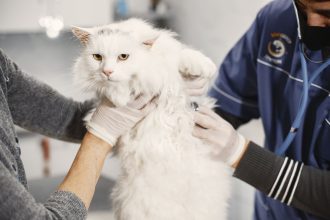
Consult a veterinarian if catnip triggers aggression, anxiety, or prolonged behavioral changes.
Long-Term Behavioral Outlook
Catnip reactions are normal, temporary, and enriching for most cats.
Used appropriately, catnip enhances play and mental stimulation.
Veterinary Disclaimer and Next Steps
This article is for educational purposes only and does not replace professional veterinary advice.
If your cat shows unusual or concerning reactions, seek veterinary guidance.