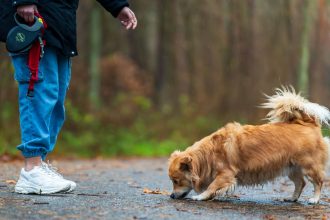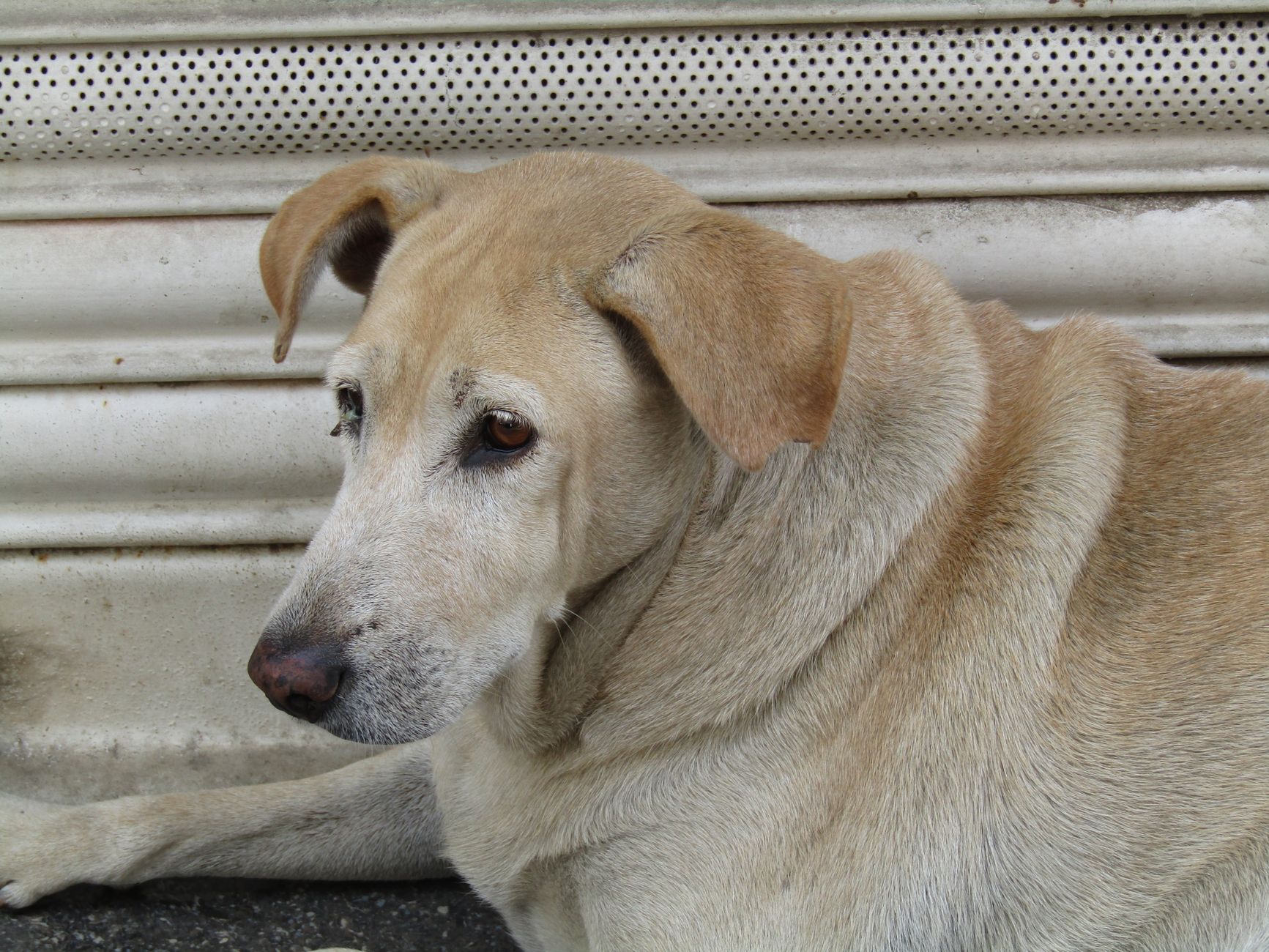
Dogs do not all age at the same rate. A small dog may remain active well into its later years, while a larger dog can show signs of aging much earlier. Because of these differences, there is no single birthday that officially marks the beginning of a dog’s senior stage.
Understanding when a dog is considered a senior helps owners adjust nutrition, exercise, veterinary care, and daily routines. Aging is not simply about the number of years a dog has lived, but also about changes in the body and behavior that appear over time.
Dog Age Depends on Size and Breed
The traditional idea that one human year equals seven dog years is a simple comparison, but it does not accurately represent how dogs age. Growth patterns and life expectancy vary significantly between breeds.
| Dog Size | Typical Senior Stage |
|---|---|
| Small breeds | Often enter their senior years later, sometimes around 10 years of age or older. |
| Medium breeds | Generally begin showing senior characteristics around 8–10 years. |
| Large breeds | May be considered senior earlier, often around 6–8 years. |
| Giant breeds | Can experience age-related changes sooner than smaller dogs. |
These ranges are estimates rather than strict rules. A veterinarian can provide a more accurate assessment based on a dog’s overall condition.
Signs That Your Dog May Be Entering the Senior Stage
Age-related changes often happen gradually. Some signs may be normal parts of aging, while others can indicate health problems that require veterinary attention.
- Reduced energy: Your dog may rest more frequently or become less interested in intense activities.
- Changes in movement: Stiffness, slower walking, or difficulty climbing stairs can appear as joints and muscles change.
- Changes in senses: Some older dogs experience reduced hearing or vision.
- Weight changes: Aging can affect metabolism, making weight management more important.
- Behavior changes: Increased anxiety, confusion, or changes in sleep patterns may occur in some senior dogs.
How Care Needs Change as Dogs Get Older
Senior dogs often benefit from adjustments in their routine. The goal is not to stop activity completely, but to provide appropriate support based on their changing abilities.
Regular Veterinary Checkups Become More Important
Older dogs have a higher risk of developing age-related conditions, including joint problems, dental issues, and chronic diseases. Regular health examinations allow potential problems to be identified earlier.
Exercise Should Be Adjusted, Not Eliminated
Senior dogs still need movement to maintain muscle strength, mobility, and mental stimulation. However, activities may need to become shorter, lower impact, and better suited to their physical condition.
Nutrition May Need to Change
Older dogs may have different nutritional needs compared with younger dogs. Maintaining a healthy weight is especially important because excess weight can increase stress on aging joints.
Senior Does Not Mean Unhealthy
Becoming a senior dog is a natural life stage, not a sign that a dog is no longer active or capable of enjoying life. Many older dogs continue to play, learn new routines, and form strong bonds with their owners.
The way a dog ages depends on genetics, breed, lifestyle, preventive care, and overall health. Some senior dogs remain energetic, while others require more assistance with daily activities.
When Should Owners Pay Extra Attention?
Certain changes should not automatically be dismissed as “just getting older.” Contacting a veterinarian is recommended if you notice:
- Sudden changes in appetite or drinking habits
- Unexplained weight loss
- Difficulty standing or walking
- Persistent coughing or breathing changes
- Major changes in personality or behavior
- Signs of pain or discomfort
Helping Your Dog Age Comfortably
Supporting an aging dog is about adapting to its needs while preserving quality of life. Comfortable sleeping areas, appropriate exercise, mental stimulation, and preventive healthcare can help senior dogs remain active and engaged.
The senior stage is different for every dog. Instead of focusing only on age, owners should pay attention to health, mobility, and behavior changes. A well-supported senior dog can continue to be a loving and meaningful companion for many years.