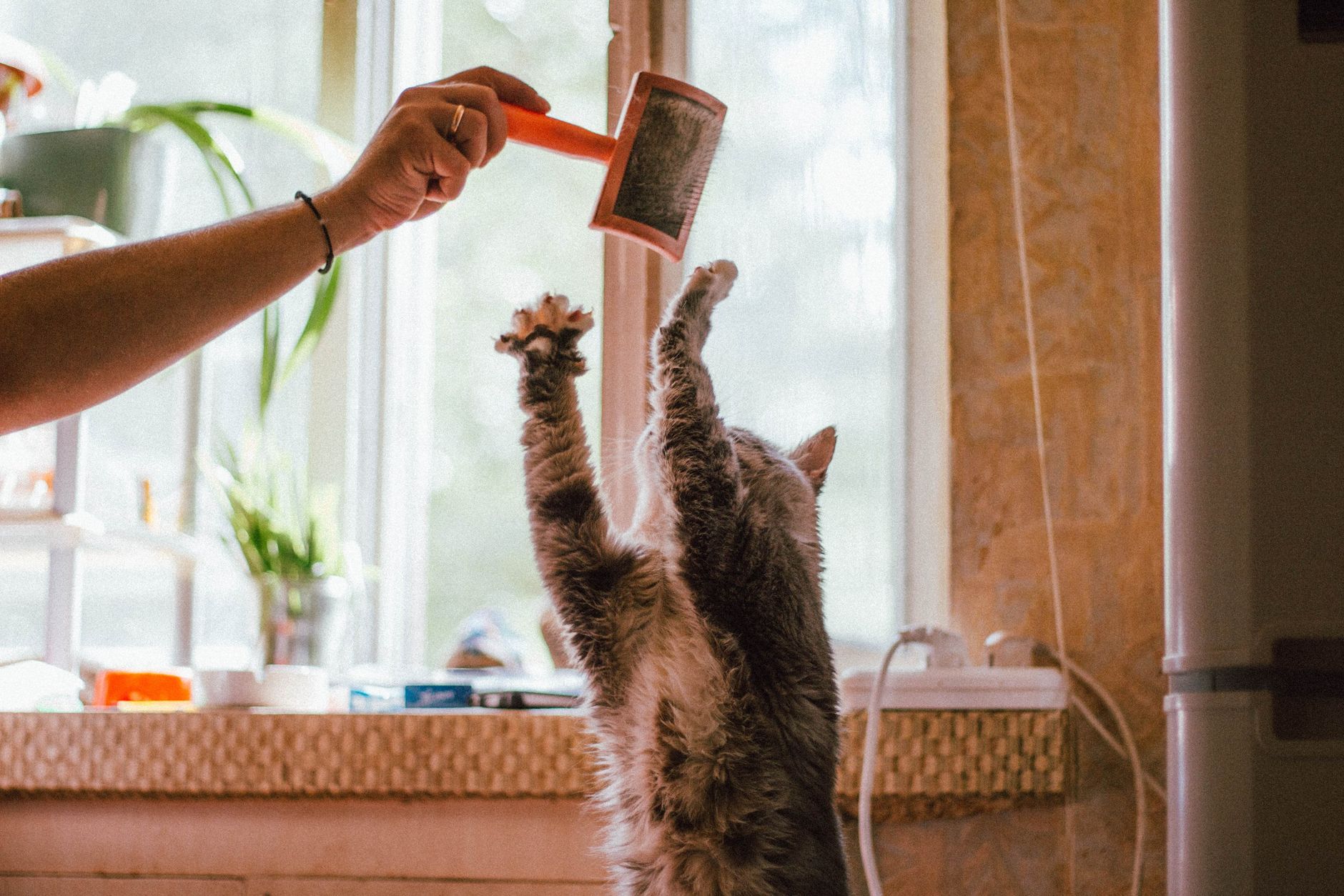
Cats may look fully grown long before they actually finish developing. A kitten that appears almost adult-sized after several months may still be gaining muscle, bone strength, and body maturity. Understanding when cats stop growing helps owners provide appropriate nutrition, monitor health, and recognize what is normal during development.
The exact age when a cat reaches its final size depends on several factors, including breed, genetics, diet, health, and whether the cat is male or female. While many domestic cats reach their adult height within the first year, some continue developing beyond that point.
Most Cats Stop Growing Between 12 and 18 Months
The majority of domestic cats reach their full physical size between one and one-and-a-half years old. During this period, their body gradually transitions from kitten development into adult maturity.
Growth does not happen at the same speed throughout a cat’s life. The fastest changes usually occur during the first few months, while later growth is slower and focused more on muscle development and body structure.
| Age Range | Typical Development |
|---|---|
| 0–3 months | Rapid growth, learning movement skills, developing coordination |
| 3–6 months | Continued size increase and increasing independence |
| 6–12 months | Approaching adult size, sexual maturity often begins |
| 12–18 months | Body fills out and reaches adult proportions |
Why Some Cats Grow Longer Than Others
There is no single growth timeline that applies to every cat. Different biological factors influence how quickly a cat reaches its final size.
Breed Differences
Breed is one of the biggest factors affecting growth duration. Small and average-sized cats often reach maturity earlier, while larger breeds can continue growing for several years.
Large cat breeds, such as Maine Coons, may continue developing until they are around three to five years old. Their longer growth period allows them to develop their larger bone structure and heavier body frame.
Genetics and Family Size
A cat’s adult size is strongly influenced by its parents. A kitten from naturally larger cats is more likely to grow into a larger adult, while smaller parents often produce smaller offspring.
Nutrition During Development
Proper nutrition plays an important role in healthy growth. Kittens require diets with higher levels of nutrients compared with adult cats because their bodies are building bones, muscles, and organs.
Poor nutrition during early development can affect growth, while overfeeding can contribute to excessive weight gain that may place unnecessary stress on joints and overall health.
How to Tell If a Cat Is Still Growing
Size alone is not always the best indicator of whether a cat has finished developing. Some cats may stop becoming taller but continue gaining muscle and filling out their body shape.
Signs that a cat may still be maturing include:
- Gradual increases in body weight
- Changes in muscle definition
- A longer or broader body shape developing over time
- Continued changes in behavior and confidence
- Slow development of adult facial features
Do Male and Female Cats Grow Differently?
Male and female cats generally follow similar growth patterns, but males often become larger on average. Male cats may develop broader heads, heavier bodies, and more muscle mass, especially if they are not neutered before maturity.
Female cats usually reach physical maturity slightly earlier, although individual differences are common.
Does Spaying or Neutering Affect Growth?
Spaying or neutering can influence certain aspects of physical development. Cats that are sterilized before reaching maturity may have differences in body composition and metabolism compared with intact cats.
These procedures do not stop a cat from growing, but they can affect factors such as weight management and body shape. After sterilization, owners often need to pay closer attention to calorie intake because some cats may gain weight more easily.
When Should Owners Be Concerned About Growth?
Variation in cat size is normal, but unusual growth patterns may require attention. A veterinarian should evaluate situations such as:
- A kitten that is not gaining weight properly
- Sudden weight loss during development
- Weakness or difficulty moving
- Visible signs of poor nutrition
- Growth changes accompanied by illness symptoms
Regular veterinary checkups during kittenhood can help ensure that growth is progressing normally.
Supporting Healthy Growth in Kittens
- Provide age-appropriate food: Kitten formulas are designed to support rapid development.
- Maintain healthy weight gain: Growth should be steady rather than excessive.
- Schedule routine health checks: Vaccinations and physical examinations help detect problems early.
- Encourage activity: Play supports muscle development, coordination, and healthy behavior.
Final Thoughts
Most cats reach their adult size between 12 and 18 months, but growth timelines vary significantly depending on breed, genetics, and health. While smaller domestic cats often mature within their first year, larger breeds may continue developing for several years.
A cat’s growth is not only about getting bigger. Healthy development involves proper nutrition, strong muscles, balanced weight, and normal behavioral maturity. Understanding these stages allows owners to support their cats from kittenhood into adulthood.