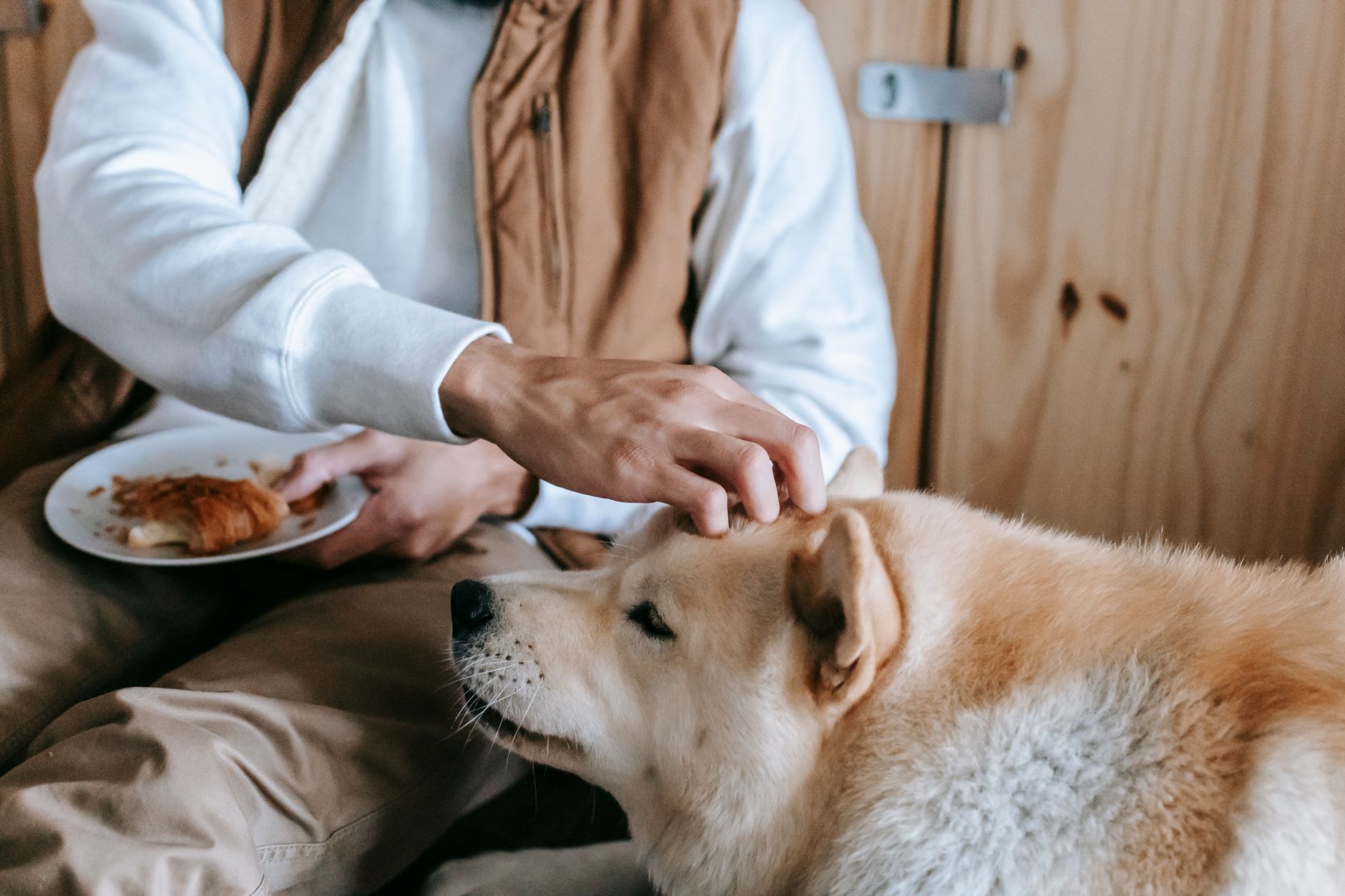
Sharing food with a dog is a common part of life for many pet owners, but not every human food belongs in a dog’s bowl. Some foods can provide variety and useful nutrients when offered correctly, while others may cause digestive problems or serious health risks.
The key difference is preparation, quantity, and understanding a dog’s nutritional needs. Human foods should only complement a complete dog diet, not replace properly balanced meals.
Foods That Are Generally Safe for Dogs
Many everyday foods can be offered to dogs as occasional treats. These options are typically safe when prepared without added salt, seasoning, sugar, sauces, or harmful ingredients.
| Food | Why It May Be Suitable | Important Considerations |
|---|---|---|
| Carrots | Provide fiber and are a low-calorie snack option. | Cut into appropriate sizes to reduce choking risk. |
| Apples | Contain fiber and nutrients such as vitamins. | Remove seeds and the core before serving. |
| Blueberries | Offer antioxidants and can be given as small treats. | Serve in moderation due to natural sugar content. |
| Plain cooked chicken | Provides protein and is often easy for dogs to digest. | Avoid bones, seasoning, and fried preparations. |
| Plain pumpkin | Contains fiber and may support digestive health. | Use plain pumpkin, not sweetened pie filling. |
| Green beans | Can provide fiber and nutrients with relatively few calories. | Avoid versions prepared with salt or sauces. |
Protein Foods Dogs Can Eat
Protein-rich foods are often appealing to dogs, but preparation determines whether they are appropriate. Plain, fully cooked meats without seasoning are usually safer choices than foods prepared for human meals.
- Chicken: Cooked, unseasoned chicken can be used as a treat or food addition.
- Turkey: Plain turkey without skin, seasoning, or added ingredients may be suitable.
- Eggs: Fully cooked eggs can provide protein and nutrients.
- Fish: Some cooked fish can be offered when bones are removed.
Foods such as bacon, sausage, and heavily processed meats are generally poor choices because they often contain high levels of fat, salt, and additives.
Fruits Dogs May Enjoy as Occasional Treats
Fruits can add variety to a dog’s treats, but their natural sugar content means portions should remain limited. Some fruits also require preparation before they are safe.
- Bananas: Can be offered in small amounts because they contain natural sugars and carbohydrates.
- Watermelon: A hydrating option when seeds and rind are removed.
- Strawberries: Can be served fresh and cut into manageable pieces.
- Peaches: The flesh may be offered, but the pit must always be removed.
Fruit should not become a major part of a dog’s diet because dogs require a balance of nutrients that fruit alone cannot provide.
Human Foods Dogs Should Avoid
Some foods that are harmless or common for humans can be dangerous for dogs. Owners should avoid giving these items, even in small amounts.
- Chocolate: Contains compounds that can be toxic to dogs.
- Grapes and raisins: Associated with serious health risks in dogs.
- Onions and garlic: Can damage a dog’s red blood cells.
- Xylitol-containing products: This artificial sweetener can be highly dangerous for dogs.
- Alcohol: Can cause severe poisoning.
- Macadamia nuts: May cause illness in dogs.
Why Portion Size Matters
Even safe foods can become unhealthy when given excessively. Dogs have different calorie requirements based on their size, age, activity level, and health condition.
Treats and human foods should generally represent only a small portion of a dog’s overall daily intake. Too many extras may contribute to weight gain, digestive upset, or an unbalanced diet.
How to Introduce New Foods to Your Dog
A gradual approach reduces the chance of digestive problems and helps identify foods that do not agree with an individual dog.
- Introduce only one new food at a time.
- Start with a small amount.
- Observe your dog for changes in digestion, appetite, or behavior.
- Stop offering the food if unusual symptoms appear.
Dogs can have individual sensitivities, so a food that works well for one dog may not be suitable for another.
Foods That Need Extra Preparation
Some foods are not automatically unsafe but require careful handling. Removing seeds, pits, bones, skin, or excess fat can significantly reduce potential risks.
| Food | Preparation Needed |
|---|---|
| Apples | Remove seeds and core. |
| Peaches | Remove the pit completely. |
| Fish | Remove bones and serve cooked. |
| Meat | Avoid seasoning, sauces, and cooked bones. |
When to Ask a Veterinarian
If a dog accidentally eats a potentially toxic food, consumes a large quantity of an unfamiliar food, or develops symptoms such as vomiting, diarrhea, weakness, or unusual behavior, veterinary advice may be needed.
Dogs with medical conditions, allergies, weight concerns, or special diets may also require professional guidance before adding human foods.
Final Thoughts
Many human foods can be safe for dogs when chosen carefully and served properly. The best approach is to focus on simple, unprocessed foods, avoid dangerous ingredients, and keep portions small.
A thoughtful feeding routine allows dogs to enjoy occasional treats without compromising the balanced nutrition they need for long-term health.