Some cats immediately enjoy pâté-style wet food, while others ignore it despite having a reputation for being picky eaters. A cat may reject a new texture, dislike the smell, prefer a different temperature, or simply need time to adjust.
Making pâté wet cat food more appealing is usually about improving the eating experience rather than changing the food itself. Small adjustments involving texture, aroma, serving habits, and feeding routines can encourage cats to try and enjoy their meals.
Why Some Cats Refuse Pâté Wet Food
Cats rely heavily on smell and texture when deciding whether something is worth eating. Unlike humans, cats do not judge food based only on flavor. The aroma, moisture level, consistency, and freshness all influence their response.
| Possible Reason | How It Affects Eating Behavior |
|---|---|
| Texture preference | Some cats prefer chunks, shreds, or gravy-based foods instead of smooth pâté. |
| Reduced smell | Cold food or stale food may have a weaker aroma, making it less attractive. |
| Sudden food changes | Cats often need gradual transitions when introduced to new diets. |
| Feeding environment | Noise, stress, or an uncomfortable bowl location can reduce interest in eating. |
Improve the Smell Before Changing the Recipe
Because cats have a strong sense of smell, increasing the aroma of pâté food can make it more interesting. Many cats become more interested when food smells stronger and more familiar.
Serve Food at a Better Temperature
Refrigerated wet food often has less noticeable aroma than food served closer to room temperature. Allowing chilled pâté to warm slightly before serving can make the scent easier for cats to detect.
If warming food, avoid overheating it. The goal is simply to improve aroma while keeping the food safe and comfortable to eat.
Add Warm Water to Adjust Texture
Some cats prefer softer or more moist meals. Mixing a small amount of warm water into pâté can create a smoother consistency and release more aroma.
This method can also help cats consume additional moisture, which is beneficial because many cats naturally have low water intake.
Change the Texture Without Replacing the Food
A cat that refuses pâté may not dislike the ingredients. The issue may simply be the texture.
Possible adjustments include:
- Mashing the pâté more thoroughly for a smoother consistency.
- Adding warm water to make it softer.
- Mixing pâté with another cat food texture your cat already accepts.
- Serving smaller portions so the food stays fresh.
Texture preferences vary between cats, and finding the right consistency may require some experimentation.
Use Familiar Flavors to Encourage Acceptance
When introducing a pâté food, mixing it with a flavor your cat already enjoys can make the transition easier.
Examples include:
- Combining a small amount of new pâté with familiar wet food.
- Adding a small topper that your cat already likes.
- Gradually increasing the amount of pâté over several meals.
A gradual approach is often more successful than replacing a familiar meal overnight.
Choose the Right Bowl and Feeding Location
The eating environment can influence whether a cat feels comfortable enough to eat. Some cats avoid food because of factors unrelated to the meal itself.
Consider the Bowl Design
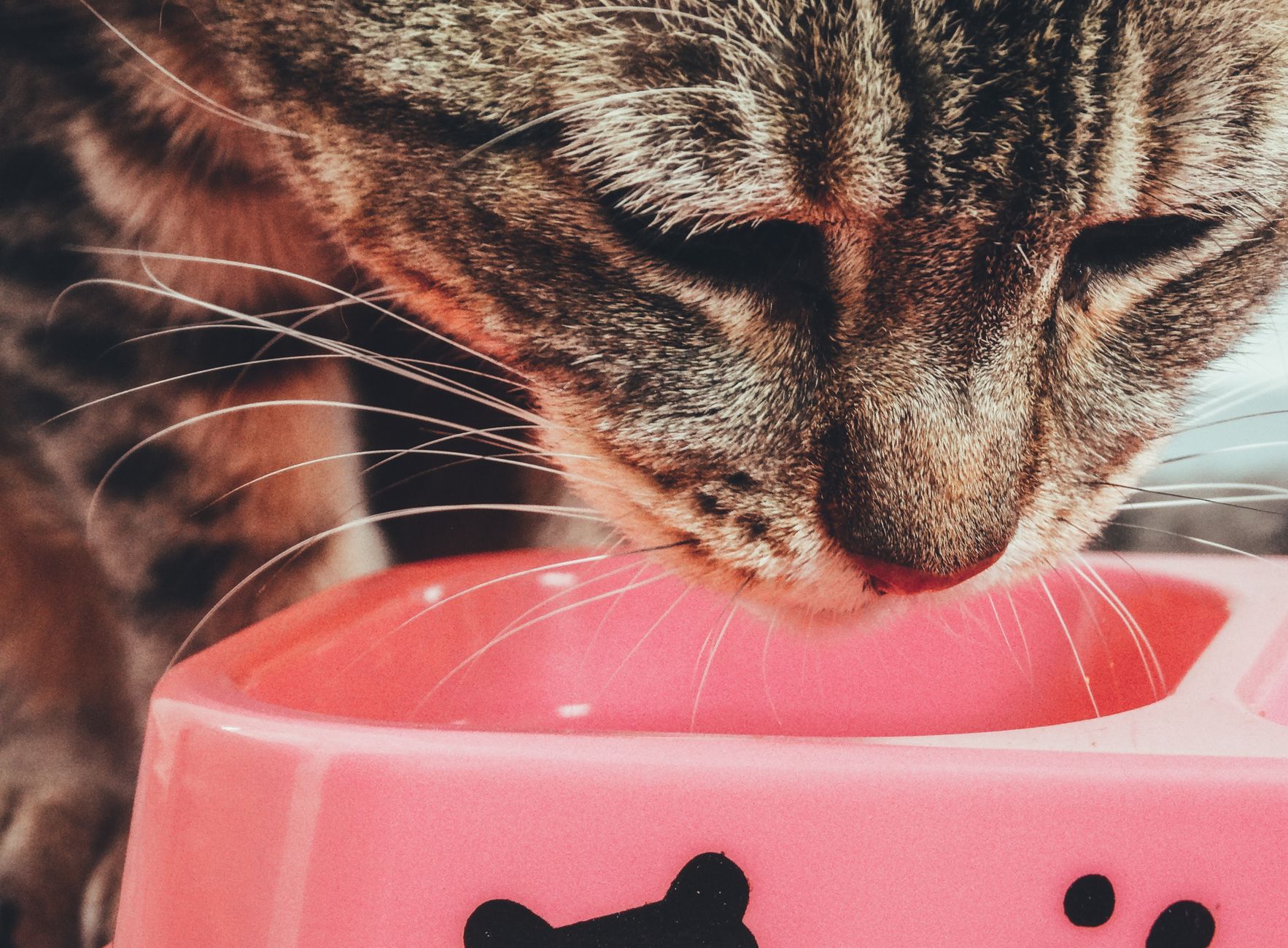
Some cats prefer shallow dishes because deep bowls may press against their whiskers. A wide, low-sided bowl can make eating more comfortable for certain cats.
Create a Calm Feeding Area
Place food away from loud appliances, heavy foot traffic, and litter boxes. Cats generally prefer eating in quiet locations where they feel secure.
Make Mealtime More Appealing Through Routine
Cats often respond well to predictable routines. Feeding at consistent times can help establish expectations and encourage better eating habits.
- Serve fresh portions rather than leaving wet food out for long periods.
- Remove uneaten food after an appropriate amount of time.
- Avoid constantly changing foods if your cat is already adjusting.
- Keep feeding times consistent.
Frequent changes may make some cats more suspicious of new foods rather than more interested.
Common Mistakes When Trying to Improve Wet Food Appeal
Trying too many changes at once can make it difficult to understand what your cat actually prefers.
- Adding too many toppers: Cats may learn to expect extras and refuse regular meals.
- Changing foods too quickly: Sudden diet changes may cause digestive issues.
- Serving large portions: Leftover wet food loses freshness and appeal.
- Ignoring health issues: A sudden loss of appetite can indicate a medical concern.
When Food Refusal May Require Veterinary Advice
A picky eating habit is different from a sudden change in appetite. If a cat that normally eats well suddenly refuses food, it may be a sign of an underlying problem.
Contacting a veterinarian is recommended if a cat:
- Stops eating completely
- Loses weight unexpectedly
- Shows signs of illness or discomfort
- Has vomiting, diarrhea, or unusual behavior
Food preferences are common in cats, but significant changes in eating patterns should not be ignored.
Finding the Right Approach for Your Cat
Making pâté wet cat food more appealing is usually a process of understanding your cat’s preferences. Some cats need a warmer meal, others prefer a different texture, and some simply need time to accept a new option.
Small adjustments, consistent routines, and patience are often more effective than constantly switching foods. The goal is to create a meal experience that feels familiar, comfortable, and enjoyable for your cat.