Dogs may have fur and natural protection against cold weather, but that does not mean they are immune to low temperatures. The level of cold a dog can safely tolerate depends on several factors, including breed, body size, coat type, age, health condition, and how long the dog is exposed to the environment.
Knowing when cold weather becomes dangerous can help owners prevent problems such as hypothermia, frostbite, and other cold-related health issues. A temperature that feels manageable for one dog may be unsafe for another.
There Is No Single Temperature That Is Safe for Every Dog
A dog’s ability to handle cold weather varies significantly. Large breeds with thick double coats are generally better adapted to colder conditions, while small dogs, short-haired breeds, and dogs with little body fat may become uncomfortable much sooner.
Factors that influence cold tolerance include:
- Breed: Dogs developed for cold climates often have thicker coats and better insulation.
- Size: Smaller dogs lose body heat faster because of their smaller body mass.
- Coat type: Thick, dense fur provides more protection than short or thin coats.
- Age: Puppies and older dogs may struggle to regulate body temperature effectively.
- Health: Dogs with medical conditions may be more vulnerable to cold exposure.
Signs Your Dog May Be Too Cold
Dogs often show physical and behavioral changes when they are uncomfortable in cold weather. Paying attention to these signals is important because prolonged exposure can become dangerous.
Possible signs that a dog is feeling too cold include:
- Shivering or trembling
- Lifting paws off the ground frequently
- Slowing down or refusing to continue walking
- Whining or appearing anxious
- Seeking warmth or trying to return indoors
- Becoming unusually tired or weak
A dog that appears uncomfortable should not be encouraged to stay outside longer. Behavioral changes are often the first warning that the body is struggling to maintain normal temperature.
When Cold Weather Becomes Dangerous
Extremely low temperatures create greater risks, especially when combined with wind, moisture, or long exposure times. Wet fur reduces a dog’s natural insulation, making it easier for body heat to escape.
| Condition | Potential Concern |
|---|---|
| Cold temperatures with strong wind | Wind can remove body heat faster and increase the risk of chilling. |
| Wet or snowy conditions | Moisture can reduce the insulating ability of a dog’s coat. |
| Extended outdoor exposure | Long periods in cold environments increase the chance of hypothermia. |
| Cold surfaces | Ice, snow, and frozen ground can contribute to discomfort and paw irritation. |
Dogs Most at Risk in Cold Weather
Some dogs require extra protection because their bodies are less equipped to handle low temperatures. Owners should be especially cautious with:
- Small breeds with limited body insulation
- Short-haired dogs
- Hairless breeds
- Senior dogs
- Young puppies
- Dogs recovering from illness or surgery
Even dogs that normally tolerate outdoor conditions may become vulnerable during periods of extreme cold or when their health changes.
How to Keep Dogs Safe During Cold Weather
Winter safety is not only about temperature. The goal is to reduce unnecessary exposure and provide protection when outdoor activity is needed.
- Keep outdoor activities shorter during very cold conditions.
- Dry your dog thoroughly if their coat becomes wet.
- Provide a warm, dry place where your dog can rest.
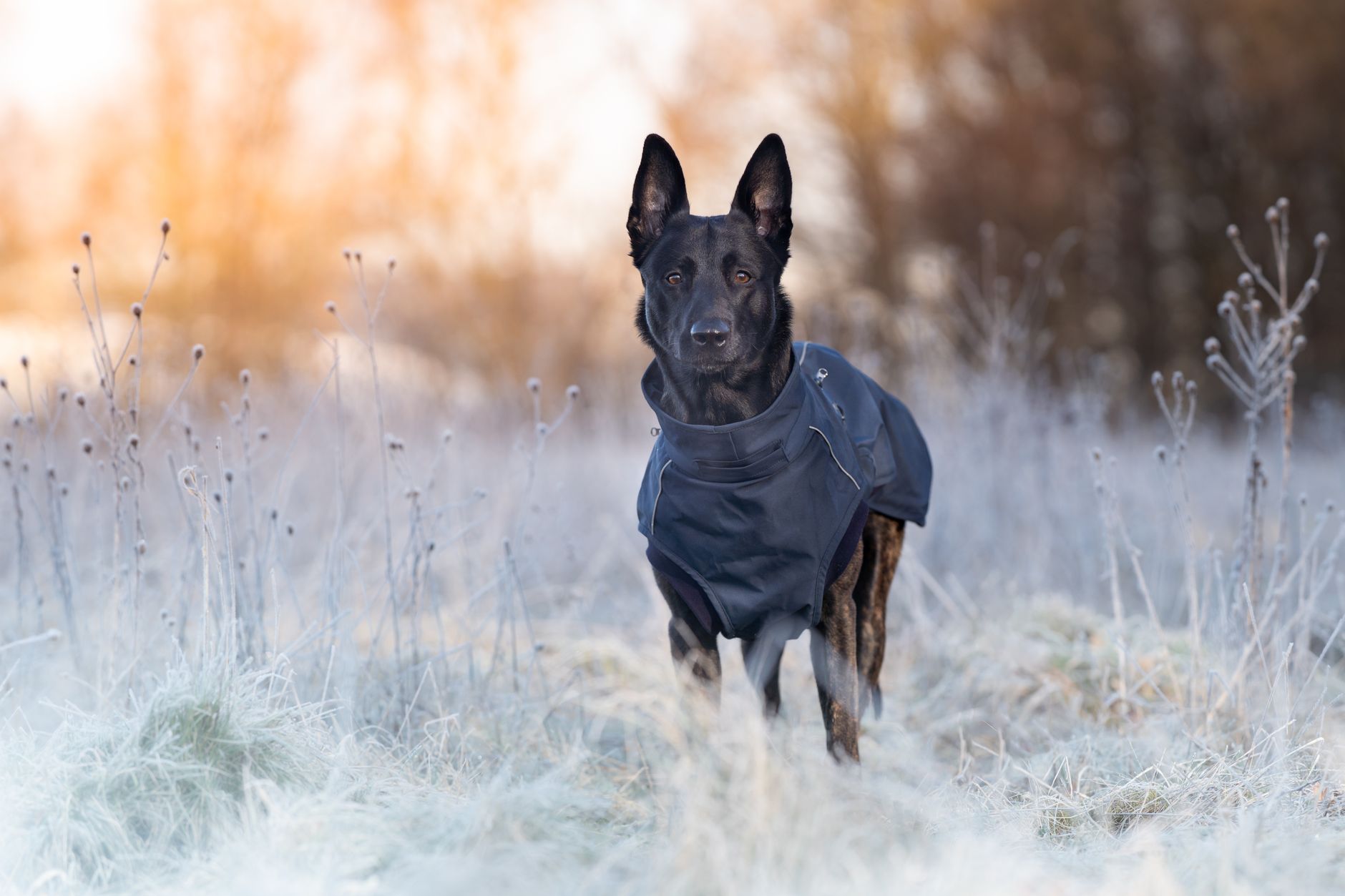
- Consider protective clothing for dogs that are sensitive to cold.
- Check paws after walks for ice, irritation, or signs of injury.
- Avoid leaving dogs outside unattended for long periods.
Dogs that spend time outdoors should always have access to proper shelter, protection from wind, and a way to escape extreme weather conditions.
Understanding Hypothermia in Dogs
Hypothermia occurs when a dog’s body temperature drops below a safe level. Early symptoms may include shaking and weakness, while more serious cases can involve confusion, difficulty moving, or loss of consciousness.
If a dog shows signs of severe cold exposure, it is important to move them to a warm environment and contact a veterinarian for guidance. Rapid warming methods should be used carefully because extreme temperature changes can create additional risks.
Cold Weather Safety Depends on the Individual Dog
The question of how cold is too cold for dogs cannot be answered by temperature alone. A healthy large dog with a thick coat may tolerate conditions that would be unsafe for a small short-haired dog.
The best approach is to understand your dog’s specific needs, monitor their behavior, and respond when they show signs of discomfort. Responsible cold-weather care means balancing exercise, protection, and awareness of your pet’s limits.