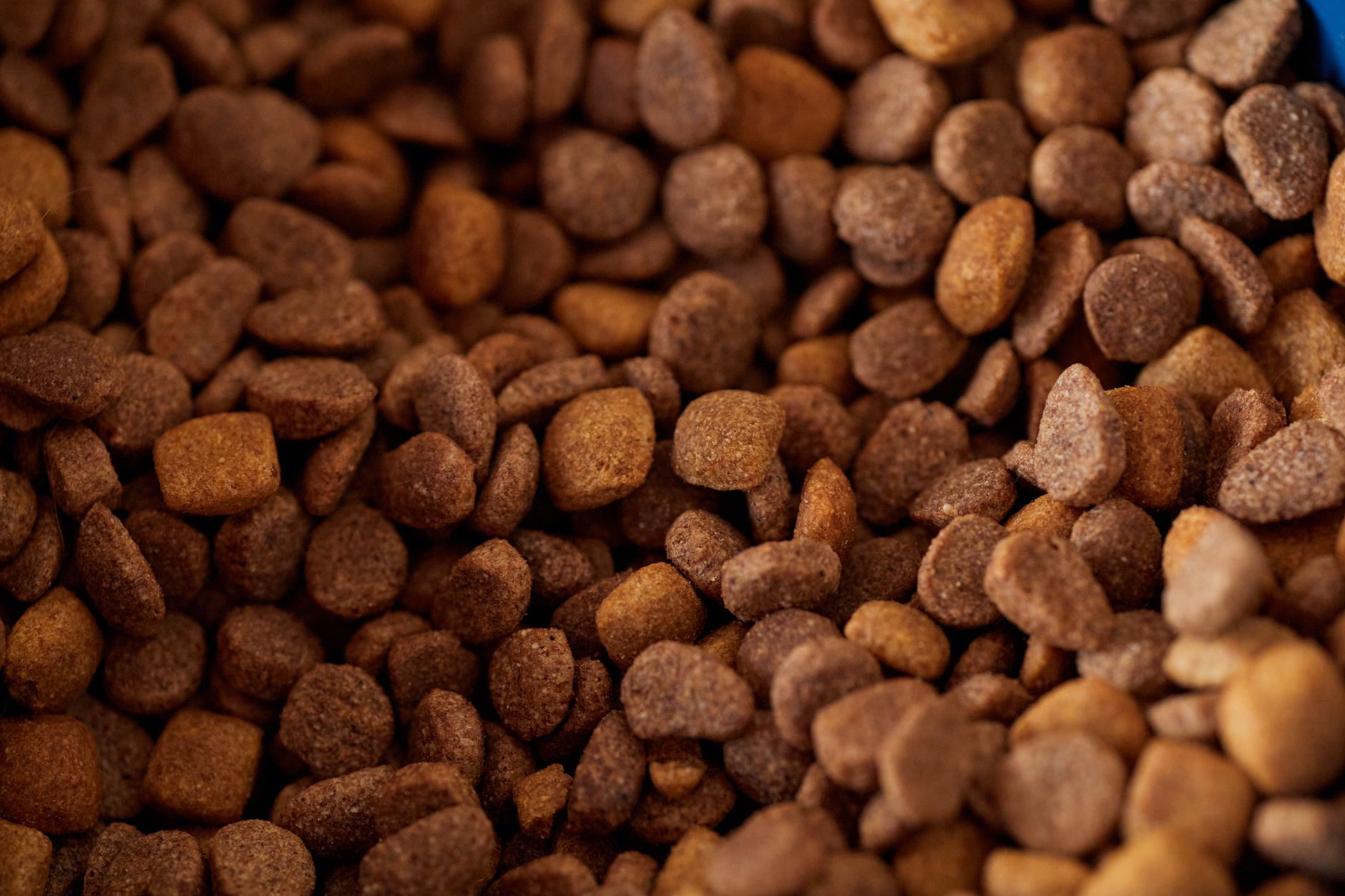
Choosing the right dog food is more complicated than selecting a product based only on packaging or marketing claims. Dogs have different nutritional needs from humans, and some ingredients that are harmless to people can be unsafe or unsuitable for dogs.
Understanding which ingredients may cause problems helps owners make better feeding decisions. However, the impact of any ingredient can depend on the dog’s size, age, health condition, and the amount consumed.
Not Every Human Food Ingredient Belongs in a Dog’s Diet
Dogs have adapted to eat a variety of foods, but their digestive systems are not identical to ours. Some foods commonly found in human meals can create health risks when included in dog food or given as treats.
| Ingredient or Food | Why It Can Be a Concern |
|---|---|
| Chocolate | Contains compounds that dogs cannot process effectively and may become dangerous when consumed in sufficient amounts. |
| Onions and garlic | Can affect a dog’s red blood cells and may contribute to health problems. |
| Grapes and raisins | Associated with potential kidney problems in some dogs. |
| Alcohol | Can be highly toxic because dogs are much more sensitive to alcohol than humans. |
| Certain artificial sweeteners | Some sweeteners, such as xylitol, can cause serious health effects in dogs. |
Ingredients That May Not Be Ideal in Commercial Dog Food
Commercial dog food is formulated to meet nutritional requirements, but product quality can vary. Some ingredients are not necessarily poisonous but may be less beneficial depending on the dog’s needs.
- Excessive fillers: Ingredients used mainly to add volume may provide limited nutritional value when they replace more beneficial nutrients.
- Artificial additives: Some preservatives, colors, and flavor enhancers may be unnecessary for certain dogs.
- Low-quality protein sources: Dogs need adequate protein, and the source and digestibility of that protein matter.
- Excessive fat or calories: Can contribute to weight gain, especially in less active dogs.
- High sodium levels: May not be suitable for dogs with certain health conditions.
Why Ingredient Labels Matter
Reading the ingredient list allows owners to understand what makes up their dog’s diet. Ingredients are generally listed by weight before processing, meaning the first few items make up a significant portion of the food.
A balanced dog food should provide appropriate levels of protein, fats, carbohydrates, vitamins, and minerals. The goal is not simply to avoid long ingredient lists but to understand whether the overall formula meets the dog’s nutritional requirements.
Be Careful With Homemade Diets and Table Scraps
Some owners prepare homemade meals for their dogs because they want more control over ingredients. While this can work when properly planned, an unbalanced homemade diet may lack important nutrients.
Feeding leftovers from human meals can also create problems because many foods prepared for people contain salt, spices, sauces, or ingredients that are unsuitable for dogs.
Common Signs That a Food May Not Suit Your Dog
A dog’s reaction to food can vary. Some dogs tolerate certain ingredients well, while others may experience digestive or allergic issues.
- Vomiting or diarrhea after eating.
- Changes in appetite.
- Skin irritation or excessive scratching.
- Repeated ear problems.
- Changes in energy level or weight.
These signs do not always mean a specific ingredient is responsible. Other medical conditions can create similar symptoms, so ongoing problems should be discussed with a veterinarian.
Ingredients Are Only One Part of Dog Nutrition
A healthy diet depends on more than avoiding certain ingredients. A dog’s age, breed, activity level, body condition, and medical history all influence nutritional needs.
Puppies require different nutrition from adult dogs, while senior dogs may need adjustments based on changing health conditions. A food that works well for one dog may not be appropriate for another.
How to Choose Safer Dog Food
- Check that the food is designed for your dog’s life stage, such as puppy, adult, or senior.
- Review the ingredient list and nutritional information.
- Avoid products containing known toxic ingredients.
- Consider your dog’s specific health needs and sensitivities.
- Consult a veterinarian when changing diets or managing health issues.
Making Better Feeding Decisions for Your Dog
The safest approach to dog nutrition is not to focus on a single ingredient but to evaluate the entire diet. Avoiding harmful foods, choosing nutritionally complete formulas, and monitoring your dog’s response to food are key parts of responsible pet care.
Understanding what goes into your dog’s bowl helps you provide meals that support long-term health while reducing the risk of preventable nutrition-related problems.