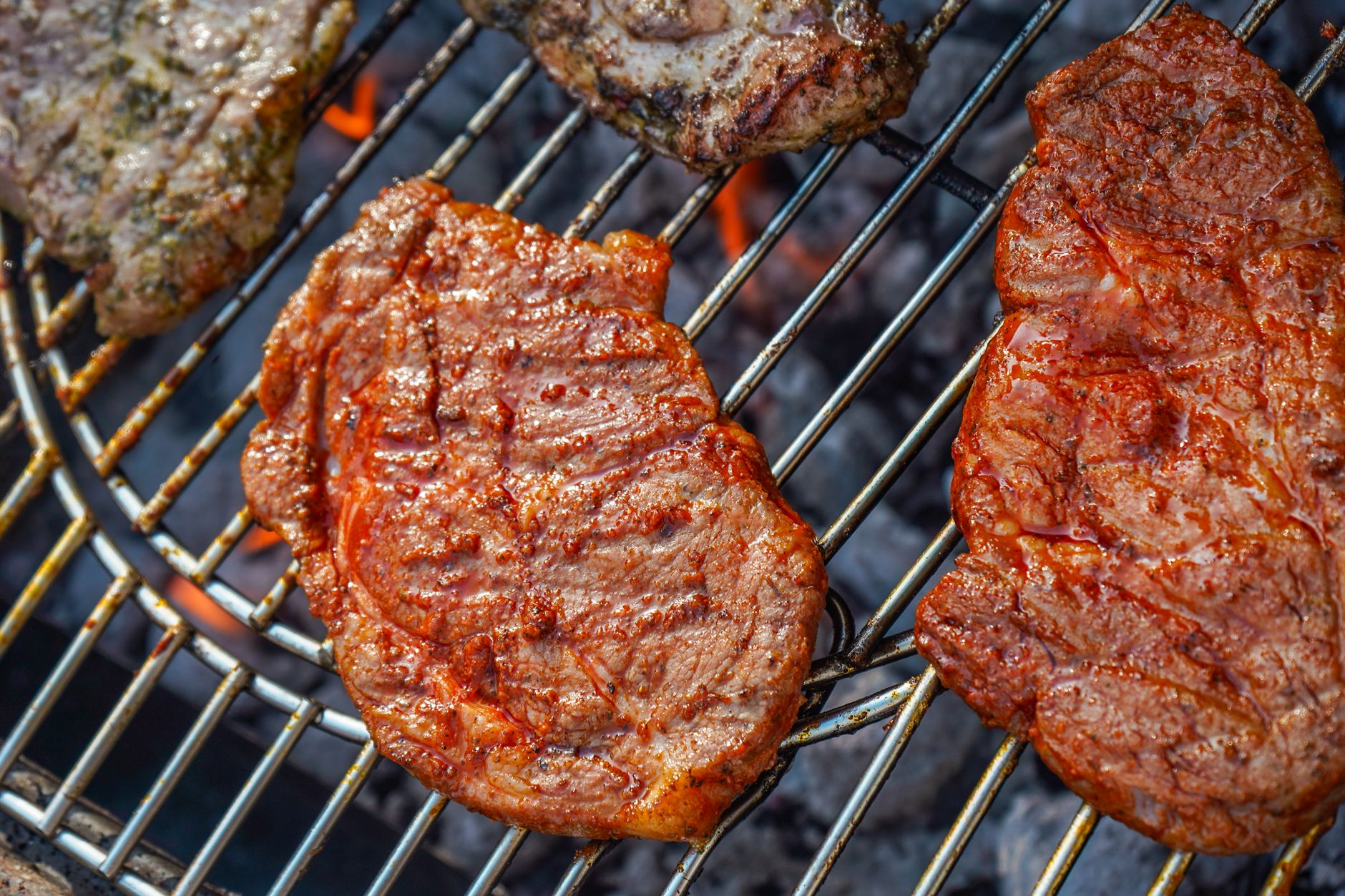
The smell of a freshly cooked steak can be difficult for any dog to ignore, and many owners wonder whether sharing a bite is safe. The answer depends on how the steak is prepared, what parts are offered, and how often it is given.
Plain steak can provide protein and nutrients that dogs need, but a typical human-style steak meal often contains ingredients and preparation methods that are not suitable for pets. Understanding the difference between plain cooked meat and a seasoned dinner is important before offering it as a treat.
Plain Cooked Steak Can Be Safe for Dogs in Moderation
Beef is a source of animal protein, and properly prepared steak can be an occasional treat for many healthy dogs. Dogs naturally require protein in their diet, which supports muscle maintenance and overall body function.
However, steak should not replace a complete and balanced dog food plan. While meat contains valuable nutrients, dogs need a combination of vitamins, minerals, and other nutrients that may not be provided by steak alone.
The Way Steak Is Prepared Makes the Biggest Difference
A small piece of plain steak is very different from the steak commonly served at the dinner table. Many human recipes include ingredients that can be harmful to dogs.
| Steak Preparation | Consideration for Dogs |
|---|---|
| Plain cooked steak | May be offered in small amounts if prepared without harmful ingredients. |
| Steak with seasoning | May contain ingredients such as garlic, onion, or excessive salt that are unsafe for dogs. |
| Fatty cuts or visible fat | High fat intake may contribute to digestive problems. |
| Steak with sauces or marinades | Added ingredients may create unnecessary health risks. |
Remove Bones and Avoid Fatty Pieces
Steak bones may seem like a natural treat, but cooked bones can become brittle and break into sharp pieces. These fragments can create choking hazards or potentially damage the digestive system.
Excess fat can also be problematic. Dogs that consume large amounts of fatty foods may experience stomach upset, and some dogs may be at risk of more serious digestive issues related to high-fat meals.
Potential Benefits of Giving Steak as a Treat
When prepared correctly, small amounts of steak can provide nutritional benefits, including:
- Protein: Helps support muscle development and maintenance.
- Iron: Plays a role in healthy blood function.
- Other nutrients: Beef contains various nutrients that contribute to normal body functions.
These benefits do not mean that more steak is better. Treats should remain a small part of a dog’s overall calorie intake.
How to Safely Offer Steak to a Dog
If you choose to share steak with your dog, preparation and portion control are essential.
- Choose plain steak without seasoning, sauces, or marinades.
- Remove bones and excess fat.
- Cut the meat into small pieces appropriate for your dog’s size.
- Offer it occasionally rather than as a daily meal replacement.
- Monitor your dog for any digestive reaction after trying a new food.
Signs That Steak Did Not Agree With Your Dog
Some dogs tolerate new foods well, while others have sensitive digestive systems. After eating steak, watch for signs such as:
- Vomiting.
- Diarrhea.
- Reduced appetite.
- Abdominal discomfort.
- Unusual tiredness.
If symptoms are severe, persistent, or accompanied by other concerning changes, veterinary advice may be needed.
Dogs With Certain Health Conditions May Need Extra Caution
Not every dog should receive steak, even as an occasional snack. Dogs with weight concerns, digestive sensitivities, or conditions requiring controlled diets may need different treat choices.
A veterinarian can provide better guidance based on a dog’s age, health status, and nutritional needs.
The Safer Approach to Sharing Human Food
Sharing a small piece of plain steak can be acceptable for many dogs, but the details matter. A seasoned restaurant-style steak or a fatty leftover piece is not the same as a carefully prepared treat.
The safest approach is to treat steak as an occasional reward rather than a regular part of a dog’s diet. Good nutrition depends on consistency, balance, and choosing foods that match a dog’s specific needs.