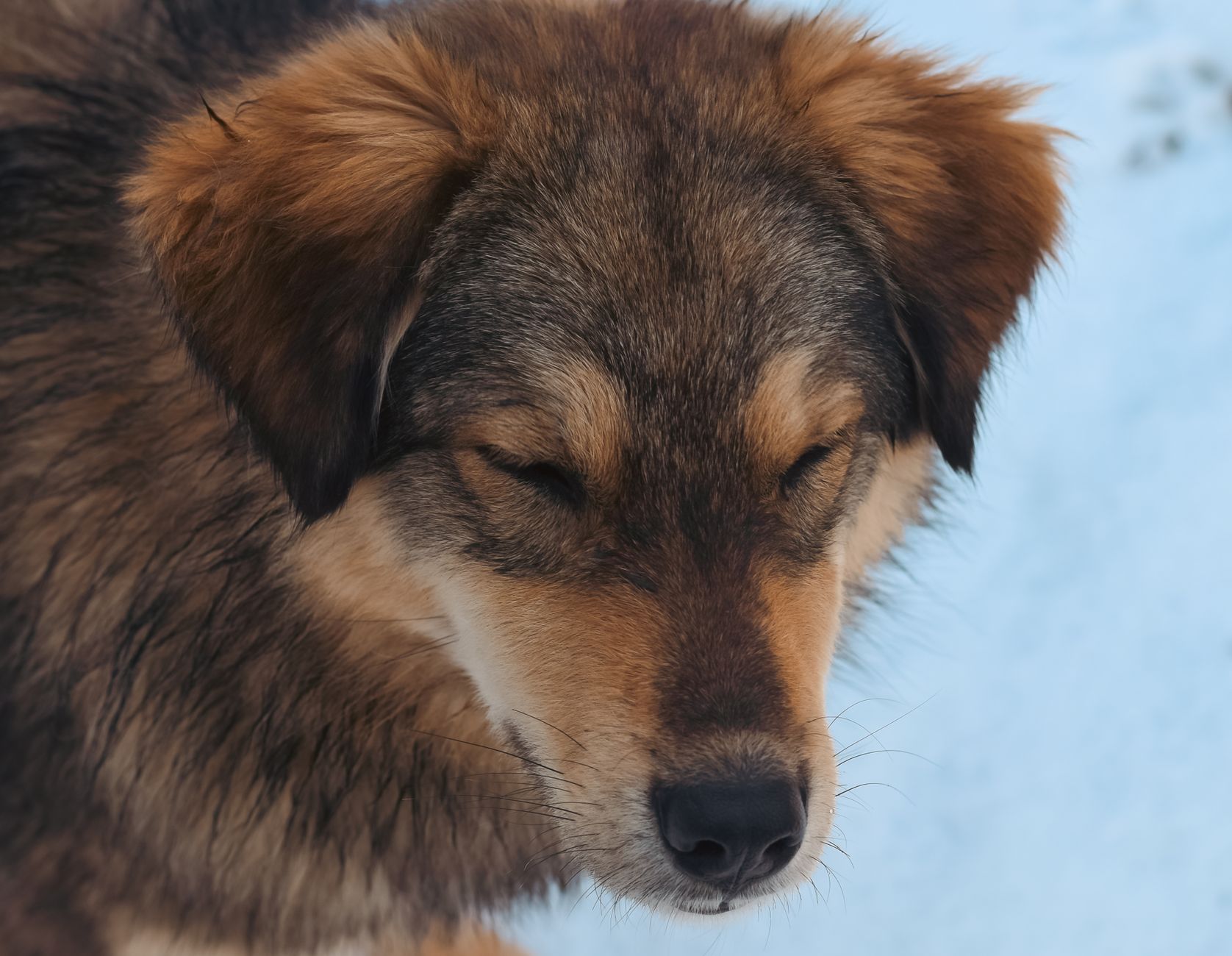
When a dog starts sneezing, coughing, or showing signs of congestion, many owners wonder whether their pet has caught the same cold that affects humans. Dogs can experience symptoms that look similar to a human cold, but the causes are usually different.
While dogs can develop respiratory infections, most common human cold viruses do not infect dogs. Understanding the difference between a mild respiratory issue and a condition requiring veterinary care is important for protecting your pet’s health.
Dogs Can Get Cold-Like Symptoms, But Not Usually From Human Colds
A typical human cold is commonly caused by viruses that are adapted to infect people. These viruses generally do not spread between humans and dogs because different species have different biological systems and immune responses.
If your dog sneezes after you have been sick, it does not necessarily mean your cold has passed to them. Dogs usually become sick from pathogens that specifically affect canine respiratory systems.
Common Causes of Respiratory Problems in Dogs
Several conditions can cause symptoms that resemble a cold. Some are mild and temporary, while others may require medical treatment.
| Condition | Possible Symptoms |
|---|---|
| Canine respiratory infections | Coughing, sneezing, nasal discharge, and reduced energy. |
| Kennel cough | A persistent, dry cough that can spread between dogs. |
| Allergies or environmental irritation | Sneezing, watery eyes, and nasal irritation. |
| More serious illnesses | Breathing difficulties, fever, weakness, or worsening symptoms. |
Signs That Your Dog May Be Sick
Dogs cannot explain how they feel, so owners need to watch for behavioral and physical changes. Symptoms that may indicate a respiratory problem include:
- Frequent sneezing.
- Coughing that continues for several days.
- Runny nose or unusual nasal discharge.
- Watery eyes.
- Lower energy levels.
- Reduced appetite.
A single sneeze or occasional cough is not always a sign of illness. However, repeated symptoms or changes in normal behavior deserve closer attention.
Can Humans Give Dogs Other Illnesses?
Although ordinary human colds are unlikely to infect dogs, some diseases can move between humans and animals. These infections are known as zoonotic diseases.
The possibility of transmission depends on the specific pathogen involved. General hygiene practices, such as washing hands and avoiding unnecessary close contact when sick, can help reduce health risks for both people and pets.
How to Help a Dog With Mild Respiratory Symptoms
If a dog has mild cold-like symptoms but remains active and continues eating and drinking normally, supportive care may help while monitoring the situation.
- Provide access to clean water.
- Allow plenty of rest.
- Keep the environment free from smoke and strong irritants.
- Avoid exposing the dog to other animals if an infection is suspected.
- Maintain a comfortable indoor temperature.
Human cold medications should not be given to dogs unless specifically recommended by a veterinarian. Some ingredients that are safe for people can be harmful to pets.
When a Veterinarian Should Be Contacted
Respiratory symptoms can sometimes indicate a more serious problem. Veterinary advice is recommended if your dog experiences:
- Difficulty breathing.
- A severe or persistent cough.
- Loss of appetite lasting beyond a short period.
- Extreme tiredness or weakness.
- Fever or worsening symptoms.
- Changes in gum color or breathing effort.
Puppies, senior dogs, and dogs with existing health conditions may require quicker attention because their immune systems may not handle illness as effectively.
The Difference Between a Human Cold and a Dog Respiratory Infection
The symptoms may appear similar, but the underlying causes are often different. A dog that sneezes or coughs is not necessarily catching the same cold as its owner. Instead, the symptoms may come from canine-specific infections, allergies, or environmental factors.
Paying attention to your dog’s overall condition, not just one symptom, is the best way to determine whether simple observation is enough or professional care is needed.