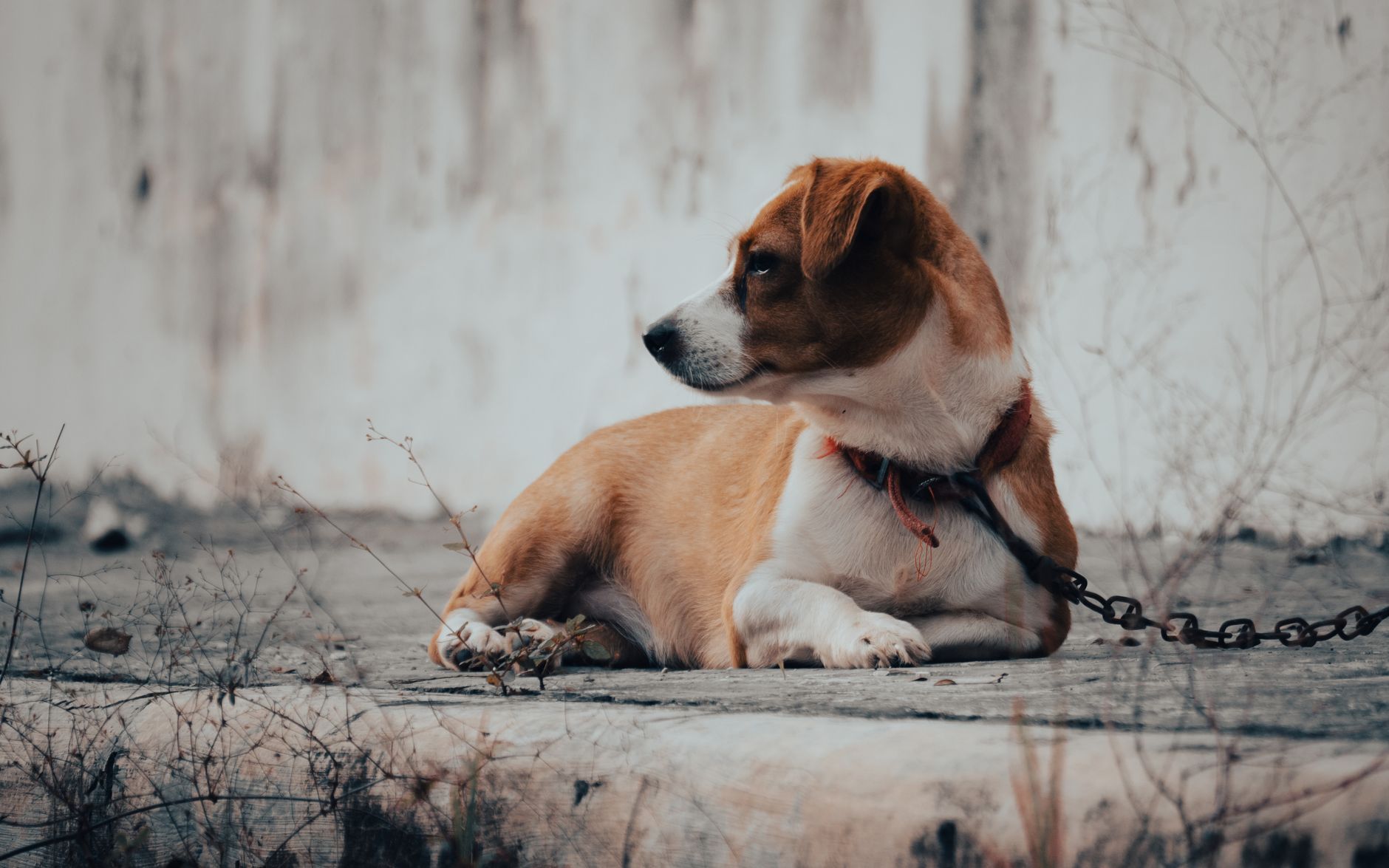
A dog that suddenly refuses food can be concerning, especially when its behavior appears completely normal. If your dog is still active, drinking water, playing, and interacting as usual, the situation may not always indicate an emergency. However, changes in appetite should still be monitored because eating habits can provide important clues about a dog’s health.
Dogs may skip meals for many reasons, ranging from temporary changes in routine to underlying medical issues. Understanding the possible causes can help owners decide when home observation is reasonable and when veterinary advice is needed.
Common Reasons a Healthy-Looking Dog May Refuse Food
A temporary loss of appetite does not always mean a dog is seriously ill. Some dogs stop eating because something in their environment, routine, or diet has changed.
Changes in Food or Feeding Routine
Dogs can be sensitive to changes in their meals. Switching brands, changing flavors, altering feeding schedules, or introducing new treats may cause some dogs to hesitate before eating.
Even small differences in smell, texture, or ingredients can affect whether a dog finds its food appealing. Some dogs may eventually adjust, while others may continue refusing a new diet.
Stress or Environmental Changes
Dogs can experience appetite changes when their surroundings change. Moving homes, new family members, unfamiliar visitors, loud noises, or changes in daily routines can temporarily affect eating behavior.
A dog may still appear energetic while experiencing mild stress, but reduced interest in food can be an early sign that something feels different.
Too Many Treats or Extra Food
Some dogs refuse regular meals because they have already consumed enough calories from treats, table scraps, or snacks. High-value foods can make normal meals seem less appealing.
Maintaining consistent feeding habits helps prevent dogs from becoming selective about their food choices.
Medical Causes That Can Affect Appetite
A dog that is acting normal can still have an underlying health issue. Some medical conditions begin with subtle symptoms, including reduced interest in food.
| Possible Cause | How It May Affect Eating |
|---|---|
| Dental problems | Pain from teeth or gums may make chewing uncomfortable. |
| Digestive upset | Nausea, stomach discomfort, or changes in digestion can reduce appetite. |
| Mild illness | Some infections or health problems may initially appear only as appetite changes. |
| Pain or discomfort | Dogs may eat less when they are experiencing physical discomfort. |
How Long Can a Dog Go Without Eating?
The amount of time a dog can safely go without food depends on factors such as age, size, health condition, and individual circumstances. A healthy adult dog that skips one meal may not be immediately concerning if it continues drinking water and behaving normally.
However, prolonged refusal to eat should not be ignored. Puppies, senior dogs, and dogs with existing medical conditions may require attention sooner because they have different nutritional and health needs.
What You Can Try at Home
If your dog is otherwise behaving normally, there are several simple steps that may encourage eating while you monitor the situation.
- Check that the food has not expired or changed in smell.
- Keep feeding times consistent and avoid excessive treats.
- Provide food in a quiet area without distractions.
- Ensure clean drinking water is always available.
- Observe whether your dog shows interest in other foods but avoids its regular meal.
Avoid repeatedly changing foods or offering many alternatives, as this can accidentally reinforce picky eating behavior in some dogs.
Signs That Require Veterinary Attention
A missed meal alone may not always be serious, but appetite loss combined with other symptoms deserves closer attention.
- Repeated vomiting or diarrhea
- Extreme tiredness or unusual behavior
- Signs of pain or discomfort
- Difficulty drinking or keeping water down
- Sudden weight loss
- Refusing food for an extended period
Why Monitoring Your Dog’s Eating Habits Matters
Appetite is one of the simplest health indicators owners can observe at home. A dog that normally eats well but suddenly stops may be communicating that something has changed.
While many cases are caused by temporary factors such as stress or food preferences, persistent appetite changes should be evaluated carefully. Paying attention to eating patterns, behavior, and other symptoms helps owners respond appropriately and support their dog’s health.