Dogs are often described as loyal animals, but this behavior is not simply a result of personality or training. Their strong connection with humans comes from thousands of years of evolution, domestication, communication, and social adaptation.
From following their owners around the house to showing excitement when someone returns home, dogs display behaviors that humans interpret as loyalty. Understanding why dogs behave this way reveals how deeply their history is connected with human society.
Dogs Evolved to Cooperate With Humans
The relationship between dogs and humans began when ancient wolf populations started living near human communities. Over generations, wolves that were more comfortable around people gained advantages by accessing food sources and protection.
Humans also benefited from this relationship. Early dogs could help with tasks such as guarding, hunting, and alerting people to potential threats. Animals that were better at cooperating with humans were more likely to remain part of human groups.
This long process of domestication influenced dogs to become highly social animals that are naturally motivated to form relationships with people.
Dogs Are Built for Social Connection
One major reason dogs appear loyal is that they are highly social by nature. Like their wolf ancestors, dogs depend on relationships within their groups, but domestication changed how they interact with humans.
Dogs can recognize human emotions, respond to gestures, and adjust their behavior based on human reactions. Their ability to understand communication cues, such as pointing or changes in voice tone, makes cooperation with people easier.
- Dogs often seek human attention because social interaction is rewarding for them.
- They can learn routines and associate people with safety, food, and positive experiences.
- They are capable of forming strong attachments with individual humans.
The Human-Dog Bond Is Reinforced Through Daily Interaction
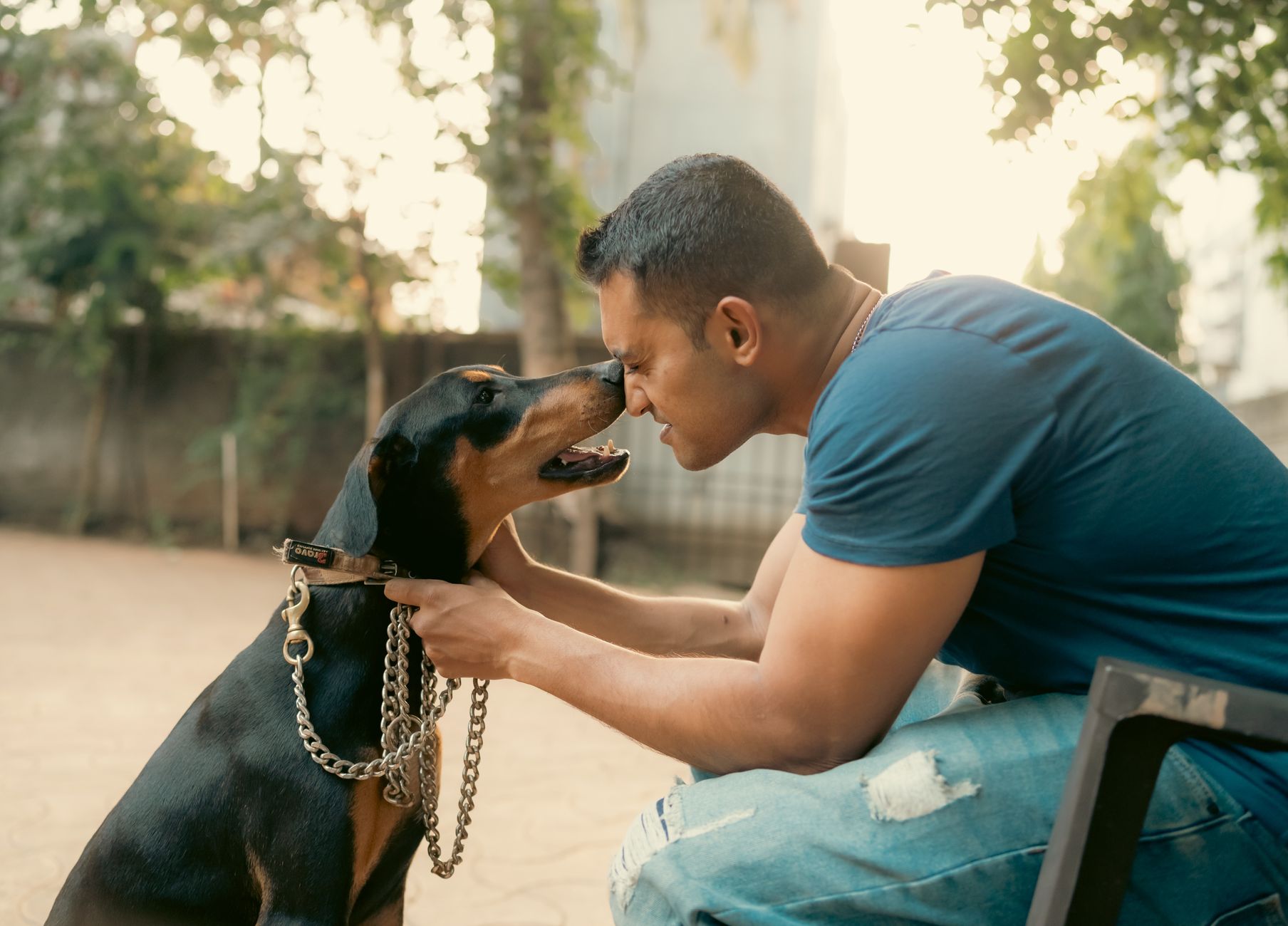
A dog’s loyalty is also shaped by everyday experiences. Feeding, playing, training, and caring for a dog consistently create trust over time.
Dogs do not understand loyalty in the same way humans do. Instead, their attachment develops through familiarity, positive reinforcement, and a sense of security with the people around them.
A dog that receives consistent care is more likely to seek interaction and remain closely connected with its owner because that relationship has become meaningful and predictable.
Why Dogs Follow Their Owners Everywhere
Many dogs follow their owners from room to room, wait near doors, or prefer staying close to familiar people. This behavior can be linked to their social instincts.
In group-living animals, staying close to companions provides benefits such as protection and cooperation. Domestic dogs may apply similar instincts to their human family.
However, constant attachment is not always a sign of healthy bonding. Some dogs may become overly dependent and develop separation-related problems when left alone for long periods.
Breed and Individual Personality Also Influence Loyalty
While all dogs have the ability to bond with humans, breed history and individual temperament can affect how loyalty is expressed.
| Factor | How It Can Influence Behavior |
|---|---|
| Breed purpose | Dogs developed for companionship or working closely with humans may show stronger tendencies toward interaction. |
| Early socialization | Positive experiences during development can improve confidence and trust. |
| Training and care | Consistent communication helps strengthen the relationship between dog and owner. |
| Individual personality | Each dog has unique preferences and levels of independence. |
Do Dogs Love Humans or Simply Depend on Them?
Scientists continue studying the emotional lives of dogs, but research suggests that dogs are capable of forming meaningful social bonds with humans. Their attachment involves more than basic dependence for food and shelter.
Dogs seek companionship, respond to human emotions, and often show behaviors associated with attachment. At the same time, their relationship with people is influenced by practical needs and learned experiences.
Why Loyalty Looks Different From Dog to Dog
Not every loyal dog will behave the same way. Some dogs show attachment by staying close, while others express it through excitement during greetings, checking on their owners, or calmly resting nearby.
A quieter dog is not necessarily less attached, and an independent dog may still have a strong bond with its owner. Understanding individual behavior is important because loyalty is expressed differently depending on personality and environment.
A Relationship Built Over Thousands of Years
Dogs are considered loyal because evolution shaped them to cooperate with humans, while daily interactions continue strengthening their relationships with people. Their behavior reflects a unique partnership that developed over thousands of years.
The strongest human-dog bonds come from trust, consistency, and mutual care. Loyalty is not simply something dogs are born with; it is a relationship that grows through time and experience.