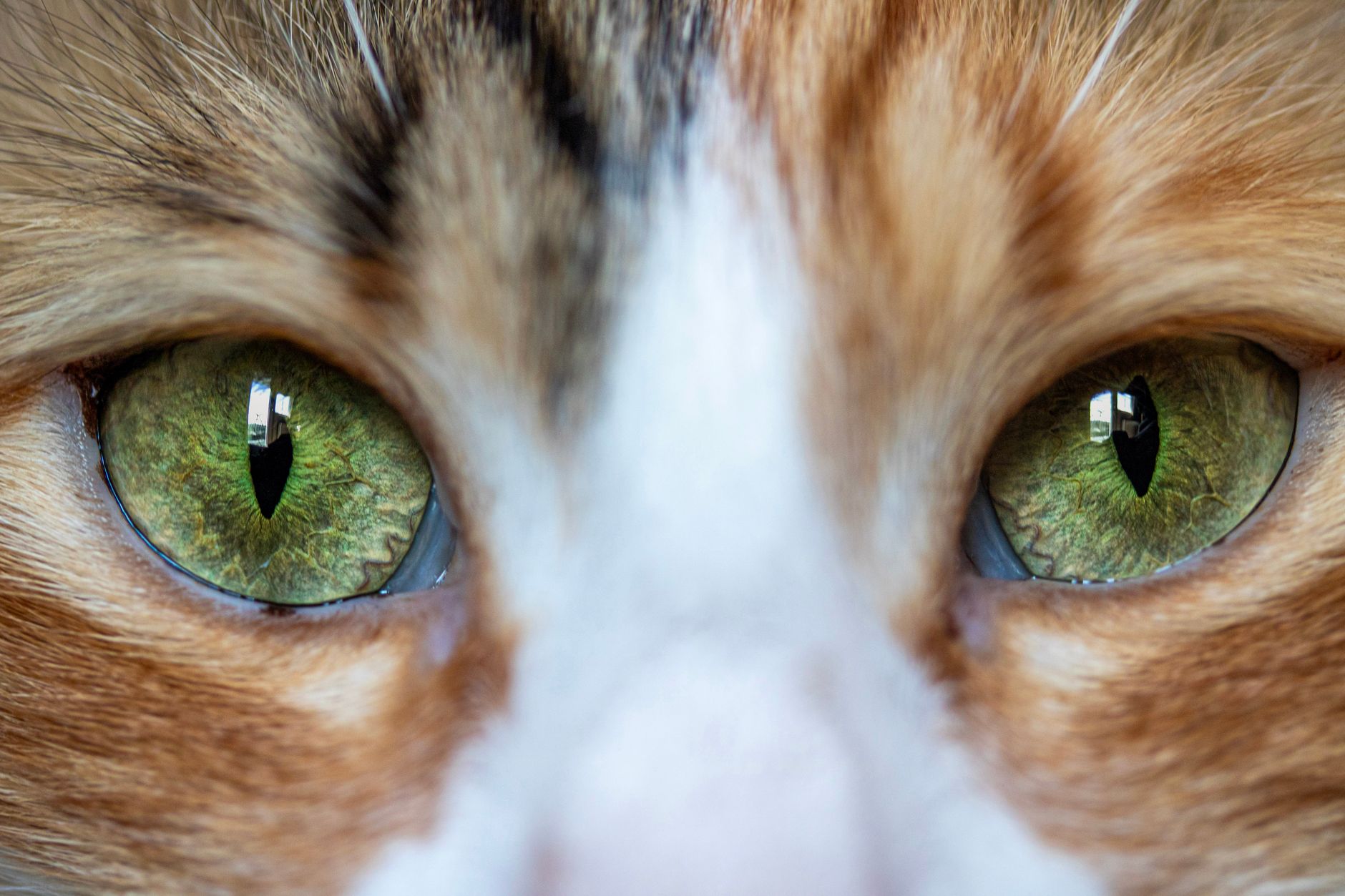
You look at your cat—and their eyes look huge.
Black circles filling most of the eye.
Wide, intense, almost glowing.
From a pawrent’s point of view, dilated pupils can feel alarming. Are they scared? Excited? Sick?
The simple answer is this:
Big pupils in cats are usually a normal response to light, emotion, or stimulation—but sometimes they can signal a medical issue.
Knowing the difference matters.
The Quick Pawrent Answer (Right Away)
A cat’s pupils get big because of:
-
Low light
-
Excitement or play
-
Fear or stress
-
Heightened focus
-
Pain or medical conditions (less common)
Context tells you which one applies.
How Cat Pupils Work (Simple Biology)
Pupils control how much light enters the eye.
In cats:
-
Pupils dilate (get big) to let in more light
-
Pupils constrict (get small) in bright conditions
Cats evolved excellent night vision, so their pupils change dramatically.
Low Light: The Most Common Reason
This is the most frequent and least concerning cause.
In dim lighting:
-
Pupils expand
-
Vision improves
-
Eyes appear almost fully black
If your cat’s pupils shrink again in bright light, this is normal.
Excitement and Play
Big pupils often appear during:
-
Playtime
-
Zoomies
-
Hunting-style games
Dilated pupils here signal:
-
High arousal
-
Focus
-
Anticipation
It’s the “locked-in” look before action.
Fear, Stress, or Anxiety
Stress can also cause pupil dilation.
Common triggers include:
-
Loud noises
-
New environments
-
Vet visits
-
Unfamiliar animals
In these cases, dilated pupils usually come with:
-
Flattened ears
-
Tense posture
-
Tail flicking or puffing
The eyes reflect emotional overload.
Heightened Focus and Hunting Mode
Cats also dilate pupils when:
-
Watching birds
-
Stalking toys
-
Fixating on movement
This enhances visual processing and reaction speed.
Big pupils don’t always mean emotion—they can mean concentration.
Pain and Discomfort
Pain can cause persistent dilation.
Possible signs include:
-
Hiding
-
Reduced appetite
-
Vocalization
-
Sensitivity to touch
If pupils are dilated without environmental triggers, pain should be considered.
Medical Conditions Linked to Dilated Pupils
While less common, medical causes exist.
These may include:
-
High blood pressure (hypertension)
-
Neurological conditions
-
Eye trauma or disease
-
Toxin exposure
Medical dilation is often:
-
Persistent
-
Uneven
-
Accompanied by other symptoms
This warrants veterinary attention.
One Pupil Bigger Than the Other (Anisocoria)
Unequal pupils are not normal.
Possible causes:
-
Eye injury
-
Inflammation
-
Neurological issues
This is always a reason to call your vet.
Dilated Pupils After Medication
Some medications cause pupil dilation.
Examples include:
-
Certain pain medications
-
Eye drops
-
Sedatives
If this occurs after treatment, ask your vet if it’s expected.
Kittens vs Adult Cats
Kittens often have:
-
More dramatic pupil changes
-
Higher emotional reactivity
Their nervous systems are still developing, making dilation more noticeable.
Senior Cats and Pupil Changes
In older cats, dilation may relate to:
-
Vision loss
-
Cognitive changes
-
Blood pressure issues
Sudden changes in seniors should always be evaluated.
Indoor vs Outdoor Stimuli
Indoor cats may dilate pupils due to:
-
Sudden noises
-
Reflections
-
Shadows
Outdoor cats respond to:
-
Movement
-
Threats
-
Environmental changes
The brain reacts before the body does.
When Big Pupils Are Completely Normal
Big pupils are usually normal when:
-
Lighting is dim
-
Your cat is playing
-
Your cat is alert and responsive
-
Pupils change with light
These are healthy responses.
When to Worry
Contact a vet if:
-
Pupils stay dilated constantly
-
Only one pupil is dilated
-
Your cat seems disoriented
-
Other symptoms are present
Trust patterns—not isolated moments.
How Pawrents Can Observe Safely
You can:
-
Turn on a light to check response
-
Observe behavior changes
-
Look for symmetry
Avoid shining bright lights directly into the eyes.
Why Cats’ Eyes Feel So Expressive
Cats communicate emotion through:
-
Eye shape
-
Pupil size
-
Blink rate
Pupils are a visual signal, not just a biological reflex.
Pawrent Perspective: The Look That Means Everything
From a pawrent’s POV, big pupils can look:
-
Intense
-
Adorable
-
Alarming
But once you understand the signals, the fear fades.
Final Pawrent Perspective: Why Are My Cat’s Pupils So Big?
From a pawrent’s point of view:
-
Big pupils are usually a normal response to light or emotion
-
Excitement and focus commonly cause dilation
-
Stress and fear can temporarily widen pupils
-
Persistent or uneven dilation needs veterinary care
Your cat’s eyes are reacting to their world—not trying to worry you.
And now, you know how to tell the difference.